In this comprehensive guide, we delve into essential tips for effective heating repairs. Whether you’re a novice or seasoned in DIY repairs, understanding key aspects about your heating system can save time and money. The following sections address the most common queries homeowners have when dealing with heating repairs.
How Can I Troubleshoot Common Heating Problems?
Identifying Common Issues
One of the first steps in troubleshooting heating problems is being able to effectively identify them. Issues such as cold spots or uneven heating may often be linked to more visible problems like clogged filters or malfunctioning thermostats.
Recognizing these indicators early can prevent minor issues from escalating into larger, more costly repairs. Additionally, it is crucial to periodically inspect your system to ensure that parts like the blower motor and ignition control are functioning properly.
Using a systematic approach to identify issues can streamline the process. Keeping track of unusual noises or performance inconsistencies in a maintenance log can also be beneficial for diagnosis.
Basic DIY Solutions
Simple DIY solutions such as cleaning or replacing air filters can remedy various common heating issues. Ensuring vents and ducts are not obstructed allows for more efficient distribution of heat throughout your home.
Thermostat calibration can be another straightforward solution to addressing temperature inconsistencies. A well-calibrated thermostat ensures that your heating system operates according to the desired settings, thus improving energy efficiency.
However, before beginning any DIY repair, it’s vital to switch off the power supply to the heating unit. This ensures your safety while preventing possible electrical hazards.
What Are the Necessary Tools for Heating Repairs?
Essential Tools List
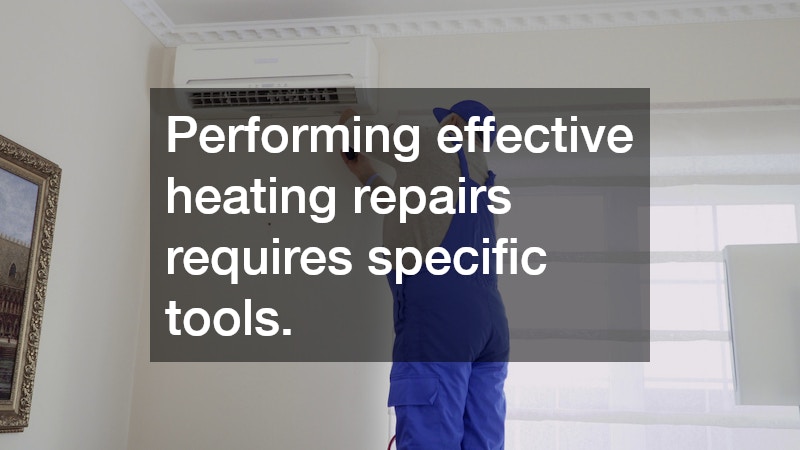
Performing effective heating repairs requires specific tools, such as a multimeter for electrical diagnostics and a set of screwdrivers for accessing system components. Pliers and wrenches are also essential for manipulating various parts securely.
With the right tools at your disposal, not only can you handle routine maintenance, but you can also address unexpected repairs as needed. Additionally, having a high-quality flashlight is crucial for inspecting poorly lit areas around the heating system.
Investing in a digital thermostat can facilitate more precise control over indoor temperatures. Accurate tools lead to more effective repairs and ultimately prolong the system’s service life.
Safety Precautions
Adhering to safety precautions during heating repairs is of utmost importance. Wearing protective gear such as safety goggles and gloves can shield you from accidental burns and harmful substances.
Always ensure that the heating unit is turned off and cooled down before commencing any repair work. This practice is not only critical for personal safety but also prevents further damage to the unit.
Simple precautions, such as ensuring the workspace is dry and uncluttered, are crucial. Additionally, consulting the system’s manual for specific safety instructions can prevent unforeseen mishaps.
How Can I Maintain My Heating System to Avoid Frequent Repairs?
Routine Maintenance Techniques
Implementing routine maintenance techniques can drastically reduce the need for frequent repairs. Regularly cleaning and inspecting components like filters and ducts enhances the efficiency and longevity of the heating system.
Simple practices like keeping the area around the furnace clean and ensuring vents are unblocked can significantly impact system performance. These maintenance steps allow for optimal airflow and reduce unnecessary strain on the system.
Scheduling annual professional inspections is also beneficial in catching potential issues early. Many homeowners find these inspections invaluable for extending the service life of their heating units.
Seasonal Checks and Preparations
Conducting seasonal checks is key to optimal heating performance throughout the year. Inspecting the system before peak heating seasons can uncover minor issues that may turn into major problems if left unaddressed.
During the autumn months, ensure that the heating system is in prime condition before it undergoes extensive use in the colder months. A combination of visual inspections and performance testing is typically recommended.
Additionally, climate-specific adjustments, such as checking the external flue pipe after heavy snowfall, ensure the system operates safely and efficiently. Season-specific preparations guarantee fewer unexpected breakdowns and energy waste.
Embracing these essential tips for effective heating repairs can enhance your ability to manage heating issues independently. By troubleshooting common problems, utilizing proper tools, and maintaining your system regularly, you can ensure efficient performance and longevity of your heating system.