Creating an outdoor living space that feels cohesive, practical, and inviting often begins with big ideas and an empty slate. Whether you picture shaded seating areas, space for children to play, a garden filled with seasonal color, or places to entertain friends and family, transforming your property takes thoughtful planning. A backyard is more than just square footage; it becomes an extension of the home, shaping how you relax, gather, and spend time outdoors. Successful projects begin with understanding the process from start to finish — from the earliest steps of envisioning the layout to managing timelines, budgets, and the inevitable surprises that come with construction projects.
Homeowners are sometimes surprised by how many moving parts are involved. There are designs to finalize, materials to choose, contractors to coordinate, and schedules to follow. Knowing what happens at each stage removes stress and helps you stay in control. As you begin to imagine your vision taking shape, keeping expectations realistic and communicating clearly with professionals can make the experience more enjoyable. Most importantly, an outdoor project done well can increase your property’s functionality and long-term value while enhancing everyday life. When you understand where to begin and what lies ahead, building your dream space feels far less overwhelming — and much more achievable for your home’s future and your lifestyle.
Evaluating Your Property and Setting Clear Goals
Before any work begins, the first essential step is understanding the space as it exists today. Analyze the grade of the land, existing drainage, patterns of sunlight, privacy concerns, and how the yard currently connects to entrances and pathways around the home. These details determine what is realistically possible and what structural improvements may be necessary. At this stage, homeowners should think through how they plan to use the space — quiet relaxation, lively gatherings, gardening, or multi-purpose activities. Clarity around expectations ensures that designers and contractors plan with accuracy and purpose.
This is also the best time to begin budgeting. Outdoor projects can scale quickly depending on complexity, so start with a realistic spending range rather than a vague estimate. Factor in both visible features and less obvious needs such as grading, soil work, or future expansion possibilities. A thoughtful review in the beginning prevents costly changes halfway through the project.
If your yard contains mature trees, safety and health assessments are critical. Roots and branches can interfere with foundations, fencing, or planned structures. When trees pose hazards or restrict layout options, homeowners often consult tree removal contractors who can evaluate whether selective trimming or full removal is necessary. Instead of making assumptions alone, rely on professionals who understand environmental impact and structural safety.
With these insights collected, you can begin shaping how the new backyard will function. By combining practical site evaluation and big-picture dreaming, the early planning phase becomes the roadmap that guides the rest of the project.
Preparing the Site and Clearing Space for Construction
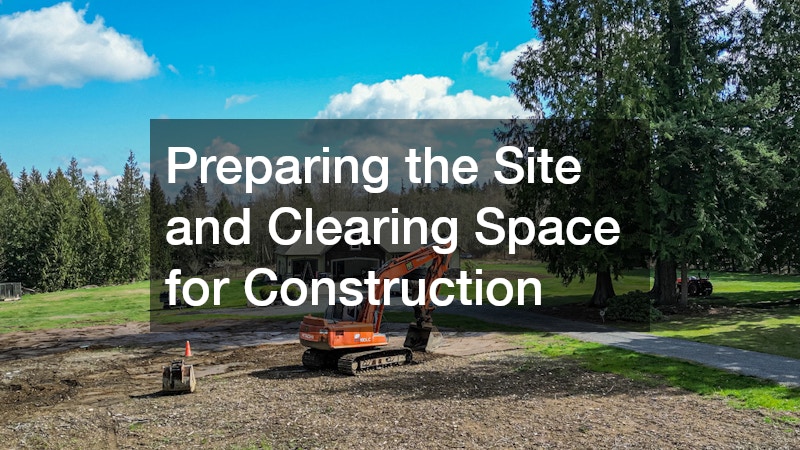
Once your goals are clearly defined, preparation begins. Even the most beautiful designs cannot succeed without a properly prepared foundation. Clearing old brush, removing debris, and reshaping uneven terrain make space usable and safe before construction crews begin any work. This stage frequently involves grading for drainage, removing roots, filling low spots, and establishing stable soil to support patios, walkways, or future garden beds.
Professional crews often coordinate equipment such as skid steers and excavators to reshape the yard efficiently. Trying to perform this work on your own may sound appealing at first, but improper grading can lead to standing water, erosion, or damage to nearby structures. Instead, hiring specialists in land clearing services ensures that each contour is shaped intentionally and that underground utilities remain protected.
Preparing a new backyard can feel messy at first. Dirt piles, machinery tracks, and temporary disruption are part of the process — but they are signs of progress. As the land begins to open up, the vision becomes clearer. A well-prepared site sets the stage for everything that follows. Without it, even high-quality features may fail due to poor ground conditions. During this time, maintain communication with your contractors, ask questions about drainage strategy, and confirm how the space will be protected during future construction steps. Good groundwork is not just a stage to get through; it is the structural backbone of a long-lasting outdoor environment.
Designing the Layout and Flow of Your Outdoor Living Space
With the space prepared, attention shifts toward design — how pathways connect, where seating belongs, and how each zone will function. Design is about more than placing features on a plan. It is about movement, visibility, and comfort. A yard that flows naturally encourages people to use it more often. Consider how guests will enter from the house, how family members might gather, and where transitions occur between grass, patio, and planted areas.
Lighting plans, irrigation, and electrical outlets for entertainment or outdoor kitchens should be integrated early. These systems influence where conduits and trenches must be installed before surfaces are finished. Skipping this planning step can create headaches later when mature areas must be reopened or patched.
Another major design consideration is how the outdoor aesthetic ties into your home’s exterior. Color palettes, textures, and finishes should coordinate without feeling overly matched. Sometimes homeowners decide to refresh adjacent elements at the same time. Collaborating with local exterior painting contractors can help harmonize the home’s facade with new landscape structures, giving everything a cohesive look.
As the new backyard layout takes shape, designers often create 2D or 3D visual plans. These previews help homeowners visualize shade, sightlines, and furniture placement before construction begins. Being able to walk through the design virtually encourages thoughtful revisions and helps you feel confident that each space has a purpose.

Managing Water, Drainage, and Long-Term Outdoor Health
Water management is one of the most overlooked — yet most important — stages of yard construction. Poor drainage can lead to flooded patios, waterlogged lawns, foundation issues, and surface erosion. Before installation of hardscapes or plant beds, contractors analyze slopes and run-off directions to protect structures and maintain healthy soil.
Gutters and downspouts also play a significant role in directing rainfall away from gathering areas. Regular roof maintenance connects directly to backyard health. Many homeowners schedule a gutter cleaning service during or before construction to ensure water flows properly and doesn’t back up onto new surfaces or landscaping. Clean systems also help reduce staining and prevent water from spilling over in heavy storms.
The new backyard should be designed so that water flows naturally toward designated drainage points or dry wells. French drains, channel drains, or grading adjustments may be recommended depending on your climate and soil type. While these systems are often invisible once installation finishes, they protect your investment for years to come.
Irrigation also belongs in this stage. Automatic sprinkler systems support plant health while conserving water, especially when grouped into zones that adjust based on sun exposure. Thinking proactively about both excess water and watering needs helps ensure the entire outdoor environment stays functional and healthy long after the project is complete.
Choosing Structural Features and Outdoor Comfort Enhancements
After the groundwork and drainage planning are set, structural elements begin to define the character of the space. Pergolas, gazebos, decks, and covered patios create shade and architectural interest. Modern homeowners increasingly choose adjustable systems that offer flexibility. For example, integrating automated pergolas allows homeowners to control sunlight, ventilation, and rain protection with minimal effort. These upgrades expand how often you can use the yard and make outdoor living practical during different seasons.
During this phase, think carefully about proportions. Oversized structures can overwhelm a yard, while underscaled features may feel insignificant. Consider how dining tables, grills, and seating groups will fit underneath shaded zones. Anchor points, posts, and footings need strong support, and installing them now avoids disruptive reconstruction later.
This is also a great time to consider outdoor kitchens, fire features, or entertainment areas. Built-in elements add value and transform the yard into a gathering hub. However, they require gas lines, electrical conduits, and special permits in many communities. Discuss local regulations early to prevent costly delays.
Incorporating one more mention of the new backyard during this stage helps visualize how these structures bring personality into the overall plan. Comfort features such as shade, lighting, and heating elements transform a simple open space into a functional living space. When carefully designed, each addition complements the environment instead of competing with it, creating harmony between architecture and landscape.

Selecting Materials, Finishes, and Key Project Resources
Material selection influences both appearance and durability. From paver styles to composite decking, homeowners face a range of options varying in texture, maintenance requirements, and lifespan. This is the time to balance cost with quality, especially in high-traffic areas such as walkways and patios. Durable surfaces may require a higher investment initially but save money in repairs later.
Coordinating deliveries, storage, and staging space for materials requires planning. Many outdoor projects rely heavily on building supplies that arrive in large shipments: gravel, concrete, lumber, stone, and soil. Ensuring your property has adequate space to temporarily hold materials helps crews work efficiently. Ask your contractor how long pallets or bulk materials will remain on-site and how they will be protected from weather.
To keep things clean and manageable during construction, homeowners often rent large bins to collect debris. This is where dumpster rental services become helpful. Having a designated container prevents hazards, reduces clutter, and keeps neighbors happier throughout the process.
As each surface is chosen, make sure textures coordinate with the rest of the design. Smooth modern pavers create a contemporary feel, while natural stone promotes a rustic atmosphere. The new backyard becomes truly personal when the materials reflect your taste, maintenance preferences, and lifestyle needs.
Coordinating Contractors, Repairs, and Construction Timelines
Outdoor projects frequently involve multiple professionals: designers, excavators, masons, carpenters, electricians, and landscapers. Effective coordination ensures each trade arrives in the right order and completes its portion without interfering with another. Clear communication is key — homeowners should expect regular progress updates as milestones are reached.
Occasionally, construction reveals issues that require additional attention. Old patios may hide sinkholes, or aging retaining walls might show signs of cracking. Addressing these problems during active construction is wise, even if it adds temporary inconvenience. When structural concerns arise, specialists in local foundation repairs can evaluate stability and recommend solutions to protect the property long-term.
Pressure washing, surface sealing, or temporary erosion control may also take place as the yard evolves. Contractors often bring in crews specializing in local pressure washing services to refresh hardscapes, fences, or driveways so everything looks consistent once the project concludes.
Throughout all of this, another reference to the new backyard naturally fits as momentum builds toward completion. Watching each component come together is one of the most rewarding stages — but it also requires patience. Weather delays, material shortages, or permit approvals can slow progress. Staying flexible while maintaining open dialogue with contractors helps ensure everything stays aligned with your goals.

Final Touches, Curb Appeal, and Ongoing Maintenance
As the dust settles and major construction tasks finish, attention shifts toward final details. Planting new shrubs, spreading mulch, and installing edging bring softness and color to the yard. Lighting systems highlight key features at night while improving safety along pathways and steps. Outdoor furniture and decorative elements personalize the environment, creating inviting spaces for gatherings or quiet evenings.
At this point, many homeowners look beyond the yard itself to refresh nearby exterior elements for cohesive curb appeal. New trim, shutters, or accent updates can make the entire property feel renewed. Sometimes collaboration with siding contractors helps ensure exterior walls and backyard features complement one another instead of clashing.
Routine maintenance is the final — and ongoing — expectation. Scheduling seasonal care keeps the new backyard looking vibrant long after construction ends. Washing surfaces, pruning landscaping, resealing patios, and checking drainage systems prevent problems from growing over time. Services like local pressure washing services may be called upon periodically to remove buildup and preserve surfaces, while seasonal appointments with a gutter cleaning service protect structural areas from water overflow. (Each of these services should only be included once in your planning if you are mapping budgets.)
Organizing leftover materials from the project, storing equipment safely, and disposing of remaining waste with dumpster rental services (planned earlier in the process) closes the loop on construction. When the final walk-through is complete, homeowners can proudly enjoy the finished result — a space designed around daily life, seasonal enjoyment, and long-term value.
When to Revisit Features and Plan Future Enhancements
A thoughtfully designed yard evolves. Plants mature, families grow, and hobbies change. Instead of seeing your project as “finished forever,” consider it a flexible foundation. Perhaps you begin with seating areas and garden beds today, then later add outdoor cooking features or entertainment upgrades as needs change.
By keeping the long-term vision of your new backyard in mind, improvements feel intentional rather than reactive. Set reminders to review landscaping health each year and walk the property after winter or strong storms to assess any damage. The more proactive you are with repairs and thoughtful upgrades, the more rewarding your outdoor environment becomes over time.