
The plumbing system of a home is often compared to the circulatory system of the human body. It is a vast, hidden network of channels and valves that delivers life-sustaining resources while efficiently whisking away waste. For most homeowners, this system only enters their conscious thought when something goes wrong—a cold shower, a damp basement, or an unexplained spike in the monthly utility bill. However, understanding your plumbing from the ground up can transform you from a reactive homeowner into a proactive steward of your property.
Whether you are breaking ground on a vacant lot or managing a century-old residence, the principles of hydraulic integrity, water quality, and mechanical maintenance remain the same. This guide explores the lifecycle of residential water systems, offering deep insights into how to build, upgrade, and preserve the infrastructure that keeps your household running smoothly.
The Blueprint Phase: Setting the Standard for Reliability

The most critical decisions regarding a home’s plumbing are made before the first pipe is even laid. During the initial design phase, the focus is on “stacking” wet rooms—placing bathrooms, kitchens, and laundry rooms in proximity to one another to minimize the length of pipe runs. Short pipe runs are more than just a cost-saving measure; they reduce the time it takes for hot water to reach the tap and lower the number of potential failure points within the walls.
For those embarking on the journey of building a custom home, the selection of a new home construction service is the single most important factor in long-term satisfaction. A high-quality builder ensures that the subterranean waste lines are pitched at the exact angle required by gravity to prevent chronic clogs. Furthermore, the modern era of construction demands a higher level of technical expertise. This is why savvy developers prioritize the involvement of licensed plumbers during the “rough-in” stage. These professionals ensure that the venting system is robust enough to prevent sewer gases from entering the living space, a common flaw in cut-rate builds that can lead to health issues and persistent odors.
Key Considerations for New Builds:
- Acoustic Insulation: Wrapping cast iron or specialized PVC drain pipes in sound-deadening material to prevent the sound of rushing water behind bedroom walls
- Manifold Systems: Using a central “PEX manifold” allows you to shut off water to a single fixture without losing water to the rest of the house
- Future-Proofing: Installing larger-than-required drain lines in the basement to accommodate future additions, such as a basement bar or guest suite
Modernizing the Sanctuary: Strategic Upgrades and Repairs
When homeowners commit to a bathroom remodeling project, they often focus on the visual “finish” materials—the subway tile, the frameless glass shower, or the vanity. However, the true value of a renovation lies in the structural integrity behind the walls. This is the only time you will have unfettered access to the drain, waste, and vent (DWV) system and the supply lines. Older homes often hide a history of “patchwork” plumbing, where various materials have been joined over decades. Replacing these disparate parts with a unified, modern system during the teardown phase is a strategic move that prevents the nightmare of having to cut into new drywall to fix a leak later.
During these upgrades, it is common to encounter minor issues that have been lingering for years. Perhaps a guest bathroom has been plagued by a “phantom flush” or a slow leak at the base. While many attempt these as DIY projects, professional toilet repairs ensure that the wax ring is seated perfectly and the internal flange is free of cracks. An improperly installed toilet can lead to subfloor rot that remains hidden for years, eventually costing thousands in structural repairs. By addressing these small mechanical failures during a larger renovation, you ensure the longevity of your investment.
Beyond the toilet, this “open-wall” period allows for the installation of modern amenities that require deeper integration:
- Pressure-Balanced Valves: Replacing old shower valves ensures that someone flushing a toilet elsewhere doesn’t cause a literal “scald or freeze” event in the shower
- Proper Flange Height: If you are adding thick floor tiles or radiant heating, the plumbing connections must be raised to meet the new floor height. A professional ensures that the connection to the sewer line remains airtight and watertight.
- Venting Improvements: Many older bathrooms suffer from “gurgling” drains because the venting was poorly designed. Correcting this while the walls are open ensures fast, silent drainage for all new fixtures.
Safeguarding Your Water Supply: Quality and Filtration
We often take for granted that the water coming out of the tap is safe and clean, but the journey from the municipal source or private well to your glass is fraught with potential contaminants. Hard water, characterized by high levels of calcium and magnesium, is the silent killer of plumbing systems. It creates scale buildup inside pipes and appliances, significantly shortening their lifespan.
Installing a comprehensive water treatment system is the most effective way to combat these issues. These systems work by neutralizing minerals or removing them through ion exchange, ensuring that your water is “soft.” Beyond mineral content, chemical impurities like chlorine or lead from aging city pipes can also be a concern. This is where high-grade filtration water treatment comes into play. By using multi-stage carbon filters or reverse osmosis membranes, you can ensure that your family is protected from microscopic pathogens and chemical runoff.
Signs that your home needs water treatment include:
- White Crusty Buildup: Noticed on showerheads, faucets, and inside the dishwasher
- Skin and Hair Issues: Excessive dryness or irritation after showering
- Laundry Discoloration: Whites appearing yellow or dingy even after using bleach
- Strange Tastes: Metallic or “swimming pool” odors coming from the kitchen tap
Thermal Efficiency: Hot Water and Climate Systems
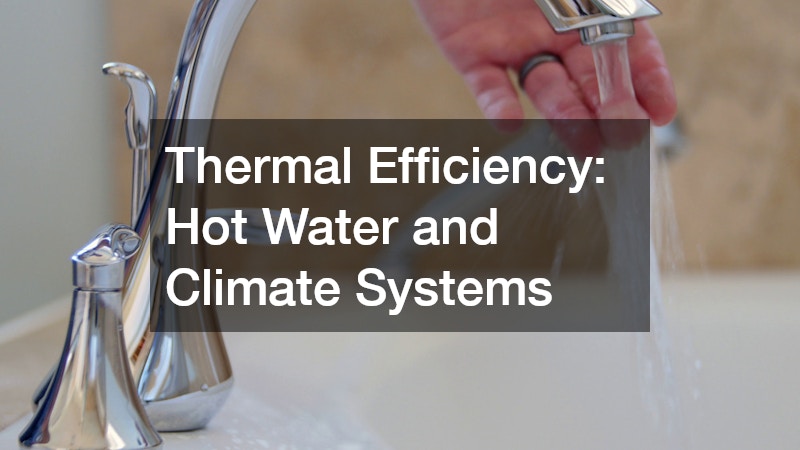
The water heater is the hardest-working appliance in the home, often running 24 hours a day to maintain a reservoir of hot water. To keep this system running at peak efficiency, annual maintenance is required. This involves flushing the tank to remove sediment that settles at the bottom, which can act as an insulator and cause the burner to overwork. In gas models, this sediment creates a barrier that forces the burner to run longer, leading to tank fatigue; in electric models, it can bury the lower heating element, causing it to burn out. Neglecting this leads to the need for frequent water heater repairs, such as replacing burnt-out heating elements or faulty T&P valves.
A proactive approach to thermal maintenance includes:
- Anode Rod Inspection: Checking the sacrificial anode rod every two to three years; once this rod is depleted, the water begins to eat away at the steel tank itself, leading to a catastrophic rupture.
- Temperature Calibration: Set your heater to 120 degrees Fahrenheit to prevent scalding and reduce the rate of mineral accumulation
- Insulation Blankets: Adding an insulating jacket to older tanks located in unconditioned spaces like garages to minimize standby heat loss
In the modern push for electrification and energy efficiency, many homeowners are moving away from traditional gas-fired units. The rise of hybrid technology has made heat pump repair a relevant topic for the modern homeowner. Heat pump repair systems work by pulling heat from the surrounding air and transferring it to the water, using a fraction of the electricity of a standard unit. Because they function essentially like a refrigerator in reverse, they include filters that must be cleaned to maintain airflow and condensate lines that can become clogged with algae or debris. Because they involve both plumbing and refrigerant components, they require a specialized touch when they experience a drop in performance. Keeping these systems in top shape ensures that your utility bills stay low and your comfort stays high.
To maximize the lifespan of these high-efficiency systems, consider the following:
- Airflow Clearance: Ensuring the area around the unit remains clear for adequate air exchange is vital for the heat pump to “breathe” and operate at its rated efficiency levels
- Filter Maintenance: Cleaning the onboard air filter every few months to prevent the compressor from overworking
- Smart Monitoring: Utilizing built-in diagnostic tools that alert your smartphone to leaks or failing sensors before they result in a cold shower
Managing the Hidden Flow: Pumps and Drainage
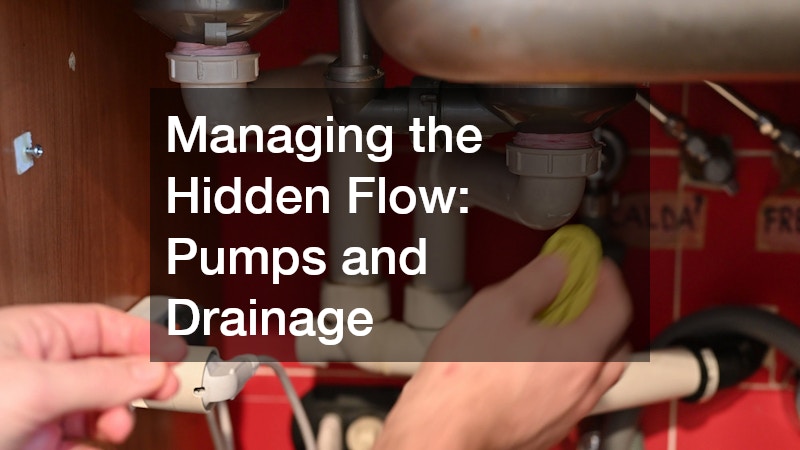
For homes with basements or those located on low-lying lots, managing water isn’t just about what comes out of the faucet; it’s about what gathers under the floorboards. Sump pumps and well pumps are the unsung heroes of residential plumbing. If your home relies on a well, the pressure tank and the submersible pump must be in perfect sync. If you notice your water pressure surging or a clicking sound coming from the pressure switch, you likely need a pump repair to avoid being left without water entirely.
Similarly, the drainage system must be treated with respect. A “slow drain” is usually a warning sign of a deeper blockage. While chemical cleaners are a popular quick fix, they are often corrosive to older metal pipes. Instead, regular mechanical cleaning and being mindful of what goes down the kitchen sink can prevent the need for a middle-of-the-night emergency plumbing service. Knowing where your main sewer cleanout is located and keeping it accessible can save hours of labor and hundreds of dollars if a backup does occur.
Proactive drainage tips include:
- Baking Soda and Vinegar: A monthly flush with this natural mixture can help break down minor grease buildup
- Mesh Strainers: Use them in every sink and tub to catch hair and food particles before they enter the trap
The Homeowner’s Maintenance Calendar

Maintaining a home requires a transition from being a passive resident to an active observer of the systems that keep your environment habitable. Plumbing is not a one-time setup; it is a commitment to seasonal vigilance that prevents minor irregularities from escalating into property-destroying failures. By adhering to a tiered maintenance schedule, you shift the odds in your favor, ensuring that your home’s infrastructure remains an asset rather than a liability.
Quarterly Tasks
- Check for Leaks: Use a high-lumen flashlight to inspect the dark corners of vanity cabinets and utility closets. Look for “blooming” wood, water rings, mold, or dampness, as even a slow drip can lead to structural rot and poor air quality.
- Test Sump Pumps: Reliability is key for flood prevention. Pour a five-gallon bucket of water into the pit to ensure the float triggers the motor and the water is discharged away from the foundation. If the motor sounds strained or fails to activate, it may be time for a professional pump repair to ensure the unit is ready for the next heavy rainfall.
- Clean Aerators: Mineral deposits and small pebbles can clog the screens at the tip of your faucets. Unscrew the small screens on the ends of faucets and rinse out any trapped grit to restore full flow and prevent “spraying” at odd angles.
Annual Tasks
- Drain the Water Heater: Over twelve months, minerals settle at the base of your tank. Remove the sediment that causes “popping” noises and efficiency loss. Neglecting this simple flush can lead to localized overheating of the tank bottom, eventually resulting in the need for costly water heater repairs or a full tank replacement.
- Inspect Outdoor Spigots: Winter freezes are the primary enemy of exterior plumbing. Check for frozen pipes in the spring and ensure the anti-siphon valves are functioning to prevent contaminated water from being siphoned back into your home’s drinking supply.
- Exercise Shut-Off Valves: Valves that stay in one position for years often seize up due to corrosion. Turn the valves under your sinks and toilets off and back on again to ensure they haven’t “frozen” in place due to mineral deposits. This ensures they will actually work when you need them in a hurry.
Every Five Years
- Septic Pumping: For homes not connected to a municipal grid, the septic tank is the heart of the waste system. Having your tank pumped is non-negotiable to prevent field failure and the backing up of sewage into the home.
- Pressure Regulator Testing: While high pressure feels great in the shower, it is an invisible killer of plumbing joints and solenoid valves in dishwashers. High water pressure (over 80 psi) can slowly destroy your appliances and pipe joints. A simple gauge from a hardware store can help you monitor this and determine if your pressure-reducing valve needs adjustment or replacement.
A well-maintained plumbing system is the backbone of a safe and comfortable home. From the early days of planning a new layout to the decades of maintenance that follow, the goal is always the same: reliability and efficiency. By understanding the mechanical needs of your appliances, the chemistry of your water, and the importance of professional oversight during major changes, you can protect your property from the most common cause of residential damage.
Taking the time to learn the locations of your shut-off valves and the specific needs of your water heating and filtration systems pays dividends in peace of mind. While the pipes hidden behind your walls may be out of sight, they should never be out of mind.