A reliable water heater is a cornerstone of household comfort, supplying hot water for showers, cleaning, and daily chores. Over time, even high-quality units degrade, and knowing the signs of a failing water heater can prevent inconvenient disruptions or costly damage. Recognizing these warning signals early ensures that homeowners can schedule a timely replacement and maintain both safety and efficiency in their home.
How Do You Know If Your Water Heater Is Failing?
One of the first signs of a water heater in trouble is unusual noises coming from the unit. Rumbling, popping, or banging sounds often indicate sediment buildup at the bottom of the tank.
As water heats, sediment hardens and causes friction that produces these disruptive noises. Over time, this can reduce the efficiency of the heater and accelerate wear. Ignoring these sounds may lead to more serious mechanical issues, signaling that a replacement is likely needed.
Water pooling around the base of your water heater is a clear red flag. Leaks can result from corrosion, cracks, or faulty valves, and they pose a serious risk of property damage if left unaddressed. Even small drips can cause water stains, mold growth, or structural issues over time. If you notice persistent leaks, it’s typically a sign that the unit has reached the end of its serviceable life and a professional local water heater installation should be considered promptly.
Another common indicator of a failing water heater is inconsistent water temperature. You may experience scalding hot water one moment and lukewarm water the next, or find that your tank struggles to maintain a steady supply of hot water. These fluctuations often result from failing heating elements, corrosion, or sediment buildup. Replacing a unit that cannot reliably heat water restores comfort and prevents ongoing inconvenience.
What Are the Consequences of Not Replacing a Failing Water Heater?
An aging or malfunctioning water heater consumes more energy to heat water, directly affecting your utility bills. Sediment buildup, inefficient heating elements, or leaks force the system to work harder, which wastes energy and money. By replacing an old unit, homeowners can improve energy efficiency, reduce costs, and even benefit from modern energy-saving features available in newer models.
Failing water heaters, particularly those that leak or burst, can cause significant water damage to floors, walls, and personal belongings. A sudden tank rupture can lead to flooding, costly repairs, and temporary displacement from your home. Timely replacement through a professional local water heater installation mitigates this risk and protects your property from severe damage.
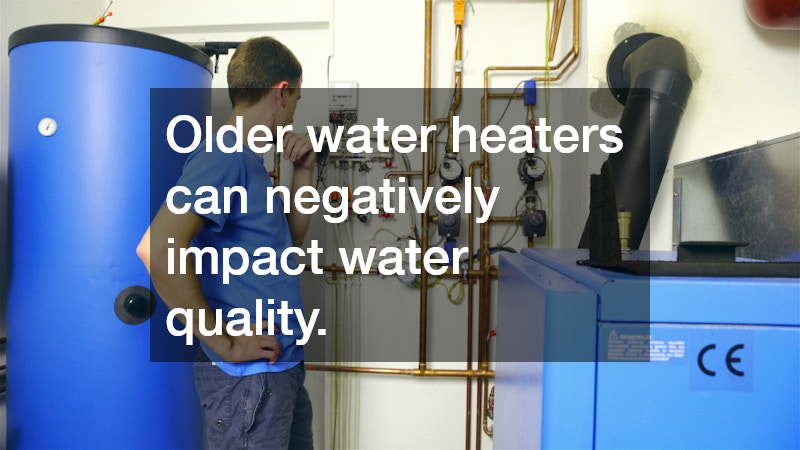
Older water heaters can negatively impact water quality, leading to discoloration, unpleasant odors, or metallic tastes in your hot water. Rust and sediment buildup can contaminate the water, making it less safe for daily use. Upgrading your water heater ensures cleaner, clearer, and safer hot water for bathing, cooking, and cleaning purposes.
When Is the Best Time to Replace Your Water Heater?
Most traditional water heaters have a lifespan of 8–12 years, while tankless models can last up to 20 years. Once a unit reaches the end of its expected service life, repairs become less reliable and more costly. Monitoring age, performance, and recurring issues helps homeowners decide when it’s time to schedule a replacement, avoiding sudden breakdowns and interruptions in service.
At a certain point, repairing an old water heater becomes less cost-effective than replacing it. Frequent repairs, high energy bills, and declining performance indicate that investing in a new unit is financially smarter. Professional advice from a qualified technician can guide homeowners in weighing the cost of ongoing repairs against the benefits of a local water heater installation to ensure long-term reliability.
Timing your water heater replacement can maximize convenience and minimize disruption. Many homeowners opt for replacements during off-peak seasons, such as spring or early fall, when demand is lower, and installers have more flexibility. Planning ahead allows for smoother scheduling and ensures your home remains comfortable throughout peak usage periods.
Recognizing the signs of a failing water heater—unusual noises, leaks, and inconsistent water temperature—is essential for maintaining home comfort and preventing costly damage. Neglecting these warning signals can result in higher energy bills, water damage, and decreased water quality. Understanding your unit’s lifespan, weighing repair costs versus replacement, and considering seasonal timing all contribute to a smoother transition. Engaging a professional local water heater installation service ensures the replacement process is safe, efficient, and reliable, restoring consistent hot water and protecting your home for years to come.