1. What Are the Most Common Household Pests?
1.1 Insects
Insects like ants, cockroaches, and termites are among the most common household pests. Ants, often seen traversing kitchen counters and floors, are in search of food and water. Cockroaches, known for their resilience, can survive in varied environments, posing health risks by carrying pathogens.
Termites are particularly destructive, quietly weakening the structural integrity of homes by feeding on wood. Identifying these insects early can prevent significant damage and health issues.
1.2 Rodents
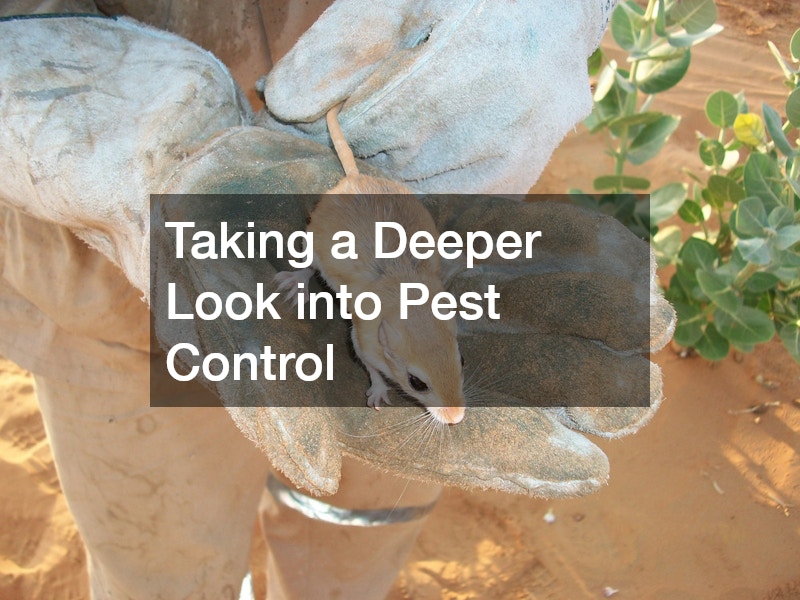
Rodents, such as mice and rats, are prevalent in residential areas due to their knack for finding food and shelter. These pests are notorious for spreading diseases through their droppings and urine, making them more than just a nuisance. They can chew through electrical wires, leading to fire hazards, and contaminate food supplies, resulting in foodborne illnesses. Effective control methods involve sealing entry points and maintaining clean environments to deter these unwanted visitors. Hiring professional pest control services can be crucial in managing severe infestations.
1.3 Arachnids
Common spiders, while beneficial in controlling insect populations, can become unwelcome when they enter homes. Their presence alone can cause distress due to the fear they invoke in many people. Some species, like the black widow or brown recluse, pose medical risks due to their venomous bites. Regular cleaning and reducing clutter help deter spiders from settling indoors. Professional pest control can provide targeted solutions for areas highly prone to spider infestations.
2. Why Is Pest Control Important?
2.1 Health Concerns
Pests can significantly impact human health by transmitting diseases. For instance, rodents can carry hantavirus, while cockroaches can exacerbate asthma and allergies. Controlling pest populations is crucial in preventing these health issues and promoting well-being. Pesticides and pest control services are essential tools in mitigating the health risks associated with infestations. The presence of pests should never be underestimated as it can lead to severe health crises if left unchecked.
2.2 Structural Damage
Structural damage caused by pests, particularly termites, can be costly and hazardous. Termites consume wood silently, often going unnoticed until significant damage has occurred. Rodents can also wreak havoc by gnawing on wires and insulation, posing electrical and fire risks. Regular inspections and preventive measures are vital in protecting buildings from such destruction. Engaging a professional pest control service can provide comprehensive protection and peace of mind against structural damages.
3. How Do Pest Control Methods Work?
3.1 Chemical Control
Chemical control involves using pesticides and other chemicals to manage pest populations. These substances are formulated to target specific pests, making them highly effective solutions for severe infestations. However, improper use of chemicals can pose health risks to humans and pets, emphasizing the need for professional intervention. Licensed pest control services are experienced in applying these chemicals safely and effectively. Homeowners should always adhere to safety guidelines and follow instructions when dealing with chemicals.
3.2 Biological Control
Biological control utilizes natural predators or pathogens to reduce pest numbers. For example, introducing ladybugs can help control aphid populations in gardens. This method is environmentally friendly, minimizing reliance on chemical interventions while maintaining ecological balance. While biological control can be highly effective, it is essential to monitor the impact on non-target species. Homeowners interested in this method should consider the ecosystems they are affecting and consult professionals.
3.3 Mechanical Control
Mechanical control involves physical methods like traps, barriers, and exclusion techniques. This approach is particularly useful for trapping rodents or preventing insects from entering through structural openings. Using mechanical controls is often a straightforward and hands-on method, providing immediate solutions to visible pest issues. However, it requires regular maintenance and monitoring to ensure effectiveness. Combining mechanical methods with chemical or biological controls can offer comprehensive pest management.
4. What Are the Best Pest Prevention Tips?
4.1 Home Maintenance
Regular home maintenance is key to preventing pest entry and infestations. Sealing cracks, repairing leaks, and ensuring proper ventilation can keep pests out. These measures eliminate access points and discourage pests from settling within homes. Home maintenance also involves routine cleaning, which helps detect early signs of infestations. Investing time in upkeep protects your home from the costly consequences of neglect.
4.2 Food Storage
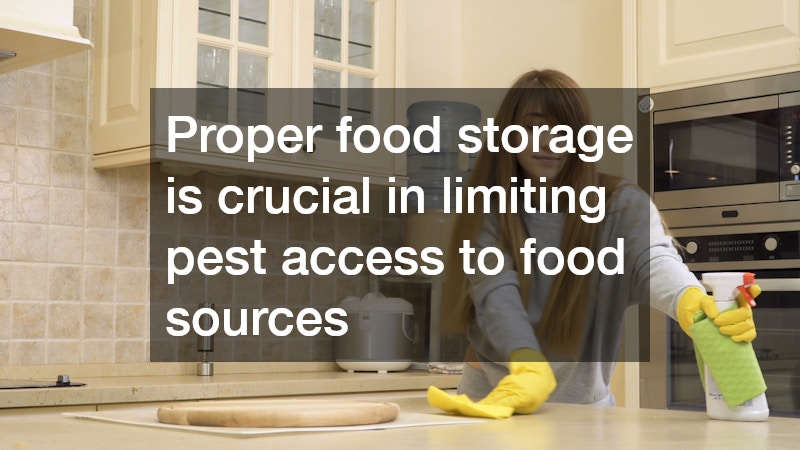
Proper food storage is crucial in limiting pest access to food sources. Using airtight containers and storing food off the ground can discourage pests like ants and rodents. Regularly checking expiration dates and promptly discarding spoiled products further prevents attraction. Cleanliness and tidiness in kitchens make them less appealing to pests. These storage practices help maintain hygienic environments and reduce the risk of infestations.
5. How Do You Choose a Pest Control Service?
5.1 Licensing and Certification
Choosing licensed and certified professionals ensures compliance with industry standards. Licensed providers are knowledgeable in safe chemical applications, minimizing risks. Verification of credentials ensures legitimacy and professionalism. Homeowners should request proof of licensing before hiring services. Licensed pest control services offer reliability and confidence in effective management.
5.2 Experience Level
Experience is a crucial factor when selecting pest control services. Experienced technicians bring a wealth of practical knowledge, ensuring accurate and efficient solutions. Companies with extensive histories understand unique pest challenges and adapt strategies accordingly. Reviews and referrals can provide insight into a company’s reputation and capabilities. Opting for experienced services guarantees competent pest management.
5.3 Range of Services
A comprehensive range of services indicates a pest control company’s versatility. Services should include a variety of pest solutions, personalized to meet specific needs. Companies offering inspections, prevention, and treatment plans provide complete coverage. Evaluating the service range helps ensure all potential issues are addressed. Choosing a multifunctional provider streamlines pest management and increases satisfaction.