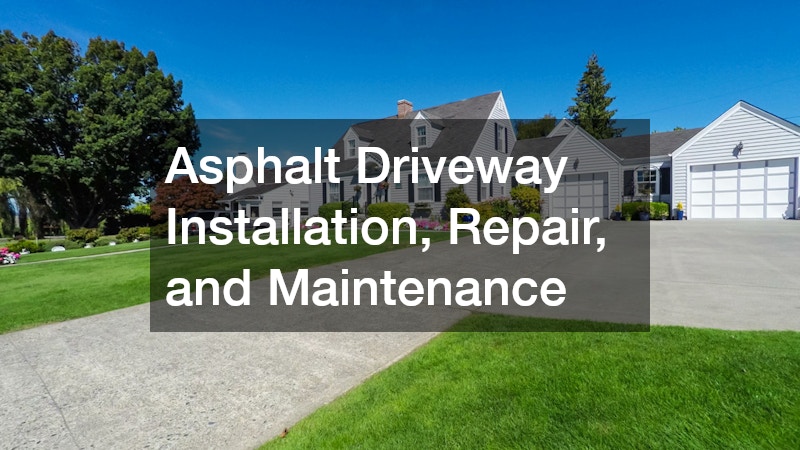
An asphalt driveway is a popular choice for homeowners thanks to its durability, affordability, and clean appearance. However, like any outdoor surface, asphalt requires proper installation, timely repairs, and regular maintenance to perform well over time. Without the right care, even a well-built driveway can develop cracks, drainage issues, or surface deterioration. This article explores the critical aspects of asphalt driveway care, covering installation, repair, and maintenance. By understanding best practices and common concerns, homeowners can make informed decisions and extend the lifespan of their asphalt driveways.
What Is the Process of Asphalt Driveway Installation?
Installing an asphalt driveway is a multi-step process that requires careful planning and execution. Each phase plays a vital role in ensuring long-term performance and structural integrity. Working with a reliable local paving contractor ensures that each step—from site preparation to final compaction—is handled correctly, resulting in a durable, properly graded driveway built to withstand weather, traffic, and long-term use.
The first step in asphalt driveway installation is proper site preparation, which involves clearing the area of grass, debris, and existing pavement, followed by grading the surface to create a stable foundation. Proper grading ensures effective drainage, as standing water can cause asphalt failure. A well-prepared base includes compacted soil and a layer of aggregate like crushed stone, providing strength and preventing shifting or settling. Without this, the asphalt surface may crack or sink prematurely.
High-quality materials are essential for a durable asphalt driveway. Asphalt is made from aggregates (sand, gravel) and asphalt binder, with the mix varying based on climate, traffic load, and use. A thicker asphalt layer is recommended for heavier vehicles, while residential driveways require standard thickness balancing durability and cost. Choosing the right materials ensures the driveway withstands temperature changes, moisture, and daily use.
When the site is prepared and materials selected, asphalt is laid using professional techniques. Hot asphalt is spread evenly and compacted with rollers for a smooth, dense finish. Proper compaction removes air pockets, strengthening the surface. Experienced contractors focus on edges and transitions for clean lines and even thickness. Done correctly, this results in a smooth, uniform surface that cures over time and provides lasting performance.
How Can I Repair Cracks in My Asphalt Driveway?
Even with proper installation, asphalt driveways can develop cracks due to weather changes, moisture, and normal wear. Addressing cracks early helps prevent more extensive damage.
Before making repairs, it’s important to identify the type of crack present. Minor cracks are usually narrow and shallow, often caused by surface aging or temperature fluctuations. These cracks can typically be repaired with simple DIY solutions. Major cracks, on the other hand, are wider, deeper, or connected to underlying structural issues. Alligator cracking, which resembles a web-like pattern, often indicates base failure and may require more extensive repair or resurfacing.
For small cracks, asphalt crack filler is an effective solution. Begin by cleaning the crack thoroughly, removing dirt, debris, and vegetation. This allows the filler to bond properly with the asphalt surface. Next, apply the crack filler according to the manufacturer’s instructions, ensuring it fills the crack completely. Smooth the surface using a putty knife or squeegee and allow adequate time for curing. Properly applied crack filler helps seal out moisture and slows further deterioration.
If cracks are large, spreading, or accompanied by sinking areas, professional intervention is recommended. A paving professional can assess whether the damage is surface-level or structural and recommend appropriate solutions such as patching, overlay, or full replacement. Attempting to fix serious damage without proper expertise can lead to temporary results and higher costs over time. Knowing when to call a professional helps protect your investment.
What Are the Best Practices for Asphalt Driveway Maintenance?
Routine maintenance plays a crucial role in preserving the appearance and functionality of an asphalt driveway. Small, consistent efforts can significantly extend its lifespan.
Keeping the driveway clean is one of the simplest yet most effective maintenance practices. Regularly sweeping away dirt, leaves, and debris prevents organic material from breaking down and weakening the surface. Washing the driveway occasionally with a hose or mild detergent can also help maintain its appearance. Avoid using harsh chemicals, as they may damage the asphalt binder.
Sealcoating adds a protective layer that shields asphalt from UV rays, moisture, and chemical exposure. Most driveways benefit from sealcoating every two to three years, depending on climate and usage. Applying sealcoat too frequently can cause buildup, while waiting too long leaves the surface vulnerable to cracking and fading. Proper timing ensures maximum protection and keeps the driveway looking fresh.
Oil, gasoline, and other automotive fluids can penetrate asphalt and cause softening or discoloration. Cleaning spills as soon as they occur helps prevent permanent damage. For existing stains, specialized asphalt cleaners or gentle scrubbing with a degreasing solution may help reduce their appearance. Using drip pans or parking mats can also minimize future staining.
Proper installation, timely repairs, and consistent maintenance are vital in preserving the integrity and appearance of your asphalt driveway. From careful site preparation and quality materials to early crack repairs and routine sealcoating, each step plays a role in extending the life of the surface. By following these guidelines, homeowners can enjoy a long-lasting, functional, and visually appealing asphalt driveway that enhances both convenience and curb appeal.