Home improvements that add lasting value often start with thoughtful planning rather than isolated upgrades. While cosmetic changes can refresh a space, long-term value usually comes from improvements that support how a home functions over time. Structural integrity, system coordination, and well-timed projects all play a role in creating results that hold up through daily use and future changes. When improvements are approached with a bigger picture in mind, they tend to feel more cohesive and purposeful.
Homeowners who focus on value often consider how different projects connect rather than treating each one as a standalone task. The sequence of work, the condition of existing systems, and the quality of execution all influence how improvements perform years down the line. By prioritizing planning and foundational work first, later updates can build on a solid base. This approach helps improvements age well and reduces the likelihood of costly corrections later.
Beyond resale considerations, lasting value also affects everyday living. Improvements that are thoughtfully planned often improve comfort, efficiency, and usability in ways that homeowners notice immediately. Better layouts, stronger materials, and updated systems can make daily routines smoother while quietly protecting the home’s long-term condition. These benefits tend to compound over time rather than fade.
Another important factor is adaptability. Homes that can adjust to changing needs, whether that involves family growth, remote work, or aging in place, tend to retain value more effectively. Improvements made with flexibility in mind often remain relevant longer than trend-driven updates. By focusing on durability, coordination, and practical use, homeowners can make choices that support both present comfort and future stability.
Coordinating Larger Improvement Projects
Managing multiple home improvements at once can be challenging without clear direction. When projects overlap or depend on one another, coordination becomes essential to keep work moving efficiently and avoid unnecessary delays. Thoughtful oversight helps align timelines, budgets, and expectations so each phase supports the next rather than creating conflicts.
Working with a general contractor can provide structure when several improvements are involved. This role often includes scheduling trades, managing materials, and keeping work aligned with the overall plan. With proper coordination, larger projects tend to progress more smoothly, helping homeowners maintain consistency and protect the long-term value of their investment.
Effective coordination also reduces disruption inside the home. When work is sequenced properly, rooms can be completed in a logical order rather than being revisited multiple times. This minimizes downtime, limits rework, and helps homeowners maintain a sense of control throughout the process. Clear communication between all parties plays a major role in keeping projects on track.
In addition, coordinated planning often helps manage costs more effectively. When tasks are grouped strategically, materials and labor can be used more efficiently. This approach reduces unexpected expenses and supports better decision-making when adjustments are needed. Over time, coordinated improvements tend to produce more consistent results and fewer long-term issues.
Strengthening Structural Elements and Surfaces
Structural improvements often form the foundation of long-lasting home value. Elements like foundations, walkways, and load-bearing surfaces support both safety and functionality. When these components are in good condition, they help protect other improvements and maintain the home’s overall stability.
Partnering with a local concrete company allows homeowners to address structural surfaces with attention to durability and proper installation. Whether reinforcing existing areas or creating new ones, well-executed concrete work supports long-term performance. These upgrades may not always be immediately visible, but they play a key role in helping other improvements hold up over time.
Strong structural surfaces also influence how a home handles environmental stress. Properly installed concrete can help manage drainage, reduce cracking, and limit shifting caused by temperature changes or soil movement. These factors help prevent damage to nearby structures and finishes, preserving the integrity of the home as a whole.
Over time, maintaining solid structural elements can reduce maintenance demands and repair costs. When surfaces are built correctly from the start, they are less likely to require frequent patching or replacement. This reliability adds value not only by protecting the home physically but also by giving homeowners confidence that their investment will remain sound for years to come.
Improving Comfort and Energy Performance
Comfort and efficiency are closely linked when it comes to long-term home value. Spaces that maintain consistent temperatures and limit drafts tend to feel more comfortable year-round, which affects how often rooms are used and enjoyed. Improvements that support insulation and air control can also reduce strain on heating and cooling systems, helping the home perform more reliably over time.
Focusing on window and door services can address common sources of heat loss and air leakage. Updated seals, improved materials, and better-fitting units help regulate indoor conditions while reducing energy waste. These targeted improvements often enhance comfort immediately while also supporting efficiency goals that continue to benefit the home long after installation.
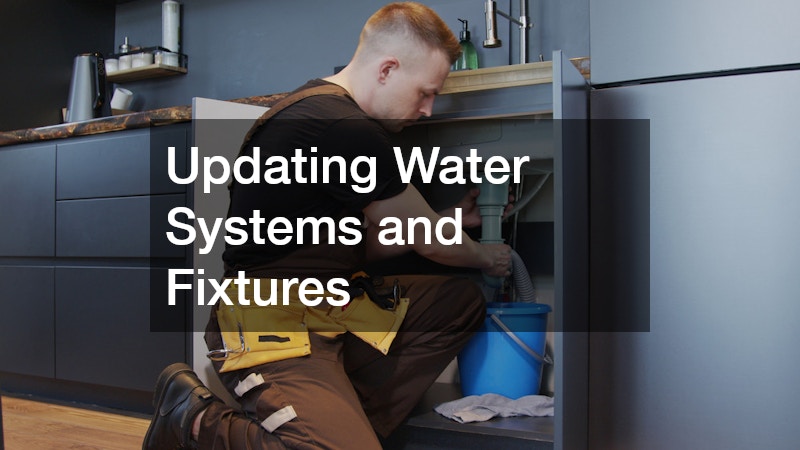
Updating Water Systems and Fixtures
Water systems play a critical role in daily comfort and overall home function. Aging pipes, outdated fixtures, or inefficient layouts can lead to inconsistent performance and hidden issues over time. Addressing these systems as part of a value-focused improvement plan helps protect the home from avoidable wear and supports dependable use.
Investing in plumbing services allows homeowners to update water lines, fixtures, and connections with long-term performance in mind. Improvements may include replacing worn components, improving water pressure, or updating layouts to support modern use. These updates help reduce the risk of leaks and system strain while supporting reliable performance throughout the home.
Supporting Modern Electrical Needs
Electrical systems are expected to support far more today than they were when many homes were first built. Increased device use, lighting demands, and flexible room functions all place added pressure on existing wiring and panels. Upgrading these systems supports both safety and everyday convenience while preparing the home for future needs.
Working with a local electrician helps address capacity, layout, and safety considerations in a structured way. This may involve adding circuits, improving panel capacity, or updating wiring to meet current standards. Thoughtful electrical improvements help the home function smoothly while supporting long-term value through reliability and adaptability.
Improving Interior Layout and Everyday Function
Interior layout has a direct impact on how comfortably a home supports daily routines. Rooms that flow well, offer adequate storage, and adapt to different uses tend to hold their value longer than spaces designed around short-term trends. Thoughtful layout improvements can make a home feel more intuitive, reduce wasted space, and improve how each room is used over time.
Focusing on home remodeling allows layout changes to be tailored to real-life needs rather than cosmetic goals alone. This may involve opening up shared areas, reworking room transitions, or improving how spaces connect to one another. When layout improvements are made with function in mind, they often improve both everyday comfort and long-term usability.
Beyond visual appeal, functional layouts can reduce daily friction within the home. Clear pathways, logical room placement, and purposeful storage can make routines smoother and reduce clutter. These improvements often help homes feel larger and more organized without increasing square footage.
Over time, adaptable layouts also support changing household needs. A space that works as a playroom today may become an office or guest room later. Designing interiors with flexibility in mind allows the home to evolve without requiring major structural changes. This adaptability contributes to lasting value by keeping the home practical and relevant for years to come.
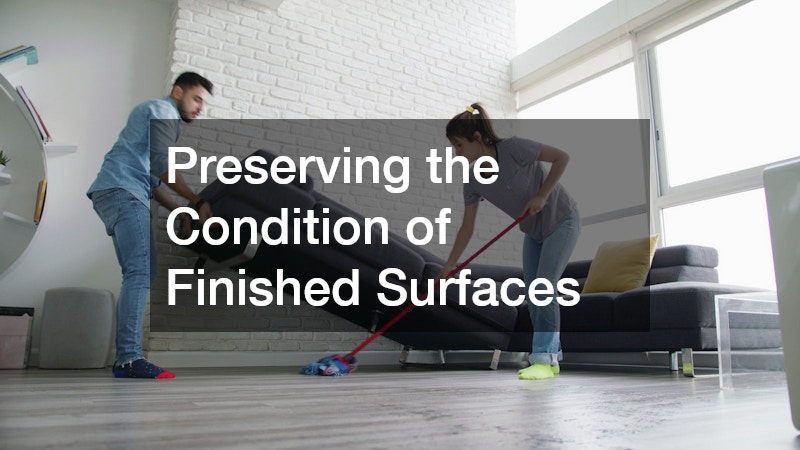
Preserving the Condition of Finished Surfaces
Finished surfaces play a large role in how a home looks and feels, but they also influence long-term durability. Floors, tile, and other high-use surfaces experience constant wear, and neglect can shorten their lifespan. Preserving these finishes helps maintain the overall condition of the home while protecting earlier investments in materials and installation.
Using a tile and floor cleaning service supports proper maintenance without damaging surfaces through improper care. Professional cleaning methods help remove buildup that regular cleaning may miss, preserving appearance and performance. Routine attention to finished surfaces can delay replacement needs and help the home maintain a well-kept appearance over time.
Consistent care also helps surfaces age more evenly. Dirt, moisture, and residue can cause uneven wear if left untreated, leading to discoloration or damage that is difficult to reverse. Addressing these issues early helps keep finishes looking uniform and intact.
In addition, well-maintained surfaces can influence how potential buyers perceive a home. Clean, cared-for floors and tile suggest responsible upkeep throughout the property. Even for homeowners not planning to sell, preserving finished surfaces supports daily comfort and reduces long-term maintenance costs.
Refreshing Exterior Appearance and Protection
The exterior of a home serves both visual and protective purposes. It creates first impressions while shielding the structure from weather, moisture, and temperature changes. Maintaining exterior elements helps protect interior systems and contributes to consistent performance throughout the home.
Updating exterior finishes through siding services helps reinforce this protective layer while refreshing the home’s appearance. New or well-maintained siding can improve insulation performance, reduce moisture intrusion, and support long-term durability. These updates often deliver value by improving both curb appeal and structural protection at the same time.
Exterior improvements also help manage long-term wear caused by sun exposure, wind, and seasonal changes. When siding materials are in good condition, they help regulate temperature and limit stress on interior systems. This can reduce energy loss and support more consistent indoor comfort.
Over time, a well-maintained exterior reduces the likelihood of costly repairs. Addressing wear early helps prevent underlying damage that can spread to framing or insulation. By combining appearance with protection, exterior updates contribute to lasting value while supporting the home’s overall health.
Maintaining Outdoor Systems and Landscaping
Outdoor systems contribute to both appearance and long-term property health. Landscaped areas, lawns, and planting beds rely on consistent care to remain functional and visually appealing. When these systems are neglected, issues such as soil erosion, uneven growth, or water waste can gradually reduce curb appeal and increase maintenance demands.
Maintaining a sprinkler system supports efficient water use while helping landscapes stay healthy throughout changing seasons. Proper coverage, timing, and system condition all influence how well outdoor areas perform over time. When irrigation systems function as intended, they protect plantings, reduce manual upkeep, and help preserve the overall investment made in the property’s exterior.
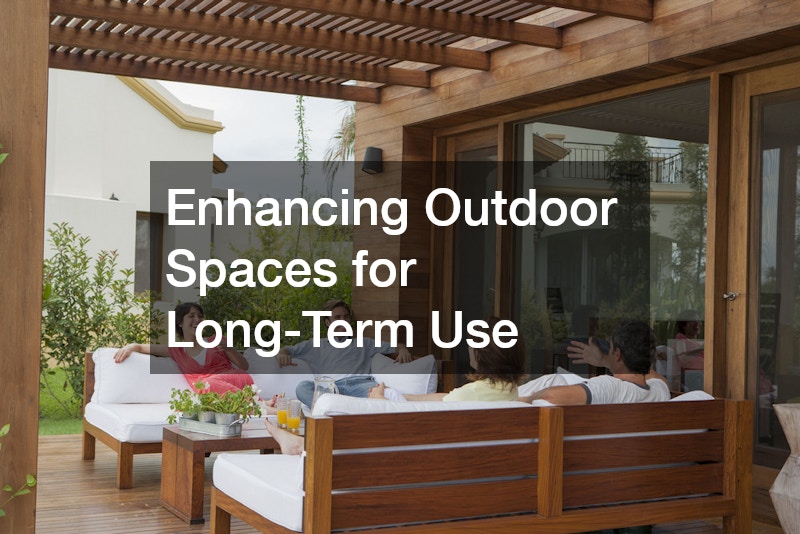
Enhancing Outdoor Spaces for Long-Term Use
Outdoor areas are increasingly viewed as extensions of the home rather than separate features. Patios, walkways, and gathering spaces support relaxation, entertaining, and everyday use when designed with comfort and durability in mind. Thoughtful outdoor improvements can increase how often these areas are used while also contributing to the home’s overall appeal.
Working with an outdoor renovation service allows these spaces to be planned around long-term use rather than short-term trends. This may involve improving layout, upgrading materials, or enhancing access between indoor and outdoor areas. When outdoor spaces are designed intentionally, they often remain functional and inviting for many years, adding value through consistent use and enjoyment.
Home improvements that add lasting value share a common focus on durability, function, and thoughtful planning. Rather than chasing quick updates, value-driven projects consider how each improvement supports the home as a whole. Structural strength, reliable systems, and adaptable layouts all contribute to results that hold up through daily use and changing needs. When these elements work together, the home becomes easier to live in and less costly to maintain over time.
By approaching improvements in a logical sequence and prioritizing quality execution, homeowners can protect their investment while improving everyday comfort. Projects that address structure, systems, and layout first often create a stronger foundation for future updates. This approach reduces the likelihood of rework and helps each improvement perform as intended for years rather than months.
Lasting value is also tied to how well a home adapts. Families grow, routines change, and expectations shift, but homes that are designed with flexibility in mind tend to remain functional longer. Improvements that support multiple uses, efficient maintenance, and consistent performance help the home stay relevant without constant modification.
Ultimately, value-focused home improvements are about balance. They combine practical decision-making with long-term thinking, blending comfort, durability, and usability into each project. When homeowners take the time to plan improvements carefully, the results often extend far beyond appearance, supporting both daily living and long-term stability.