The Complete Maintenance Checklist for Homes, Businesses, and Vehicles
Introduction
Maintenance is not just about fixing what’s broken—it’s about preventing problems before they start. Whether you own a home, manage a commercial property, or rely on personal and fleet vehicles, consistent upkeep protects your investment, ensures safety, and reduces long-term expenses.
In 2026, rising material costs and labor shortages make preventative maintenance more important than ever. Small issues—like minor cracks, slow drains, or worn brake pads—can quickly escalate into major repairs if left unaddressed. A structured, proactive approach allows property owners and managers to budget wisely, extend asset lifespan, and avoid disruptive emergencies.
This comprehensive checklist covers essential maintenance strategies across structural surfaces, roofing, plumbing, electrical systems, landscaping, and vehicles. By organizing inspections and service schedules into manageable routines, you can create a practical system that works year-round.
The key is consistency. When inspections are scheduled regularly and handled by qualified professionals, your home, business, and vehicles remain safe, efficient, and reliable.
Inspect Structural Surfaces Annually to Prevent Major Repairs

Concrete and paved surfaces are foundational elements of homes and commercial properties. Driveways, sidewalks, foundations, loading docks, and parking lots all endure constant stress from weight, weather, and temperature changes. Without routine inspection, small cracks can turn into costly structural failures.
Hiring a professional concrete contractor for periodic inspections helps identify early warning signs such as:
-
Hairline cracks spreading across slabs
-
Uneven or sunken sections
-
Water pooling after rain
-
Surface flaking or scaling
-
Expansion joint deterioration
Even minor cracks allow moisture to penetrate beneath the surface. During freeze-thaw cycles, trapped water expands, widening cracks and weakening the structure.
One frequently overlooked factor is driveway grading. Improper slope can cause water to flow toward foundations rather than away from them. Over time, this contributes to basement leaks and soil erosion.
To maintain structural integrity:
-
Inspect driveways and walkways every spring and fall
-
Seal small cracks promptly
-
Ensure downspouts direct water away from slabs
-
Check retaining walls for shifting or leaning
Commercial properties should conduct additional inspections after heavy equipment use or extreme weather events.
Budgeting for preventative repairs is far less expensive than full slab replacement. Addressing drainage issues and surface damage early protects not only concrete but also the underlying soil and foundation.
In regions with harsh winters or intense summer heat, scheduling annual professional evaluations ensures long-term stability and prevents liability risks associated with uneven surfaces.
Schedule Roof and Exterior Envelope Evaluations Before Severe Weather
The roof is your property’s first line of defense against the elements. Yet it often receives attention only after a leak appears. Annual inspections significantly reduce the likelihood of emergency repairs.
A reputable roofing company can assess:
-
Missing or damaged shingles
-
Flashing deterioration around vents and chimneys
-
Granule loss on asphalt shingles
-
Signs of sagging or structural weakness
-
Gutter blockages
Warning signs you should never ignore:
-
Water stains on ceilings
-
Mold growth in attic spaces
-
Peeling exterior paint
-
Drafts near rooflines
Seasonal maintenance checklist:
-
Clean gutters and downspouts twice per year
-
Remove debris such as leaves and branches
-
Inspect attic insulation and ventilation
-
Check skylight seals
Storm preparation is particularly important for commercial buildings. Flat roofs require regular drainage inspections to prevent ponding water.
Exterior envelope maintenance also includes siding, window seals, and door frames. Caulking cracks and replacing worn weather stripping improves energy efficiency and prevents moisture intrusion.
Investing in preventative roof care extends lifespan, improves insulation performance, and reduces energy costs. Scheduled inspections are significantly more affordable than emergency leak remediation.
Maintain Plumbing Systems to Prevent Water Damage and Health Risks
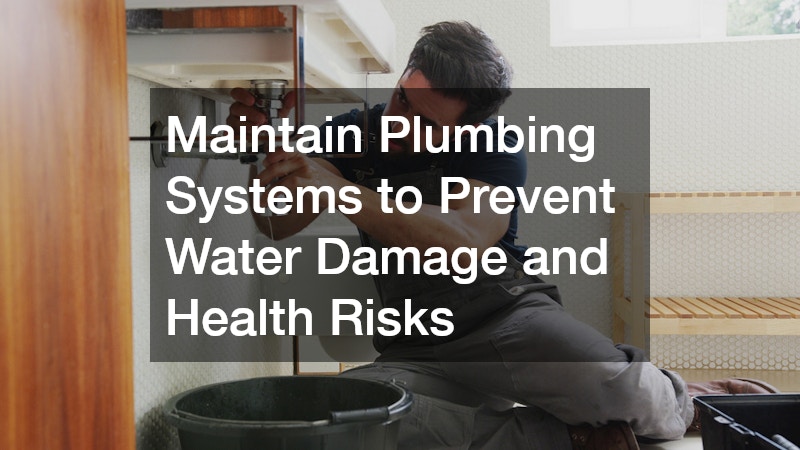
Water damage can be devastating. From warped floors to mold contamination, neglected plumbing issues escalate quickly. Even a minor leak hidden behind a wall can gradually weaken structural framing, damage insulation, and create the perfect environment for microbial growth. Routine plumbing drain cleaning plays a critical role in preventing blockages and backups that could otherwise lead to overflow and interior flooding.
Signs that drains require attention:
-
Gurgling sounds
-
Foul odors
-
Water backing up in sinks or tubs
-
Slow drainage
In addition to these warning signs, watch for:
-
Unexplained increases in water bills
-
Damp spots under cabinets
-
Staining on ceilings below bathrooms
-
Foundation cracks caused by prolonged moisture exposure
Professional plumbing drain cleaning removes grease buildup, soap residue, hair, food waste, and mineral deposits before major clogs develop. Over-the-counter chemical cleaners may provide temporary relief, but repeated use can corrode pipes over time. Mechanical cleaning methods and hydro-jetting performed by licensed plumbers provide a safer, more thorough solution.
Routine plumbing checklist:
-
Inspect under sinks for leaks
-
Check water pressure levels
-
Flush water heaters annually
-
Test sump pumps before rainy seasons
-
Verify that shut-off valves function properly
Expanding on this checklist, property owners should also:
-
Insulate exposed pipes before winter
-
Inspect washing machine hoses for cracks
-
Clean faucet aerators to maintain steady flow
-
Ensure proper drainage around the foundation
Water heater maintenance is especially important. Sediment accumulation reduces efficiency and shortens tank lifespan. Schedule annual flushing and inspect the anode rod every few years to prevent internal corrosion. For tankless systems, descaling is necessary to maintain performance in areas with hard water.
For businesses, regular inspections help prevent costly downtime caused by restroom or kitchen plumbing failures. Restaurants, medical facilities, and office buildings rely heavily on uninterrupted water service. Preventative maintenance reduces liability risks and supports health code compliance.
Consistent plumbing maintenance protects structural integrity, improves indoor air quality, and reduces repair expenses. By addressing minor concerns early, property owners safeguard both their investment and the well-being of occupants.
Protect Electrical Systems and Upgrade for Safety
Electrical systems power nearly every function in modern homes and businesses. Faulty wiring not only causes inconvenience but also presents serious fire risks. Overloaded circuits, deteriorated insulation, and outdated components increase the likelihood of electrical hazards.
Hiring a licensed electrician for periodic inspections ensures safe operation and compliance with current codes. Electrical standards evolve, and older systems may not meet modern safety requirements or accommodate today’s power demands.
Signs of electrical issues:
-
Flickering lights
-
Frequently tripped breakers
-
Warm outlets
-
Burning odors
-
Outdated fuse panels
Additional warning indicators include:
-
Buzzing sounds from panels
-
Sparking when plugging in devices
-
Discolored outlet covers
-
Inconsistent power supply to appliances
Safety checklist:
-
Test smoke and carbon monoxide detectors monthly
-
Inspect extension cords for wear
-
Replace damaged outlets
-
Upgrade outdated electrical panels
Beyond these steps, consider installing:
-
Ground fault circuit interrupters (GFCIs) in kitchens and bathrooms
-
Arc fault circuit interrupters (AFCIs) in living areas
-
Surge protection devices for whole-property coverage
Energy-efficient lighting upgrades, such as LED conversions, reduce operating costs and generate less heat than traditional bulbs. Commercial properties benefit from motion sensors and programmable lighting systems that minimize energy waste during non-operating hours.
An electrician can also evaluate load capacity before installing new appliances or equipment. As households add electric vehicle chargers, smart home systems, and high-capacity HVAC units, electrical panels must be assessed to prevent overload.
Preventative electrical maintenance enhances safety and improves system reliability. Investing in regular inspections and timely upgrades reduces the likelihood of emergencies and protects both occupants and assets.
Plan Seasonal Property Care for Outdoor Safety and Accessibility

Seasonal maintenance keeps properties safe and functional year-round. Weather patterns change dramatically throughout the year, and each season presents unique challenges that require preparation.
Professional snow removal services help maintain safe walkways and parking areas. Timely clearing reduces slip-and-fall risks, ensures emergency access, and protects pavement surfaces from freeze-thaw cycles.
Outdoor seasonal checklist:
-
Inspect irrigation systems in spring
-
Trim trees before storm season
-
Clean drainage systems
-
Reseed lawns as needed
Working with a landscaping contractor ensures ongoing care of lawns, shrubs, and trees. Healthy landscaping improves curb appeal and prevents overgrowth that can damage siding, roofing, or fencing.
Spring and summer maintenance tasks may include:
-
Power washing sidewalks and driveways
-
Inspecting retaining walls for shifting
-
Servicing outdoor lighting systems
-
Applying mulch to preserve soil moisture
Fall preparation steps:
-
Clear leaves from gutters
-
Aerate lawns
-
Protect delicate plants
-
Inspect outdoor lighting
Gutter maintenance is particularly important before heavy rainfall or snow. Clogged gutters can cause water to overflow and damage foundations, siding, and basements.
Storm preparation should also include securing outdoor furniture, inspecting roofing materials, and trimming branches that could fall during high winds.
Proactive seasonal care reduces emergency repairs and liability risks. By aligning maintenance tasks with seasonal conditions, property owners maintain safety, preserve landscaping investments, and ensure year-round accessibility.
Maintain Fleet and Personal Vehicles for Reliability and Safety
Vehicle maintenance is essential for both personal safety and operational continuity. Regular servicing at reputable auto repair shops prevents breakdowns and costly repairs.
Core maintenance schedule:
-
Oil changes every 3,000–7,500 miles
-
Brake inspections twice per year
-
Tire rotations every 5,000–8,000 miles
-
Battery testing annually
-
Fluid level checks monthly
Warning signs requiring immediate attention:
-
Grinding brakes
-
Engine warning lights
-
Vibrations at high speeds
-
Fluid leaks
When vehicles become unsafe to drive, arranging professional towing prevents further mechanical damage and ensures safety.
Seasonal preparation includes:
-
Checking coolant levels before summer
-
Inspecting heating systems before winter
-
Installing winter tires if necessary
-
Testing windshield wipers and defrosters
Fleet managers should maintain detailed service logs and schedule preventative inspections to minimize downtime.
Consistent vehicle maintenance reduces long-term costs and enhances road safety.
Inspect and Repair Glass Components for Visibility and Security

Windshields and windows play a critical role in safety. Small chips can quickly spread, compromising structural integrity. In vehicles, the windshield contributes significantly to overall structural strength, particularly during collisions or rollovers. Even minor damage can reduce its ability to support airbags or maintain cabin integrity.
Professional auto glass services can repair minor damage before full replacement becomes necessary. Repairing chips early prevents them from expanding into long cracks that obstruct visibility and require complete windshield replacement.
Inspection tips:
-
Check windshields for chips after storms
-
Monitor cracks that expand with temperature changes
-
Inspect side mirrors for stability
-
Replace worn weather seals
In addition to these steps, drivers and property owners should:
-
Clean glass regularly to identify subtle imperfections
-
Avoid slamming doors, which can worsen small cracks
-
Park in shaded or covered areas during extreme heat
-
Use proper ice removal tools instead of metal scrapers
Temperature extremes accelerate crack expansion, so prompt repair is essential. During winter, pouring hot water on an icy windshield can cause rapid expansion and worsen existing chips. Similarly, intense summer heat can expand trapped air inside cracks, spreading damage further.
For commercial vehicles and fleet operations, regular inspections should be integrated into routine safety checks. Drivers should report any visible damage immediately to prevent violations and safety hazards.
Home and commercial building windows also require attention. Inspect:
-
Window frames for gaps or warping
-
Caulking around edges
-
Double-pane seals for fogging
-
Sliding door tracks for debris buildup
Damaged seals reduce insulation performance and increase energy costs. Condensation between panes often indicates seal failure, which can compromise thermal efficiency.
Security is another critical factor. Cracked windows are more vulnerable to break-ins. Reinforcing glass with security film or upgrading to impact-resistant glass can enhance protection in high-risk areas.
Insurance often covers windshield repairs, making early intervention cost-effective. Many policies waive deductibles for minor repairs because fixing chips early reduces replacement costs.
Maintaining glass integrity ensures clear visibility and structural protection. Whether in vehicles or buildings, consistent inspection and timely repair preserve safety, energy efficiency, and appearance.
Create a Preventative Maintenance Calendar for All Assets
A structured calendar transforms maintenance from reactive to proactive. Organizing tasks by season, frequency, and priority ensures nothing is overlooked. Without a schedule, even responsible owners may forget critical inspections until a failure occurs.
Steps to build a maintenance calendar:
-
List all property and vehicle assets
-
Assign inspection intervals
-
Set digital reminders
-
Allocate budget reserves
Start by categorizing assets into groups:
-
Structural components (roof, foundation, pavement)
-
Mechanical systems (HVAC, plumbing, electrical)
-
Exterior features (landscaping, lighting, drainage)
-
Vehicles and equipment
For each category, determine inspection frequency:
-
Monthly (filter checks, fluid levels, alarm testing)
-
Quarterly (drain inspections, seasonal landscaping)
-
Biannual (roof checks, HVAC servicing)
-
Annual (comprehensive property evaluation)
Digital tools simplify documentation and scheduling. Maintenance apps allow you to:
-
Upload service receipts
-
Track warranty expiration dates
-
Set recurring reminders
-
Share schedules with family members or staff
For businesses, centralized maintenance software provides additional benefits:
-
Work order tracking
-
Vendor contact management
-
Budget reporting
-
Compliance documentation
Tracking service records helps identify recurring issues and supports warranty claims. For example, if a piece of equipment fails repeatedly, detailed records demonstrate proper maintenance and may strengthen warranty coverage.
Budget planning is equally important. Set aside a percentage of property value annually for maintenance reserves. This prevents financial strain when larger repairs become necessary.
Coordinating inspections across systems reduces service calls and streamlines contractor visits. For instance, schedule plumbing and HVAC inspections during the same appointment when possible. Bundling services often reduces travel fees and improves efficiency.
Review your maintenance calendar at the start of each year. Adjust intervals based on equipment age, usage levels, and climate conditions.
Consistency is the foundation of effective maintenance management. A well-organized schedule reduces stress, prevents overlooked tasks, and ensures long-term asset protection.
Conclusion
Proactive maintenance is the cornerstone of responsible property and vehicle ownership. By committing to regular inspections and timely repairs, you protect safety, control costs, and extend the lifespan of valuable assets.
Routine attention to structural components, mechanical systems, vehicles, and exterior features prevents minor issues from escalating into expensive emergencies. Organized scheduling, detailed recordkeeping, and collaboration with qualified professionals create a strong foundation for long-term reliability.
A structured maintenance checklist reduces unexpected disruptions and provides peace of mind. Whether managing a home, commercial property, or vehicle fleet, thoughtful planning allows you to anticipate needs instead of reacting to failures.
Start building your maintenance plan today. With a clear strategy, consistent follow-through, and a commitment to preventative care, you can safeguard your investments and ensure dependable performance for years to come.