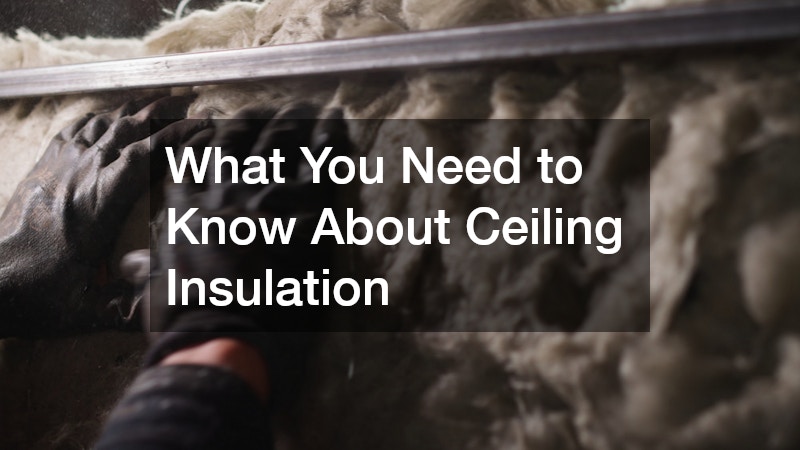
Ceiling insulation is one of the most effective ways to improve the comfort and energy efficiency of your home. In Australia’s varied climate, from hot summers to chilly winters, a well-insulated ceiling plays a critical role in maintaining stable indoor temperatures and reducing energy use.
At its core, insulation works by slowing the transfer of heat between your living spaces and the roof cavity. During summer, it reduces the amount of heat entering your home. In winter, it helps retain warmth inside.
Without adequate insulation, a significant portion of heating and cooling energy can be lost through the roof.
Below is what you need to know before installing or upgrading insulation in your ceiling space.
Why Insulation Matters
There are three main reasons homeowners invest in ceiling insulation:
- Improved comfort
-
- Reduces temperature fluctuation
- Keeps rooms cooler in summer
- Helps retain warmth in winter
- Lower energy bills
-
-
- Reduces reliance on heating and cooling systems
- Improves overall energy efficiency
- Delivers ongoing cost savings
-
- Environmental benefits
- Supports more sustainable living
- Decreases household energy consumption
- Reduces greenhouse gas emissions
Because heat rises, the ceiling is one of the most important areas to insulate. Even if your walls are insulated, inadequate ceiling coverage can significantly undermine your home’s thermal performance.
Understanding R-Values
Before choosing insulation, it’s important to understand R-values.
The R-value measures how effectively insulation resists heat flow. The higher the R-value:
- The better the thermal resistance
- The greater the energy efficiency
- The stronger the temperature control
In Australia, recommended R-values vary depending on your climate zone. Homes in cooler regions generally require higher R-values than those in milder climates. Exceeding the minimum standard can further improve comfort and reduce energy costs over time.
When comparing products, always check:
- The total R-value (not just the material thickness)
- Whether the product complies with local Standards
- Suitability for your specific climate zone
Types of Insulation for Your Ceiling
There are several insulation materials commonly used in homes. Each has different performance characteristics and price points.
Bulk Insulation
Bulk insulation works by trapping air within its structure to slow heat transfer.
Common types include:
- Glasswool batts
- Affordable
- Widely available
- Easy to install
- Polyester batts
- Non-itch
- Made from recycled materials
- Low allergen
- Rockwool (mineral wool)
- Excellent fire resistance
- Strong acoustic properties
- High density
Reflective Insulation
Reflective insulation uses foil layers to reflect radiant heat away from living spaces.
- Particularly effective in hot climates
- Often installed with an air gap
- Commonly used in combination with bulk insulation
Spray Foam Insulation
- Expands to fill gaps and cracks
- Provides an air seal as well as insulation
- Typically installed by professionals
The right choice depends on your budget, climate, roof design and whether you’re retrofitting or building new.
Professional Installation vs DIY
Many homeowners consider installing insulation themselves. While DIY installation can reduce upfront costs, it’s important to weigh the risks.
Benefits of Professional Installation
- Ensures correct R-value coverage
- Minimises gaps and compression
- Meets building code requirements
- Reduces safety risks in roof cavities
Risks of DIY Installation
- Working around electrical wiring
- Exposure to dust and fibres
- Improper fitting that reduces performance
- Missing safety clearances around downlights
Roof spaces can be hot, confined and hazardous. If you’re unsure, hiring a licensed installer is often the safer and more effective option.
Common Installation Mistakes to Avoid
Proper installation is just as important as choosing the right product. Even high-quality materials can underperform if installed incorrectly. Avoid these common mistakes:
- Compressing insulation
-
- Reduces trapped air
- Lowers the effective R-value
- Leaving gaps between batts
- Allows heat to bypass insulation
- Reduces overall performance
- Blocking ventilation
- Can lead to condensation
- Increases the risk of mould and moisture damage
- Ignoring safety clearances
- Particularly around recessed lights and exhaust fans
- May create fire hazards
Insulation should sit snugly between joists without being squashed. It should fully cover the ceiling area, including corners and hard-to-reach spaces.
Long-Term Benefits & Payback
Insulation is often considered one of the most cost-effective energy upgrades you can make.
Over time, benefits may include:
- Reduced heating and cooling costs
- Increased home comfort
- Improved indoor temperature stability
- Better acoustic performance
- Potential boost to property value
Many homeowners find the savings on energy bills help offset installation costs within a few years. In some states and territories, rebates or energy efficiency incentives may also be available.
Insulation is a practical investment in comfort, efficiency and sustainability. By understanding R-values, material options and correct installation methods, you can make informed decisions that improve your home’s performance year-round.
Whether you’re building new, renovating or upgrading an older property, ensuring your ceiling insulation is properly selected and installed can deliver lasting benefits for both your household budget and the environment.