Why Accessible Design Matters in Today’s Homes
Creating a home that accommodates the needs of a family member with mobility challenges requires more than just physical adjustments—it requires empathy, planning, and a commitment to safety. An accessible home promotes confidence, independence, and comfort, allowing loved ones to move freely without fear of injury or frustration.
Whether it’s an elderly parent moving in, a recovering family member, or someone living with a lifelong disability, thoughtful design can transform an ordinary house into a secure, functional, and welcoming environment. Small modifications like adding ramps, widening doorways, or upgrading bathrooms can dramatically improve daily life while maintaining the home’s aesthetic appeal.
This guide explores practical remodeling strategies for every part of the home—inside and out—to make it both safe and accessible. It also highlights professional services that help homeowners implement these improvements effectively.
Rethinking Home Layout for Maximum Mobility and Independence
When remodeling for accessibility, layout adjustments are often the first step. A home designed around mobility needs should prioritize ease of movement, open spaces, and barrier-free transitions that reduce physical strain and allow residents to navigate safely without assistance. An accessible layout isn’t just about space—it’s about flow, visibility, and thoughtful placement of features that make daily tasks easier and safer for everyone.
Key layout considerations include:
-
Widening doorways and hallways to at least 36 inches for wheelchair access. This width ensures wheelchairs and walkers can pass through comfortably without scraping walls or door frames. It also provides flexibility for caregivers who may need to assist. In older homes, this may require re-framing doors, which should be handled by experienced professionals familiar with structural modifications.
-
Removing raised thresholds between rooms to prevent tripping hazards. Thresholds higher than half an inch can create major obstacles. Flush transitions using tapered edging or continuous flooring materials help maintain a smooth surface throughout the home. This change also reduces wear on mobility aids like wheelchairs and scooters.
-
Opting for open-concept layouts that allow flexible furniture placement. By minimizing narrow hallways and sharp corners, open floor plans make it easier to turn and maneuver. They also improve visibility across rooms, which can be helpful for both safety and communication, especially when a caregiver or family member is assisting someone with limited mobility.
-
Lowering switches, countertops, and shelving for seated or limited-reach use. Light switches, outlets, and thermostats should be installed between 36 and 48 inches from the floor, while shelves and cabinetry should be placed within a comfortable reach range. Adjustable or pull-down shelving systems can be especially useful for maintaining independence.
These structural changes often require professional expertise to ensure the home remains both functional and compliant with local codes. Collaborating with local mason contractors helps guarantee that modifications like widening entries, leveling floors, or adding ramps are executed with precision. Masonry professionals understand the load-bearing structure of walls and can safely remove or reinforce them to accommodate new openings. They can also create smooth transitions between flooring materials—like moving from hardwood to tile—without creating height differences that could pose tripping risks. Additionally, they can install decorative yet durable ramp systems that complement the home’s aesthetic rather than making it feel institutional.
For families with attached or detached garages, garage builders play an equally essential role. An accessible garage design should include level access to the main home, whether through a gently sloped ramp or a step-free entry. Builders can integrate slip-resistant flooring materials, wider parking zones for adaptive vehicles, and motion-sensor lighting to improve visibility when entering or exiting the garage. Installing automatic or remote-operated garage doors can reduce the need for manual effort, especially for individuals with limited arm strength or dexterity.
Expanding garage space can also improve functionality. Wider bays allow room for power lifts, wheelchair storage, or side-loading vans, while sheltered loading areas provide a safe transfer point in bad weather. These spaces can double as mobility staging areas—places to store scooters, walkers, and wheelchairs without cluttering interior living areas. In new construction, garage builders can even lower the garage floor slightly or modify the slope to align perfectly with the home’s main level, eliminating the need for steps altogether.
Overall, redesigning the layout with accessibility in mind ensures that every transition, doorway, and room connection works together as part of a safe, fluid environment. By involving the right professionals early—especially local mason contractors and garage builders—homeowners can create a cohesive, barrier-free space that enhances both safety and comfort for years to come.
Outdoor Accessibility: Safe Entryways, Driveways, and Yards
An accessible home starts at the curb. Outdoor spaces must be as safe and navigable as indoor ones, especially for those using wheelchairs, walkers, or canes.
Enhancing outdoor safety includes:
-
Smooth, even pathways without cracks or dips.
-
Gradual ramp slopes that comply with accessibility standards.
-
Proper drainage systems to prevent pooling water or mud buildup.
-
Non-slip materials on driveways and walkways.
A local paving company can be a valuable partner in this phase. These professionals are skilled in designing level, slip-resistant surfaces that are both practical and attractive. They can install ramps that blend into the landscape or use contrasting colors to enhance visibility for individuals with low vision.
Meanwhile, keeping outdoor spaces clear of obstacles is equally important. Overgrown branches, fallen leaves, and uneven tree roots can become tripping hazards. Hiring a tree trimming service ensures that pathways, ramps, and entryways remain safe and visible. Proper trimming also prevents potential property damage during storms, adding another layer of home safety.
Bathroom Accessibility: Safety Meets Comfort
Bathrooms can be particularly hazardous for individuals with mobility issues due to slippery surfaces and limited space. A well-designed accessible bathroom should blend comfort, safety, and practicality.
Essential upgrades include:
-
Walk-in tubs or curbless showers that eliminate the need to step over barriers.
-
Fold-down shower seats and hand-held showerheads for easier bathing.
-
Grab bars near toilets, tubs, and showers for stability.
-
Slip-resistant tiles and ample lighting.
Water temperature is another crucial consideration. Scalding injuries are a common yet preventable hazard. Modern hot water heater installations with temperature regulators or anti-scald devices help maintain consistent, safe water levels—an especially valuable feature for users with limited sensation or slower reflexes.
Moisture and leaks can create hidden risks, from mold growth to slick floors. Partnering with a water damage restoration service allows homeowners to identify and correct hidden plumbing leaks, seal shower joints, and apply moisture-resistant materials. These services also help ensure long-term durability and reduce maintenance costs.

Kitchen Modifications for Everyday Accessibility
The kitchen is the heart of the home, but it can be one of the most challenging spaces for people with mobility limitations. Thoughtful remodeling can turn it into a safer and more functional environment.
Accessibility-focused kitchen modifications include:
-
Lowering countertops, sinks, and cooking surfaces to accessible heights.
-
Installing side-opening ovens and drawer-style dishwashers.
-
Using pull-down shelves and easy-grip handles on cabinets.
-
Ensuring ample lighting, including under-cabinet and motion-sensor fixtures.
-
Selecting non-slip flooring that is durable yet comfortable to stand on.
Involving local mason contractors can make these changes seamless. They can adjust countertop heights, widen entrances, and even remove walls to create open kitchen layouts that accommodate mobility aids.
For daily support, some families benefit from a home care service. These professionals can assist with tasks like meal prep, cleaning, and organization while offering companionship and routine care—allowing the family member to enjoy independence while staying safe and supported at home.
Creating Accessible Bedrooms and Living Spaces
Bedrooms and living rooms are where comfort and safety must coexist. These areas should be designed to allow easy movement and restful independence.
Bedroom accessibility ideas:
-
Allow at least 5 feet of clearance around the bed for wheelchair maneuvering.
-
Use adjustable-height or electric beds for easier transfers.
-
Install touch lamps, rocker switches, and remote-controlled blinds.
-
Choose low-pile carpets or slip-resistant flooring for stability.
Families supporting loved ones with cognitive impairments can also consider memory care services for expert guidance. These services help identify environmental triggers, recommend calming layouts, and suggest design adjustments that reduce confusion or wandering.
In terms of home security, responsible firearm storage is essential. A gun safe service can help install secure, accessible safes that prevent unauthorized access—an important safeguard in homes with children or family members experiencing cognitive decline. This proactive step reinforces both safety and peace of mind.
Pool and Recreation Area Safety Upgrades
Outdoor relaxation and recreation should remain accessible for everyone, including those with mobility limitations. Pool areas, however, require careful planning to prevent slips, falls, or chemical imbalances that can cause irritation.
Safety and accessibility measures include:
-
Installing pool lifts or sloped entries for wheelchair access.
-
Adding non-slip decking and textured surfaces around the pool perimeter.
-
Using contrasting tile colors for edge visibility.
-
Providing sturdy railings and wide pathways for safe movement.
Water quality also plays a role in safety and comfort. Using the best pool ph reducer ensures that the pool’s acidity levels remain balanced, preventing skin irritation and equipment corrosion. This simple yet critical step contributes to both health and long-term maintenance.
Surrounding greenery enhances the outdoor environment but also introduces potential hazards. Regular visits from a tree trimming service can prevent leaves, branches, or debris from making walkways slippery or obstructing poolside visibility. Clean, well-lit recreational spaces encourage family participation and outdoor enjoyment without compromising safety.
Adapting the Garage and Utility Areas for Accessibility
The garage and utility areas are often overlooked during remodeling, yet they are essential for safety and convenience—especially for family members who rely on mobility aids or adaptive vehicles.
Garage accessibility improvements may include:
-
Widening the entrance and installing automatic door openers.
-
Leveling thresholds and adding non-slip flooring.
-
Improving lighting and marking parking zones for easy navigation.
-
Providing sufficient clearance for wheelchairs or power scooters.
Garage builders can redesign these spaces to accommodate larger vehicles or accessible transport systems. They can also integrate ramps, handrails, or smart garage controls that allow users to operate doors remotely.
In the utility area, installing modern hot water heater installations can improve both safety and efficiency. Temperature control settings prevent accidental burns, and newer models can be placed at more accessible heights for maintenance.
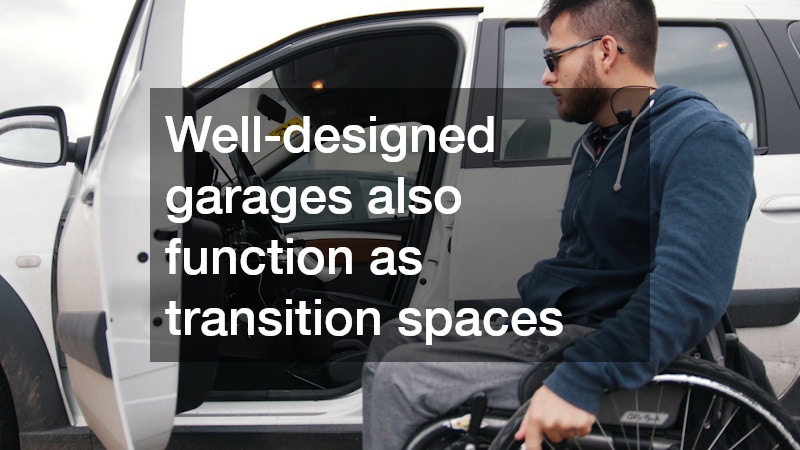
Well-designed garages also function as transition spaces between outdoor and indoor environments, helping to reduce fall risks and maintain consistent comfort across the home.
Integrating Technology and Professional Support Services
Smart home technology can significantly enhance accessibility, providing convenience and safety through automation.
Popular accessibility-oriented tech upgrades include:
-
Voice-controlled systems for lights, doors, and appliances.
-
Motion-activated lighting to reduce nighttime falls.
-
Smart thermostats that adjust automatically for comfort.
-
Remote monitoring devices that alert caregivers in case of emergencies.
Families often find that combining technology with professional care leads to the best outcomes. A home care service can work in tandem with these systems, helping individuals manage daily routines while ensuring safety. These professionals often assist with medication reminders, physical support, and companionship.
For those with cognitive decline or dementia, memory care services can offer specialized support, including environmental assessments to reduce confusion and create calming routines. These programs often advise on color-coding, signage, and sensory-friendly spaces—essential for maintaining dignity and comfort.
Maintaining Safety: Preventing Hazards and Ensuring Longevity
Once accessibility modifications are complete, maintenance becomes an ongoing priority. Over time, even small issues—like cracked pavement or hidden leaks—can compromise safety.
Recommended safety maintenance practices:
-
Schedule periodic inspections with a local paving company to repair uneven surfaces or fading textures that could become tripping hazards.
-
Conduct regular gutter and drainage checks to prevent water buildup.
-
Replace outdoor lighting fixtures as needed to ensure consistent illumination.
Inside the home, unnoticed moisture can lead to dangerous mold or rot. Partnering with a water damage restoration service ensures early detection and correction of leaks or plumbing issues. Regular maintenance not only preserves structural integrity but also maintains air quality and overall health.
Additional tips for ongoing safety:
-
Reassess accessibility features every few years as mobility needs evolve.
-
Update assistive technology to match the latest standards.
-
Perform seasonal safety checks—especially before rainy or cold weather.
-
Keep an emergency plan accessible to all household members.
By staying proactive, homeowners can preserve both the function and beauty of their accessible home for decades.
Building a Home That Supports Every Stage of Life
A safe and accessible home is more than just a collection of ramps and grab bars—it’s a living space designed to support independence, comfort, and dignity. When families invest in thoughtful remodeling, they create an environment that adapts gracefully to changing needs, ensuring that every member can thrive in place.
True accessibility balances aesthetics, practicality, and care. It involves cooperation among professionals, caregivers, and loved ones, all working together to make the home both welcoming and secure. From outdoor design to interior technology, each improvement contributes to a sense of safety and belonging.
By viewing accessibility as a long-term investment rather than a quick fix, families can create spaces that empower—not limit—the people who call them home.