Small kitchens and bathrooms often come with big frustrations—limited storage, tight movement, and a constant battle against clutter. But compact doesn’t have to mean cramped. With thoughtful remodeling strategies, even the smallest spaces can feel open, efficient, and surprisingly luxurious.
The difference between a space that feels restrictive and one that feels refined usually comes down to planning, not square footage. By prioritizing smart layouts, multifunctional elements, and cohesive design choices, you can dramatically improve both usability and visual appeal. Whether you’re planning a full remodel or incremental upgrades, the ideas below are designed to help you make decisions that truly maximize your space.
Optimize Layout Before You Spend on Materials
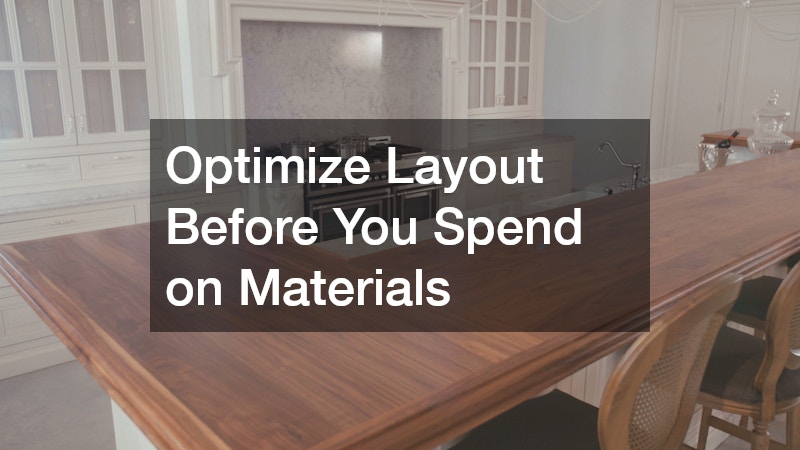
The layout is the backbone of any successful remodel, especially in compact spaces where every inch matters. Before you invest in finishes, fixtures, or décor, take a close look at how your current layout functions. Are there bottlenecks? Do cabinet doors collide? Is there enough clearance to move comfortably? These seemingly small issues can have a major impact on how usable your space feels day-to-day.
A skilled remodeling contractor can help you identify opportunities to rework the layout in ways you might not initially consider. For example, shifting plumbing slightly could allow for a more efficient sink placement, or removing a partial wall could improve flow between spaces. Even subtle changes—like reversing a door swing or repositioning appliances—can free up valuable room.
When analyzing your layout, consider how you actually use the space. Think about your daily routines: where you prep food, how you move between zones, and what areas feel congested. This practical perspective helps ensure your remodel supports real-life use rather than just visual appeal.
Here are key layout principles to guide your planning:
- Keep frequently used items within easy reach
- Avoid overlapping work zones in tight areas
- Maintain clear walkways
- Group related functions together (e.g., prep near sink)
Once your layout is optimized, everything else—from storage to finishes—will work more effectively. A well-planned layout reduces stress, saves time, and makes even the smallest space feel purposeful and comfortable.
Use Vertical Storage to Free Up Floor Space
In compact kitchens and bathrooms, floor space is precious. When you run out of room horizontally, the only direction left is up. Vertical storage allows you to expand capacity without crowding your walking area, making the room feel more open and organized.
Extending kitchen cabinets all the way to the ceiling is one of the most impactful upgrades you can make. Standard cabinets often leave unused space above them, which collects dust and visually shortens the room. Full-height cabinetry not only increases storage but also draws the eye upward, creating a sense of height.
Bathrooms can benefit just as much from vertical thinking. Tall linen cabinets, wall-mounted shelves, and recessed niches provide storage without taking up valuable floor space. Even narrow gaps between fixtures can be transformed into slim storage units for toiletries or cleaning supplies.
To make vertical storage effective, focus on accessibility as well as capacity. Items you use daily should be easy to reach, while less frequently used items can be stored higher up. Incorporating features like pull-down racks or step stools can help you use upper areas more comfortably.
Consider integrating these vertical solutions:
- Floating shelves for everyday essentials
- Wall-mounted racks or hooks for tools and towels
- Ceiling-height cabinetry for maximum storage
- Recessed wall niches in showers or above sinks
After adding vertical storage, it’s important to be selective about what you keep. More storage doesn’t mean more clutter—it should enable better organization. A well-edited collection of items ensures your space remains functional and visually calm.
Choose Light-Enhancing Surfaces and Finishes
Light has a transformative effect on small spaces. The way surfaces reflect—or absorb—light can determine whether a room feels open and airy or closed and confined. Choosing the right materials and finishes can visually expand your kitchen or bathroom without changing its footprint.
Incorporating glass and mirrors is one of the most effective ways to amplify light. A large mirror in a bathroom can double the perceived depth of the room, while glass shower enclosures eliminate visual barriers that make the space feel segmented. In kitchens, reflective backsplashes or glossy cabinet finishes can subtly bounce light throughout the room.
Surface finish also plays a key role. Matte finishes tend to absorb light, while glossy or semi-gloss finishes reflect it. This doesn’t mean you should avoid matte entirely, but balancing finishes can help create a brighter overall environment.
To enhance light in your space:
- Use lighter tones for walls, countertops, and cabinetry
- Incorporate reflective materials like glass, metal, or polished stone
- Minimize heavy window coverings to allow natural light in
- Layer lighting sources to eliminate shadows
Once these elements are in place, proper lighting design becomes essential. Combining overhead lighting with task and accent lighting ensures that reflective surfaces are fully utilized, making the space feel larger and more inviting.
Select Durable, Space-Friendly Flooring Options
Flooring in compact areas needs to do more than look good—it must also handle heavy use while contributing to a cohesive, open feel. The wrong flooring choice can visually shrink a space or create unnecessary maintenance challenges.
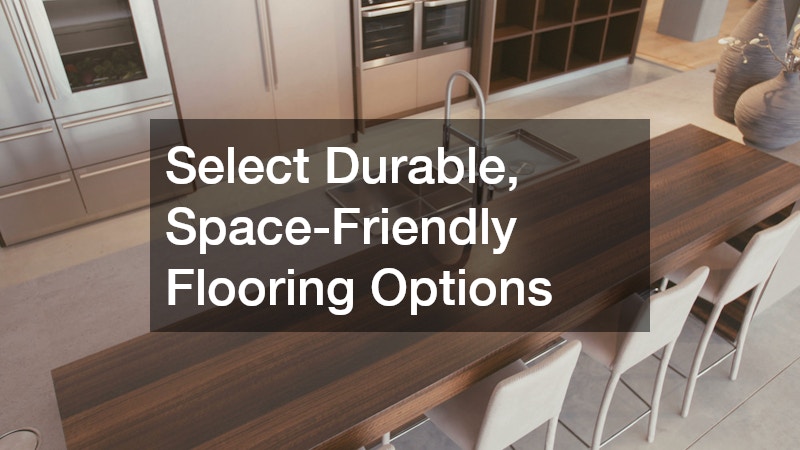
Luxury vinyl plank floors are a practical and stylish option for small kitchens and bathrooms. They offer excellent water resistance, durability, and a wide range of aesthetic options that mimic natural materials. Because they are installed in long planks, they can create a sense of continuity that makes the room appear larger.
For those who prefer a more natural look, wood floor installation can extend seamlessly from adjacent rooms into the kitchen, creating visual flow. This continuity reduces the number of transitions between spaces, which helps the overall area feel more expansive.
When selecting flooring, scale and direction matter just as much as material. Larger planks or tiles reduce the number of seams, which minimizes visual clutter. Installing flooring in the direction of the longest wall can also elongate the appearance of the room.
Keep these flooring tips in mind:
- Choose wide planks or large tiles for a cleaner look
- Maintain consistent flooring across connected spaces
- Avoid overly busy patterns that overwhelm small rooms
- Select neutral tones for long-term flexibility
After installation, maintaining a consistent flooring choice throughout adjacent areas can significantly enhance the sense of openness in your home, making compact spaces feel integrated rather than isolated.
Maximize Counter Space Without Expanding Footprint
Counter space is one of the most valuable assets in any kitchen or bathroom, yet it’s often the first thing to feel limited in compact designs. The goal isn’t necessarily to add more counters, but to make the existing space work harder and smarter.
A quartz countertop is an excellent choice for small spaces because of its durability and low maintenance. It resists stains, scratches, and bacteria, making it ideal for high-use areas. On the other hand, granite countertops offer natural beauty and unique patterns, which can add character without requiring additional decorative elements.
Beyond material selection, clever design solutions can significantly increase usable surface area. For example, integrating appliances into cabinetry frees up counter space, while fold-out extensions provide additional workspace only when needed.
To maximize your counters:
- Install pull-out or fold-down work surfaces
- Use sink covers or cutting boards that double as prep areas
- Choose compact or built-in appliances
- Keep small appliances stored when not in use
Once you’ve optimized your counter space, maintaining it becomes just as important. A clutter-free surface not only looks better but also functions more efficiently, allowing you to fully benefit from your design choices.
Incorporate Multi-Functional Fixtures and Furniture
In compact spaces, every element should justify its presence. Multi-functional fixtures and furniture help reduce clutter while increasing usability, making them essential in small kitchens and bathrooms.
Modern bathroom renovations often include vanities that combine storage, sinks, and even lighting into a single unit. These integrated designs eliminate the need for separate pieces, freeing up space and simplifying the overall layout. In kitchens, islands or carts with built-in storage and seating can serve multiple purposes simultaneously.
The key to successful multi-functionality is simplicity. Each element should enhance convenience without adding complexity. If a feature is difficult to use or access, it may end up being underutilized.
Examples of multi-functional solutions include:
- Storage benches or seating with hidden compartments
- Fold-out tables or counters
- Mirror cabinets with built-in storage
- Appliances that combine multiple functions
After incorporating these elements, evaluate how they fit into your daily routine. The best designs feel intuitive and effortless, making your space more enjoyable to use.
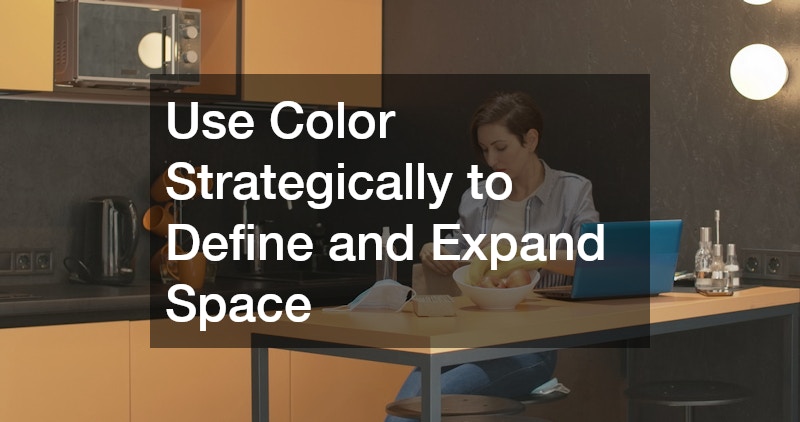
Use Color Strategically to Define and Expand Space
Color can dramatically influence how large or small a room feels. In compact kitchens and bathrooms, a thoughtful color strategy can create the illusion of more space while adding personality.
Professional interior painters can help ensure that your color choices are applied cleanly and consistently, which is especially important in small areas where imperfections are more noticeable. Light, neutral tones tend to reflect more light and create a sense of openness, while subtle contrasts can add depth without overwhelming the space.
Using a consistent color palette across walls, cabinetry, and trim can blur boundaries and make the room feel larger. Introducing contrast through small accents—like hardware or décor—adds interest without disrupting the overall flow.
To use color effectively:
- Stick to light, cohesive color schemes
- Use contrast sparingly and intentionally
- Extend colors across adjacent spaces for continuity
- Highlight architectural features with subtle variations
After painting, consider how your lighting interacts with your color choices. Natural and artificial light can alter how colors appear, so small adjustments may further enhance the desired effect.
Improve Storage with Custom-Fit Solutions
Standard storage solutions often fall short in compact spaces, leaving awkward gaps and underutilized areas. Custom-built options allow you to maximize every inch, tailoring storage to your specific needs and layout.
A custom closet system can be adapted for use in kitchens, bathrooms, or nearby areas, helping redistribute storage and reduce clutter in your main space. Custom drawers, pull-outs, and organizers make it easier to access items and keep everything in its place.
The advantage of custom storage lies in its precision. Instead of working around generic dimensions, you can design solutions that fit perfectly into corners, under sinks, or along narrow walls.
Consider these custom storage upgrades:
- Pull-out pantry shelves for tight spaces
- Corner units that maximize difficult angles
- Built-in drawer organizers for efficiency
- Vertical storage for trays, lids, or cutting boards
After installation, organization becomes key. Even the best storage system requires thoughtful use to remain effective, so take time to assign a place for each item.
Upgrade Fixtures for a Sleeker, Smaller Footprint
Large, bulky fixtures can dominate a small space, making it feel even more confined. Replacing them with streamlined alternatives can free up both physical and visual space.
In bathroom renovations, wall-mounted sinks and toilets are particularly effective because they expose more floor area, creating a sense of openness. In kitchens, compact fixtures and integrated appliances help maintain a clean, uncluttered look.
Scale is critical when selecting fixtures. Oversized elements may look impressive in a showroom but can overwhelm a compact room. Choosing appropriately sized pieces ensures balance and functionality.
To achieve a sleeker look:
- Opt for wall-mounted or floating fixtures
- Choose minimalist designs with clean lines
- Replace bulky hardware with streamlined options
- Keep finishes consistent for a cohesive appearance
After upgrading fixtures, ensure they align with the rest of your design. Consistency in style helps maintain a harmonious and spacious feel.
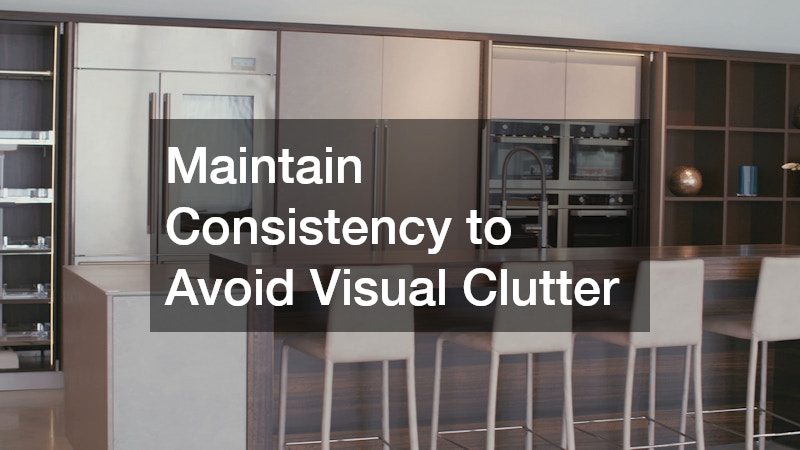
Maintain Consistency to Avoid Visual Clutter
In small spaces, too much variation can quickly become overwhelming. Mixing multiple styles, colors, and materials may seem appealing, but it often results in visual clutter that makes the room feel smaller.
Consistency creates a sense of order and flow, which is essential in compact kitchens and bathrooms. Using a limited palette of materials and finishes helps unify the space and reduce visual distractions.
Repeating key elements—such as colors, textures, or hardware—throughout the room reinforces cohesion. This doesn’t mean the space has to be boring; subtle variations can add interest without disrupting harmony.
To maintain consistency:
- Limit the number of materials and finishes
- Use a cohesive color palette throughout
- Repeat design elements for continuity
- Avoid overly busy patterns
After establishing a consistent design, you can introduce personality through small, easily changeable accents like textiles or décor. This approach keeps the space fresh without compromising its overall balance.
Remodeling a compact kitchen or bathroom is an opportunity to rethink how space works for you. With careful planning, smart material choices, and a focus on functionality, even the smallest rooms can become efficient, comfortable, and visually appealing.
By approaching each decision with intention and prioritizing both form and function, you can transform limited square footage into a space that feels anything but small.