Ensuring your home remains comfortable throughout the year is a top priority for any Pacific Northwest homeowner. In our region, where the weather can swiftly shift from crisp, rainy autumn mornings to unexpectedly warm summer afternoons, a well-functioning heating, ventilation, and air conditioning system is absolutely essential. When your system starts acting up—whether it is blowing lukewarm air, making strange clanging noises, or refusing to turn on at all—the pressure to fix it quickly can lead to hasty decisions. However, rushing into a hiring decision can result in shoddy workmanship, inflated costs, and recurring mechanical issues. Selecting the right professional ensures your system is handled with care, saving you money and stress down the line.
This comprehensive guide walks you through the best practices for finding, vetting, and choosing the perfect technician to handle your HVAC repair in Seattle.
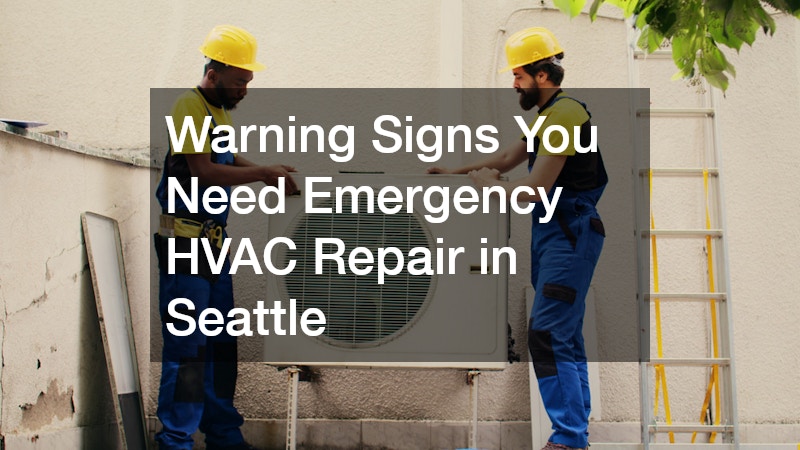
Recognizing the early indicators of a failing system can mean the difference between a simple fix and an expensive, full-system replacement. Here are the most critical warning signs that you should look out for.
Total Loss of Heating or Cooling During Extreme Weather
The most obvious sign that you are facing a mechanical emergency is when your system completely shuts down during a period of extreme weather. While our local climate is generally mild, sudden winter freezes or summer heatwaves put immense strain on older mechanical components. If your furnace fails when temperatures drop below freezing, or your air conditioner cuts out during a record-breaking summer afternoon, it poses more than just an inconvenience. For vulnerable individuals, including infants, the elderly, or those with underlying health conditions, a lack of climate control can quickly become a serious safety hazard. When a total system failure occurs during these peak weather events, you cannot afford to wait days for a standard service appointment; you need to contact a professional immediately.
Weak Airflow and Lukewarm Temperatures
If you turn on your system and notice that the air coming out of your vents is barely moving, or that it is the completely wrong temperature, your system is crying out for help. Weak airflow often indicates a failing blower motor, a severely clogged filtration system, or deeply blocked ductwork. Similarly, if your furnace is blowing cool air or your air conditioner is pumping out warm air, the underlying issue could range from a malfunctioning compressor to a failing ignition system. Ignoring these symptoms forces your system to run continuously as it tries to reach the desired temperature on your thermostat. This constant operation leads to massive energy bills and accelerates the wear and tear on vital components, making it crucial to secure prompt HVAC repair in Seattle before the system burns out completely.
Strange and Loud Mechanical Noises
While every climate control system makes a gentle humming sound when it cycles on and off, loud or unfamiliar noises are a clear sign of internal trouble. If you begin hearing screeching, squealing, clanging, banging, or rattling noises coming from your basement, attic, or outdoor unit, pay close attention. A screeching sound often points to a worn-out blower belt or failing motor bearings, while clanging or banging usually indicates that a major internal component has broken loose and is damaging other parts. Turning off your system immediately when you hear these sounds can prevent a minor component failure from escalating into catastrophic mechanical destruction that requires a complete system replacement.
Frequent and Short System Cycling
A healthy heating and cooling system should run through consistent, predictable cycles to maintain a steady temperature throughout your home. If you notice that your unit is constantly turning on and off every few minutes, it is experiencing a phenomenon known as short-cycling. This issue can be caused by a variety of hidden problems, such as a malfunctioning thermostat, a failing electronic control board, or restricted airflow within the system. Short-cycling places an enormous amount of stress on the compressor and start-up components, drastically shortening the overall lifespan of your equipment. Addressing this issue early protects your long-term investment.
Persistent, Strange Odors from the Vents
The air circulating through your home should always be clean and odorless. If you detect unusual smells when your system boots up, you need to investigate immediately. A musty, damp odor usually points to mold or mildew growth inside the ductwork or on the evaporator coils, which can severely compromise your indoor air quality and trigger respiratory issues. Even more concerning is a sharp burning smell, which indicates electrical overheating or a failing motor. If you smell rotten eggs or sulfur and you utilize a natural gas furnace, this is a sign of a dangerous gas leak or a cracked heat exchanger. In the case of a suspected gas leak, evacuate your home immediately, call emergency services, and then arrange for an expert to manage the necessary HVAC repair in Seattle.
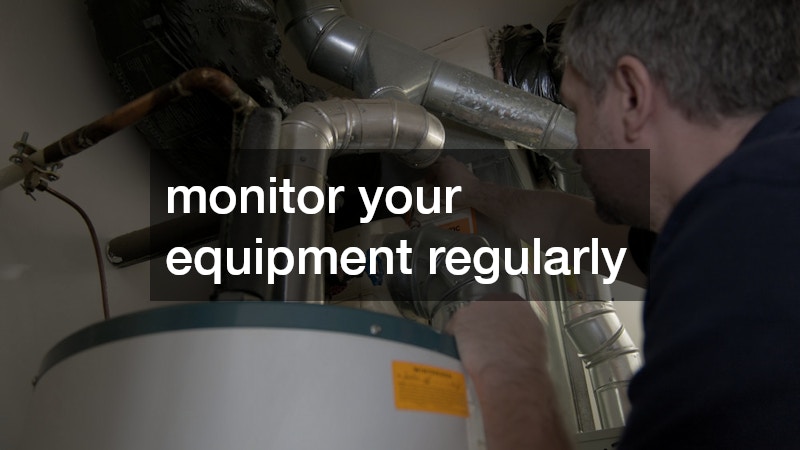
Familiarizing yourself with these warning signs allows you to act decisively before a minor mechanical glitch transforms into a costly, full-scale household emergency. By paying close attention to changes in airflow, unusual noises, unexpected energy costs, and unusual odors, you can protect both your financial investment and your family’s comfort. Don’t wait for your system to give out entirely during the peak of winter or summer; stay proactive, monitor your equipment regularly, and establish a relationship with a trusted local professional to keep your home running safely and efficiently all year long.