Outdoor improvements can make a property easier to use, safer to navigate, and more appealing from the street. However, fencing, landscaping, and construction projects often affect the same areas of land. Installing a new fence before correcting drainage, for example, may require removing recently completed work. Likewise, adding a patio without considering gate access can create inconvenient routes for residents, visitors, or maintenance crews.
The most successful exterior projects begin with a practical plan. Property owners should identify how each space functions, where privacy or security matters, and which existing features need repair. Measurements, local regulations, underground utilities, and long-term maintenance requirements all influence the order of work. A coordinated approach helps avoid conflicts between contractors while making better use of available space and resources. A project timeline can also reveal where temporary access, weather delays, or shared equipment could affect work. That information is especially valuable when multiple trades are scheduled around an occupied home or active business.
Instead of treating each improvement as an isolated purchase, consider how fencing, grading, trees, retaining walls, and gathering areas work together. The following projects offer a useful framework for improving residential yards, shared facilities, and commercial grounds without overlooking essential preparation.
Assessing Property Needs Before Beginning Construction
Begin by walking the property and recording problems that affect daily use. Look for pooling water, damaged fencing, overgrown vegetation, uneven walking surfaces, and areas where people regularly take unintended shortcuts. Photographs and rough measurements can help establish priorities before any contractor visits the site. For larger properties, note delivery routes, emergency access points, and spaces that require equipment access.
A local fence company can help assess boundary conditions, potential fence locations, and practical options for entrances. However, property lines should be verified with an appropriate survey when their location is uncertain. Fencing contractors may also need to coordinate with utility locators, grading professionals, or municipal officials before installation begins. Never assume an existing fence precisely marks a legal boundary.
Rank projects according to urgency and dependency. Drainage corrections and hazardous tree work typically belong ahead of cosmetic landscaping. If a driveway will be widened, finalize that footprint before setting nearby fence posts. If outdoor seating will be added, plan comfortable access from buildings and parking areas first.
Budget planning should include more than quoted installation prices. Account for permits, site preparation, disposal, necessary repairs, and a reserve for unexpected conditions. Breaking a large project into logical phases can preserve flexibility, provided early work does not obstruct later improvements.

Selecting Fencing for Privacy and Security
Different fence styles serve different purposes, so start with the needs of the property rather than appearance alone. A backyard may call for visual privacy, while a warehouse might prioritize visibility, controlled access, and a clearly defined perimeter. Height restrictions, wind exposure, terrain, and proximity to neighboring structures can influence which options make sense.
A chain link fence is often considered for athletic areas, equipment enclosures, and property boundaries where open sightlines are useful. Its mesh construction allows visibility, and different heights or coatings may suit particular applications. Privacy slats can limit views, although they can also increase wind loading and should be evaluated with the fence design. Gate placement deserves equal attention because even a well-built perimeter fails to function smoothly without appropriate entrances.
Owners interested in a more decorative look may consult aluminum fence installers. Aluminum fencing can provide defined boundaries without fully blocking views, making it a possible choice around front yards, walkways, or certain pool areas. Pool barriers must satisfy applicable safety requirements, including rules for height, spacing, and gate operation. Decorative appearance alone does not establish compliance.
Compare maintenance expectations before choosing a material. Examine hardware quality, post foundations, finish durability, and repairability rather than focusing only on upfront costs. The right selection should suit the property’s environment, expected traffic, and anticipated use over time.
Improving Entrances With Gates and Access Controls
Fences guide movement, but gates determine how easily people and vehicles enter a property. An entrance that is too narrow can complicate deliveries, landscaping work, or emergency response. Before choosing a gate, document typical vehicle dimensions, pedestrian traffic, available clearance, and the space needed for the gate to move safely.
For facilities with multiple users, commercial fencing services may include planning for separate pedestrian and vehicle entrances, secure storage areas, and equipment yards. Appropriate layouts depend on business operations, security priorities, and applicable accessibility requirements. Keeping pedestrian routes distinct from vehicle movements can reduce conflicts, particularly during busy periods.
Some properties benefit from gate operator systems that automate entry. These systems may use keypads, cards, remote controls, or other methods of authorization. They also require careful evaluation of electrical supply, safety devices, emergency release procedures, and the movement path of the gate. Automatic gates should be designed and installed in accordance with relevant safety standards, not treated as simple convenience accessories.
Plan how visitors and service providers will enter when normal access equipment is unavailable. Maintenance personnel need safe access to operators and controls, while residents or employees need clear instructions for reporting malfunctions. A gate is most useful when its security features support dependable, straightforward everyday access.
Preparing Landscaping Before Major Installations
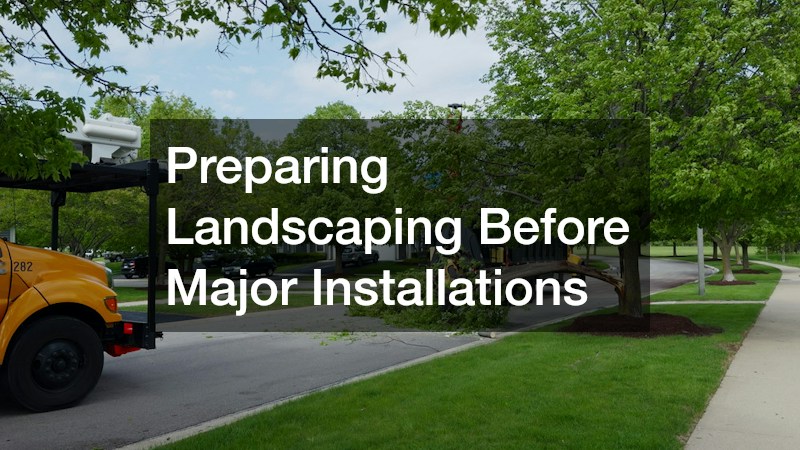
Landscaping preparation affects nearly every exterior project. Roots, stumps, soil conditions, and existing vegetation can interfere with excavation and make it difficult to establish stable foundations. Before clearing anything, identify plants worth preserving, assess erosion risks, and confirm where machinery can safely travel. Protection zones around retained trees can prevent costly damage during construction.
Professional tree removal services may be necessary when a tree is dead, structurally compromised, or directly conflicts with approved building work. A qualified professional should evaluate whether removal is warranted, especially when nearby buildings, utility lines, or public spaces increase the consequences of a mistake. Local ordinances may restrict removal of certain trees, even on privately owned property.
Clearing vegetation does not automatically solve underlying drainage issues. Disturbed soil can wash toward fences, patios, and neighboring lots if grading and erosion controls are overlooked. Contractors should establish where runoff will travel and whether the project changes existing drainage patterns. Temporary measures such as stabilized entrances or sediment barriers may be appropriate during active work.
Preserve access for future maintenance as the landscape develops. Avoid planting large shrubs directly against fence panels, enclosing utility equipment with dense vegetation, or placing irrigation components where excavation could damage them. A thoughtful planting plan balances shade and screening with the clearance needed for repairs and inspection.
Managing Slopes With Retaining Walls and Drainage
Sloped yards can create attractive landscapes, but they complicate fencing and outdoor construction. Water moving downhill can carry soil away from foundations, saturate planting beds, and leave walking paths slippery. Before building on a slope, determine whether surface grading, drainage improvements, or a structural retaining wall is actually required.
For this purpose, precast retaining walls are one option for managing grade changes and creating usable level areas. Manufactured wall components can provide a consistent appearance, but successful construction depends on proper base preparation, appropriate backfill, and drainage behind the wall. Wall height, soil conditions, nearby loads, and local rules determine whether engineering or permits are necessary. A retaining wall should never be selected by appearance alone when it must hold back substantial soil pressure.
Fence placement near a wall also requires coordination. A post installed too close to an unsupported edge may create loads the wall was not designed to carry. Similarly, excavation for fence footings could undermine a recently completed structure. A coordinated design can address these concerns before concrete is poured or materials are delivered.
Drainage outlets must direct water to suitable locations without creating problems for adjacent properties. After installation, inspect walls for movement, blocked outlets, or erosion at the base. Early attention to small changes can help protect the surrounding landscape and the improvements built above it.

Creating Outdoor Living Areas With Decks and Patios
Outdoor gathering spaces become more useful when their layout reflects how people actually move through the property. Consider the distance from indoor rooms, the location of gates, and the direction of sun exposure throughout the day. A seating area that looks attractive on a plan may be uncomfortable if it lacks shade or sits directly beside a busy entry route.
A deck contractor can evaluate elevated platforms, stair placement, guardrails, and connections to existing structures. Deck work may require permits and inspections, particularly when it involves structural supports or changes to a building. Owners should discuss load requirements, moisture management, and the maintenance needs of decking surfaces before selecting a design. Railings and stairs should meet current applicable codes rather than merely matching the home’s style.
At ground level, patio installers can advise on base preparation, surface materials, slope, and drainage. Pavers, concrete, and other hardscape surfaces have different installation and repair considerations. Proper grading helps keep water moving away from buildings and reduces the risk of puddles near doorways. Pathways between patios and gates should accommodate expected foot traffic and equipment access.
Think about lighting, furniture placement, and storage early. These elements influence where electrical conduits, planting beds, and fence openings should go. Coordinating the details before installation makes the finished space more comfortable and easier to maintain.
Choosing Materials and Coordinating Project Teams
The long-term performance of an exterior improvement depends on both installation quality and material suitability. Products that work well in a sheltered setting may deteriorate faster when exposed to heavy moisture, salt, temperature swings, or frequent impact. Compare options according to the conditions at the site and the work each product must perform.
When reviewing building materials, ask for specifications that address outdoor exposure, structural use, coatings, fasteners, and recommended care. Verify that selected components are compatible. For example, fasteners and connectors should be appropriate for the lumber and environmental conditions involved. Substituting a different component without review can affect a structure’s performance even when the replacement looks similar. Request written details about expected lead times and replacement parts. Those details are useful for gates and specialty finishes that may require matching components several years after installation.
Multiple contractors should work from a consistent site plan. Provide everyone with the same information about boundaries, drainage, utilities, finished elevations, and access routes. Clarify which trade will complete excavation, remove debris, restore landscaping, and address damage caused during installation. Written scopes reduce the likelihood of gaps between individual contracts.
Scheduling matters as much as material selection. Heavy equipment generally needs access before narrow gates, delicate planting beds, or finished walking surfaces restrict movement. Confirm delivery locations and protect existing improvements along haul routes. Before approving final payment, inspect completed work against the agreed scope and collect any relevant care instructions or warranties.
Maintaining Improvements and Planning Future Upgrades
Exterior improvements continue to demand attention after construction ends. Seasonal inspections can identify loose fence hardware, drainage obstructions, damaged deck boards, and shifting patio surfaces while repairs remain manageable. Keep a simple record of inspection dates, observed issues, and completed maintenance so recurring problems become easier to recognize.
For fencing, check gates for smooth operation and confirm that latches close securely. Look for leaning posts, corrosion, or gaps caused by soil movement. Around automated entrances, follow the manufacturer’s maintenance schedule and arrange qualified service when safety equipment fails or the gate behaves unpredictably. Never bypass protective devices to keep an unreliable system operating.
Landscaped areas need similar monitoring. Trim vegetation that rubs against fences, keep drainage pathways clear, and inspect soil near retaining walls after substantial rain. On decks and patios, address standing water, loose components, and uneven surfaces before they create hazards. Cleaning methods should follow the recommendations for each material to avoid damaging protective finishes.
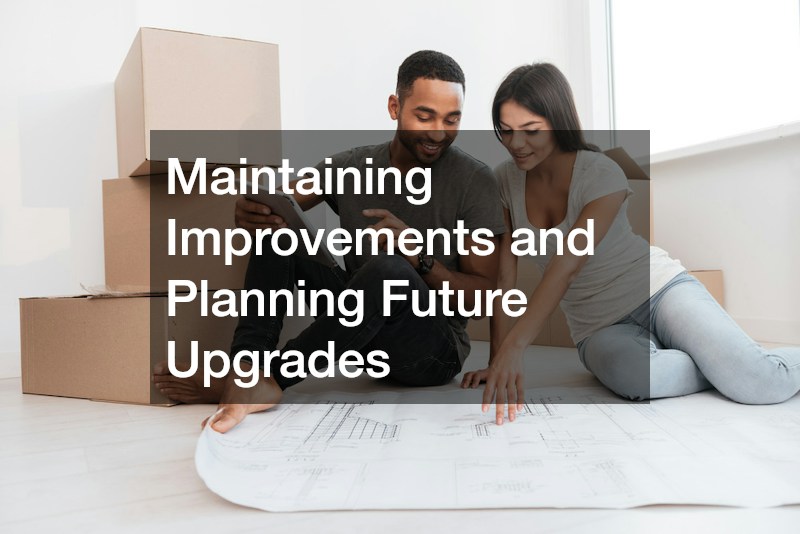
Future improvements are easier when the original layout leaves room to adapt. Property owners might eventually need a wider entrance, an additional walkway, or a different use for part of the yard. Save drawings, permits, product information, and contractor contact details for reference. These small choices reduce avoidable future disruptions. By treating maintenance and future access as part of the initial design, owners can create outdoor spaces that remain functional as their needs change.