
The comfort you feel in your home every day, from the temperature in each room to the ease of finding a place to drop your muddy boots, comes down to a series of choices you may never think twice about. Materials and equipment age, break down, and need upgrades, and the decisions you make at those moments ripple through your daily routine for years. Whether you are planning a renovation or simply trying to keep your systems running smoothly, understanding how these choices connect to comfort can save you money and frustration. This guide walks through the major systems and features that quietly shape how your home feels and functions.
Indoor Temperature Control and Routine Maintenance

Your heating and cooling system works harder than almost anything else in your house, cycling on and off daily to keep temperatures steady regardless of what is happening outside. Over time, dust, worn parts, and low refrigerant levels can quietly reduce efficiency, making rooms feel stuffy or unevenly heated. Scheduling regular AC service before the peak of summer helps catch these small issues before they become expensive breakdowns. A well-maintained system also uses less energy, which translates directly into lower utility bills and more consistent comfort throughout the house.
Beyond comfort, routine maintenance extends the life of expensive equipment and protects the manufacturer warranty on many units. Skipping service appointments for several years is one of the most common reasons systems fail earlier than expected.
- Replace or clean air filters every one to three months
- Keep outdoor condenser units clear of leaves and debris
- Listen for unusual noises like grinding or rattling
- Schedule a professional checkup each spring and fall
Choosing Between Repair and Full System Replacement
At some point, every homeowner faces the question of whether to fix an aging system or invest in something new. Reputable AC companies can walk you through the tradeoffs, but understanding the basics yourself helps you make a confident decision rather than a rushed one. Generally, if a unit is more than ten to twelve years old and repair costs exceed a third of a replacement price, replacement tends to be the smarter long-term investment.
Newer systems are often significantly more energy efficient, which means lower monthly bills even after accounting for the upfront cost. It also helps to get quotes from more than one provider, since pricing and recommended equipment can vary widely depending on your home’s size and layout.
- Compare the age of your current system to its expected lifespan
- Ask for energy efficiency ratings on any replacement options
- Request a written estimate that breaks down labor and parts
- Consider financing options if upfront cost is a barrier
Switching to a Heat Pump for Year Round Efficiency
Heat pumps have become a popular alternative to traditional furnace and air conditioner combinations because they handle both heating and cooling with a single piece of equipment. A heat pump replacement can be a smart move for homeowners looking to reduce their carbon footprint while also simplifying maintenance to one system instead of two. Modern heat pumps work efficiently even in colder climates, a big improvement over older models that struggled once temperatures dropped significantly.
The upfront investment is often higher than a standard furnace, but many homeowners recoup the difference through lower energy bills over several years. It is worth discussing sizing carefully with a contractor, since an undersized or oversized unit will not perform as expected.
- Ask about cold climate rated heat pump models if you live in a northern region
- Check for available rebates or tax incentives in your area
- Confirm your ductwork is compatible or budget for modifications
- Compare the unit’s SEER and HSPF ratings against your current system
Protecting Your Roof Against Weather and Age

Your roof is your home’s first line of defense against rain, snow, wind, and sun, and even minor damage can lead to leaks that affect insulation, drywall, and indoor air quality. Experienced roofers can spot early warning signs like cracked flashing or granule loss on shingles long before they turn into a major leak. Catching these issues early is almost always cheaper than dealing with water damage after the fact.
Most asphalt shingle roofs last between twenty and thirty years, but factors like ventilation, climate, and installation quality can shorten or extend that window considerably. A yearly inspection, especially after severe storms, is one of the simplest ways to protect the rest of your home’s comfort and structural integrity.
- Look for missing, curling, or cracked shingles after storms
- Check your attic for signs of moisture or daylight coming through
- Clean gutters regularly to prevent water backup under the roofline
- Address small leaks immediately rather than waiting
Building an Outdoor Living Space That Lasts
Outdoor living areas have become an extension of the home’s everyday comfort, giving families a place to relax without the upkeep of a traditional wood deck. A skilled trex deck builder can help you design a composite deck that resists warping, fading, and rot far better than natural lumber. Composite materials also require far less maintenance, meaning no annual staining or sealing to keep the surface looking fresh.
While the upfront cost of composite decking is typically higher than pressure treated wood, the reduced maintenance and longer lifespan often make it the more economical choice over a decade or more. Choosing the right builder also matters, since proper spacing, ventilation, and fastening techniques affect how well the deck holds up to weather and daily use.
- Ask about warranty coverage on both materials and labor
- Compare composite board colors and textures in person before deciding
- Confirm the builder pulls proper permits for your municipality
- Factor in railing and lighting options during the design phase
Organizing Entryways With Smart Storage Solutions
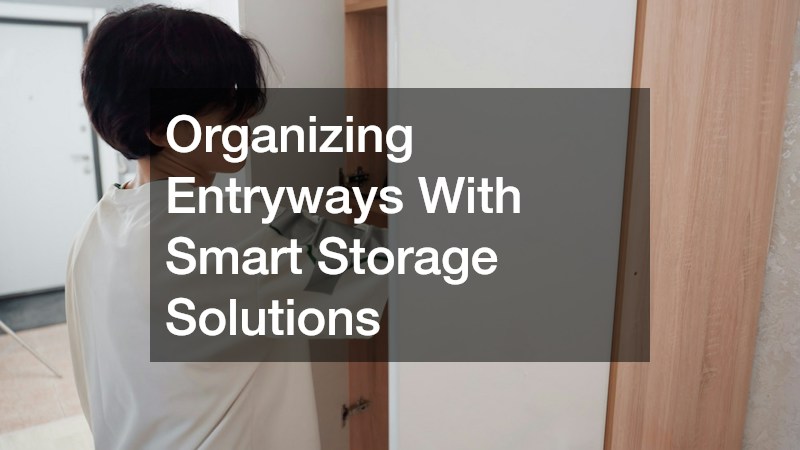
The entry point of your home sets the tone for how organized the rest of the house feels, and a cluttered mudroom or hallway can create daily frustration before you even get through the door. Custom mudroom cabinets give every family member a designated spot for shoes, coats, backpacks, and sports gear, cutting down on the clutter that tends to pile up near entryways. Thoughtful storage design also makes cleaning easier, since items have a home instead of being scattered across floors and countertops.
When planning this kind of storage, think about your household’s specific routines rather than copying a generic layout. A family with young children might prioritize low hooks and bench seating, while a household with more outdoor gear might need deeper cabinets for boots and equipment.
- Include a mix of open hooks and closed cabinets for flexibility
- Add a bench for sitting while putting on or removing shoes
- Use labeled bins for smaller items like gloves and hats
- Choose durable, easy to clean materials given high foot traffic
Managing Job Site Logistics During Home Renovations
Any significant renovation project, whether it is a kitchen remodel or a full addition, requires careful planning beyond just materials and labor. Job site logistics can quietly make or break a project’s timeline, especially when crews are on-site for weeks at a stretch and need reliable access to tools, materials, and basic facilities. If you have a crew on site for multiple weeks, arranging a construction porta potty rental keeps the project running smoothly without workers needing to interrupt their schedule or use facilities inside your home. Most rental companies offer standard units for shorter jobs and upgraded options, like hand-sanitizing stations or deluxe restroom trailers, for larger crews or extended timelines. Placement matters too: units should be positioned close enough to the work area for convenience but far enough to avoid blocking driveways, deliveries, or neighbors’ sightlines. This small logistical detail is often overlooked by homeowners but matters a great deal to contractors managing a busy job site. Beyond restrooms, think about where dumpsters, material deliveries, and worker parking will go so the property stays accessible for your own family throughout the project. Addressing these details upfront in the project contract or walk-through conversation can prevent delays, miscommunication, and unnecessary stress once work gets underway.
Planning ahead for these practical details also helps keep your project on schedule, since delays caused by missing equipment or amenities can add unexpected days to a timeline. A dumpster that fills up too quickly, a lack of parking for subcontractors, or no clear spot to stage materials can bring work to a halt even when the crew is ready to go. Small oversights like these are easy to prevent but can be costly to fix once work is underway. Discussing site logistics with your contractor before work begins ensures everyone is on the same page about where materials, equipment, and facilities will be located throughout the project. This conversation should cover where deliveries will be dropped off, how much driveway or yard space is reserved for dumpsters and portable toilets, and which entrances crews will use to move tools and debris in and out of the house. It’s also worth asking about daily cleanup expectations and where excess materials will be stored between phases, especially for multi-week projects. For larger renovations, confirm whether a temporary power source or water shutoff plan is needed, since these details can affect both the schedule and your household’s daily routine. Addressing these questions upfront, rather than improvising once work has started, keeps the project moving efficiently and reduces friction between your family and the crew.
Selecting Countertop Materials for Daily Durability

Kitchens see more daily wear than almost any other room in the house, which makes countertop material one of the most important decisions in a remodel. Between chopping, spills, hot pans, and constant cleaning, the surface you choose needs to hold up to years of real-life use without looking tired after a year or two. Granite counters remain a popular choice because they resist scratches, heat, and stains far better than laminate, while also adding long-term value to the home. A properly sealed granite surface can handle a hot pot straight off the stove or a knife blade without flinching, which is more than most budget materials can claim. That resilience translates into real savings over time, since you’re less likely to face chips, burns, or discoloration that force an early replacement. Each slab is naturally unique, giving kitchens a distinctive look that manufactured materials cannot fully replicate. Veining, mineral flecks, and color variation mean no two installations are ever quite the same, which appeals to homeowners who want a one-of-a-kind feel. That said, granite does require occasional resealing, typically once a year, to maintain its stain resistance, so it’s worth weighing that small maintenance commitment against the durability and visual payoff it delivers.
Granite does require periodic sealing—typically once a year, though some denser stones can go two to three years between applications—to maintain its stain resistance against wine, oil, and acidic foods. The weight of the material, often 15 to 20 pounds per square foot, means proper cabinet support is essential during installation, and homeowners should confirm their cabinetry can bear that load before committing to the stone. Homeowners comparing options should also look at quartz and butcher block, since each material offers different tradeoffs between maintenance, cost, and appearance. Quartz is engineered from crushed stone and resin, which makes it non-porous and virtually maintenance-free—no sealing required—though it can be more susceptible to heat damage from hot pans than natural granite. Butcher block brings warmth and a lower price point, often $30 to $60 per square foot installed, but it demands more hands-on care, including regular oiling and prompt wipe-downs to prevent water damage or bacterial growth around the sink. Ultimately, the right choice depends on how much upkeep a household is willing to commit to versus how much durability and hands-off performance they expect from daily use.
- Reseal granite counters roughly once a year; test by splashing water on the surface and checking if it beads up or soaks in
- Avoid placing extremely hot pots directly on the surface, even on granite or quartz, since sudden temperature shifts can crack or discolor some finishes
- Clean spills promptly to prevent staining on porous areas, especially wine, coffee, and citrus juice which etch faster than water
- Use cutting boards rather than slicing directly on the counter to protect sealants and avoid dulling the surface sheen
- Compare slab samples in your actual kitchen lighting before buying, since showroom lighting can make colors and veining look noticeably different at home
- Consider maintenance time alongside looks: quartz needs no sealing, while natural stone like granite or marble requires periodic upkeep
Keeping Hot Water Reliable Throughout the Home
Few things disrupt a household’s routine faster than an unexpected cold shower or a water heater that cannot keep up with demand. Many common issues, from sediment buildup to a failing heating element, can be resolved through timely water heater repair rather than a full replacement. Catching these problems early also helps prevent more serious issues like leaks or tank failure, which can cause water damage to surrounding areas.
Tank-style water heaters typically last eight to twelve years, and performance tends to decline gradually, so paying attention to smaller changes in water temperature or pressure is worthwhile. Flushing the tank annually to remove sediment buildup is one of the simplest ways homeowners can extend the unit’s lifespan and maintain consistent hot water for showers, laundry, and dishes.
- Watch for lukewarm water or inconsistent temperatures
- Listen for popping or rumbling sounds from sediment buildup
- Check the area around the tank for signs of moisture or rust
- Have a professional inspect the anode rod every few years
Every material and piece of equipment in your home works together to create the comfort you often take for granted until something stops working as expected. Taking a proactive approach, whether that means scheduling routine maintenance, researching quality materials, or planning renovations with the right professionals, pays off in fewer surprises and a more enjoyable living space. Start by identifying which systems in your own home are overdue for attention, then tackle those projects one at a time with informed, confident decisions.