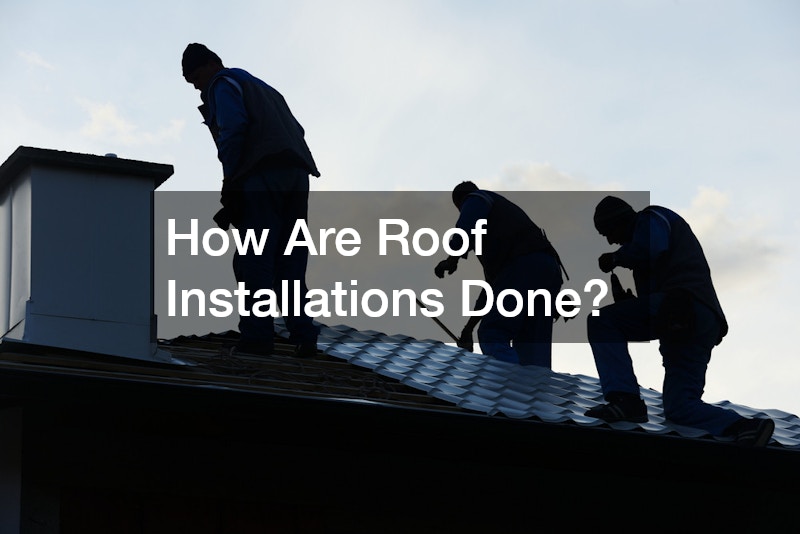
This section introduces the complex and essential process of roof installations. It provides an overview of the key steps and considerations that homeowners and contractors must keep in mind to ensure a successful and durable roofing project. Roof installation is crucial in protecting a home from environmental elements and influencing energy efficiency.
1. What Preparation is Required Before Roof Installation?
Before the actual installation begins, it is vital to conduct an initial inspection and assessment. This step involves evaluating the current condition of the roof, identifying potential issues, and determining the scope of work needed. A thorough inspection ensures that any damage or structural issues are addressed before installing a new roof, preventing future complications.
Obtaining necessary permits is a crucial step in the preparation process. This legal requirement ensures compliance with local building codes and regulations. Failing to obtain the proper permits can result in fines and delays, so it is essential for homeowners and contractors to work closely with local authorities to secure the needed documentation.
Selecting materials and style involves deciding on the best roofing materials based on factors such as climate, budget, and architectural design. Options range from traditional shingles to more modern roofing solutions like metal or green roofs. Budget planning is an integral part of this process, helping to allocate resources appropriately and prevent overspending.
Safety precautions and equipment are necessary to ensure a safe working environment. Contractors should prioritize the use of safety gear, like harnesses and helmets, to protect workers from falls and accidents. Proper training and adherence to safety protocols can significantly reduce the risk of work-related injuries.
2. What Are the Steps Involved in Removing Old Roofing?
The process of removing old roofing begins with ensuring safety measures are in place. This includes setting up scaffolding, wearing protective gear, and employing tools carefully. Attention to safety helps prevent accidents and ensures that the removal process is executed smoothly and without incident.
Removing shingles and underlayment is the next step. This involves stripping the old materials down to the roof deck, clearing all debris, and exposing any underlying structural issues. The removal process may also reveal damaged areas that require repair before new materials can be installed.
Inspecting the roof deck is a critical phase in the removal process. This inspection identifies damaged or deteriorated areas, allowing contractors to address these before proceeding. Maintaining the integrity of the roof deck is essential for the long-term performance of the new roofing system.
Addressing damaged areas involves repairing or replacing sections of the roof deck that exhibit signs of wear and tear. These repairs ensure a strong foundation for the new roofing materials, preventing potential leaks or structural failures. Proper attention to damaged areas contributes to the durability and longevity of the roof.
Cleaning and preparing the surface ensures the new roofing materials adhere properly. This involves removing any remaining debris, checking for moisture issues, and ensuring a smooth, clean surface. Proper preparation is key to successful roof installation and prevents complications during the actual roofing process.
3. How is the New Roof Installed?
Once the roof deck is prepared, the installation begins with laying underlayment. This protective layer acts as a moisture barrier, preventing water from seeping through the roofing materials and into the home. Choosing a high-quality underlayment is crucial for preventing leaks and enhancing the roof’s overall performance.
Installation of flashing is carried out to ensure that water does not penetrate areas where the roof meets vertical surfaces, such as chimneys and walls. Flashing is typically made of metal or other durable materials that can withstand harsh weather conditions. Proper installation of flashing is essential for maintaining a watertight roof structure.
Installing shingles or other roofing materials forms the visible surface of the roof. These materials are chosen based on factors like aesthetic appeal, durability, and cost. Options include asphalt shingles, metal sheets, tiles, and more, each offering unique advantages in terms of style and performance.
Sealing and insulation are critical for enhancing the roof’s energy efficiency and weather resistance. Sealing involves applying protective coatings to prevent water infiltration and improve thermal regulation. Insulation helps maintain indoor temperatures, reducing energy costs and contributing to a more comfortable living environment.
Finishing touches and quality checks are the final steps in the roofing installation process. This involves trimming excess materials, inspecting the overall quality of the installation, and addressing any final adjustments needed. Conducting thorough quality checks ensures that the new roof meets all safety and performance standards.

4. What Factors Influence Roof Installation Costs?
Several factors influence the overall cost of a roof installation project. The type of roofing material significantly affects costs due to differences in material pricing, durability, and aesthetic value. Homeowners often choose materials that balance cost with long-term performance benefits.
Roof size and pitch also play a vital role in determining costs. Larger roofs require more materials and labor, increasing overall expenses. Additionally, steeply pitched roofs may present installation challenges, requiring specialized skills and equipment that can further drive up costs.
The complexity of the installation can impact labor costs. Intricate roof designs, multiple gables, or unique architectural features may require skilled craftsmanship and additional time, contributing to higher labor expenses. Investing in experienced contractors helps ensure quality workmanship for complex installations.
Labor costs and regional variations can significantly affect roof installation budgets. Areas with higher living expenses often see increased labor rates, while regions with lower costs of living may offer more affordable services. Understanding regional pricing helps homeowners budget more accurately for their roofing projects.
Additional features such as gutters and skylights can add to the overall costs. Although these features enhance functionality and aesthetic, they require extra materials and labor for integration into the roofing system. Planning for these features during budgeting helps avoid unforeseen expenses.
5. What Maintenance is Needed After Installation?
Regular inspections are vital for maintaining the integrity and longevity of a new roof. These inspections help identify issues like wear and tear, potential leaks, or material deterioration. Early detection and repair of minor issues can prevent them from becoming major problems.
Cleaning gutters and downspouts is necessary to ensure proper drainage and prevent water accumulation on the roof. Clogged gutters can lead to water damage and contribute to roof deterioration. Regular maintenance of these components is crucial for protecting the roof and foundation.
Addressing minor repairs promptly can prevent more severe roofing issues over time. Cracks, loose shingles, and other damages should be repaired quickly to maintain the roof’s performance. Proactive maintenance helps extend the roof’s lifespan and reduces the need for costly repairs.
Preventing moss and algae growth is vital for maintaining a roof’s appearance and longevity. These growths can retain moisture and degrade roofing materials over time. Using treatments specifically designed to deter moss and algae can keep the roof clean and functional.
Impact of weather conditions on roof maintenance should not be underestimated. Different regions experience varying weather patterns, and roofs must be designed and maintained to withstand local conditions. Preparing for seasonal changes and implementing preventive measures helps protect the roof from environmental extremes.
In this conclusion, we tie together the steps of roof installations, emphasizing the importance of proper planning and ongoing maintenance to ensure longevity and effectiveness. This wraps up our detailed journey through the roof installation process, ensuring your new roof stands up beautifully and functionally against the elements. As homeowners and contractors navigate this complex project, staying informed and prepared is key to success.