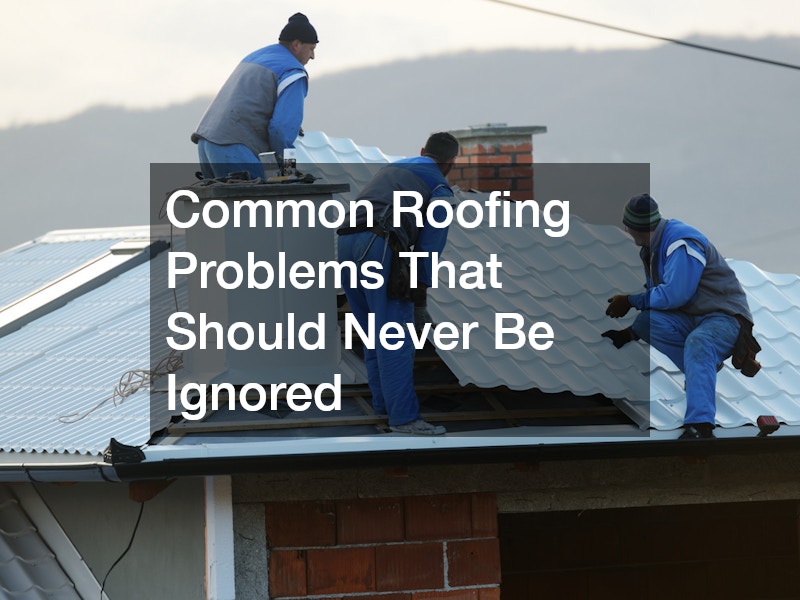
A roof is one of the most critical systems protecting a home or commercial building, yet it is often the most overlooked. Many homeowners tend to notice roofing issues only when visible damage appears inside the home, such as water stains, mold growth, or sagging ceilings. By that point, the problem has usually progressed far beyond a simple fix.
Most roofing issues start small and gradually worsen over time. A missing shingle, minor leak, or blocked ventilation point may seem insignificant at first, but these conditions can quickly evolve into structural deterioration and costly repairs. Understanding early warning signs and responding promptly can save thousands of dollars and significantly extend the lifespan of a roof.
This article explores the most common roofing problems homeowners should never ignore, along with practical guidance on how to identify, manage, and prevent them.
Early Warning Signs Most Homeowners Overlook
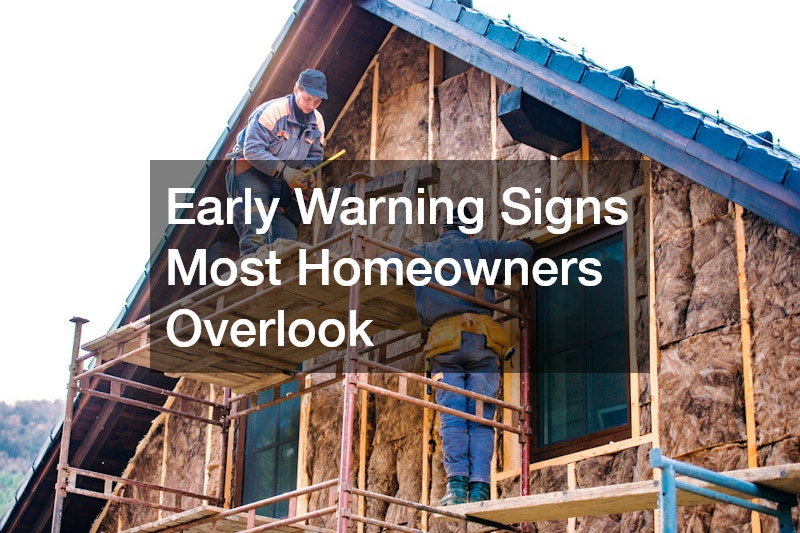
Many roofing issues begin subtly and are easy to miss without regular observation. Homeowners often assume that if there is no visible leak, the roof is functioning properly. However, damage can exist beneath the surface long before it becomes obvious. In many cases, water intrusion starts in very small entry points that slowly expand over time, especially around flashing, vents, or older shingles that have begun to loosen or dry out.
Common early indicators include:
- Discoloration on ceilings or upper walls
- Small patches of missing granules in gutters
- Slight sagging or uneven roof lines
- Musty odors in the attic
- Increased indoor humidity levels
Other subtle signs may include peeling exterior paint near the roofline, small drips during heavy rain that disappear afterward, or visible daylight coming through attic boards. These issues are often dismissed as minor inconveniences, but they can indicate deeper structural concerns that are not yet visible from the outside.
Small issues can quickly escalate if not addressed by experienced roofers who understand how to identify hidden damage. Even minor deterioration in shingles, flashing, or underlayment can lead to long-term structural problems if left untreated. In some cases, moisture can travel along roof decking and affect areas far from the original leak point, making detection more difficult without professional inspection.
Timely roof repair is essential when these warning signs appear. Early intervention can often prevent full structural replacement and reduce long-term costs significantly. Homeowners should consider scheduling inspections at least twice a year and after severe weather events to catch problems early. Consistent monitoring also helps extend the life of roofing materials and reduces the risk of emergency situations that require costly, last-minute interventions.
Flat Roof Drainage and Surface Deterioration
Flat roofing systems require specialized maintenance because they do not shed water as efficiently as sloped designs. This makes them especially vulnerable to pooling water, membrane breakdown, and hidden leaks. Unlike pitched roofs where gravity helps move water quickly off the surface, flat roofs rely heavily on properly functioning drainage systems to prevent moisture from lingering too long in one area. Even a small dip in the surface can become a collection point for standing water, which increases stress on the roofing material over time.
Common issues include:
- Ponding water after rainfall
- Cracked or blistered roofing membranes
- Clogged drainage systems
- UV damage from prolonged sun exposure
In addition to these, temperature fluctuations can cause expansion and contraction of roofing materials, which gradually weakens seams and protective coatings. Over time, this can create micro-tears that are not immediately visible but allow slow water penetration beneath the surface. Wind-blown debris can also contribute to abrasion, further accelerating deterioration in exposed areas.
Proper maintenance and timely attention from professionals offering roofing services can significantly extend the lifespan of these systems. Flat roofs must be inspected more frequently because even small drainage failures can lead to water infiltration and structural damage beneath the surface. Regular professional evaluations also help identify early signs of membrane fatigue before they develop into costly repairs or full replacement needs.
Preventative actions include:
- Regular clearing of drains and scuppers
- Inspection of seams and seals for separation
- Checking for soft spots in the roofing surface
- Monitoring after heavy rainfall events
Additional preventive steps may include applying protective coatings to reduce UV exposure and ensuring rooftop equipment is properly elevated to avoid restricting water flow. Neglecting these issues can result in widespread water damage that spreads beyond the roof itself into insulation, interior ceilings, and even structural framing, ultimately increasing repair complexity and cost significantly.
Ventilation Problems That Accelerate Roof Wear
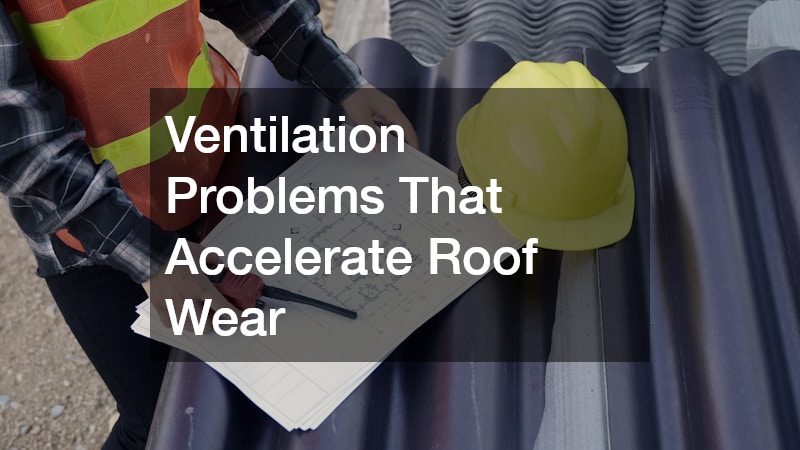
Proper ventilation plays a major role in maintaining roof health. Without adequate airflow, heat and moisture can build up in the attic space, causing materials to deteriorate faster than expected. Over time, trapped heat can essentially “bake” roofing materials from the inside out, shortening their lifespan and increasing the likelihood of premature failure. Moisture buildup is equally damaging, as it creates an environment where wood components can weaken and biological growth can thrive.
A poorly vented roof can lead to:
- Excessive attic heat during summer months
- Moisture condensation in winter
- Mold and mildew growth in insulation
- Warping or weakening of roof decking
In addition to these issues, poor ventilation can also contribute to ice dam formation in colder climates, where trapped heat melts snow unevenly and refreezes at the roof edges. This cycle can force water beneath shingles, increasing the risk of hidden leaks and interior damage that may not be discovered until it becomes severe.
These issues often go unnoticed until significant damage has occurred. Addressing ventilation problems early is a form of preventative roof repair that helps maintain structural integrity and energy efficiency. In many cases, improving airflow can also reduce strain on HVAC systems, since the home maintains a more consistent internal temperature year-round.
Homeowners can improve ventilation by:
- Ensuring soffit vents are not blocked
- Checking ridge vents for proper airflow
- Inspecting attic insulation placement
- Balancing intake and exhaust ventilation systems
It is also important to periodically inspect attic spaces for signs of uneven temperature distribution or moisture accumulation, especially after seasonal weather changes. Proper airflow not only protects the roof but also reduces cooling and heating costs throughout the year, making it one of the most cost-effective long-term maintenance strategies available.
Storm Damage and Sudden Roof Failures
Long-Term Structural Aging and Replacement Decisions
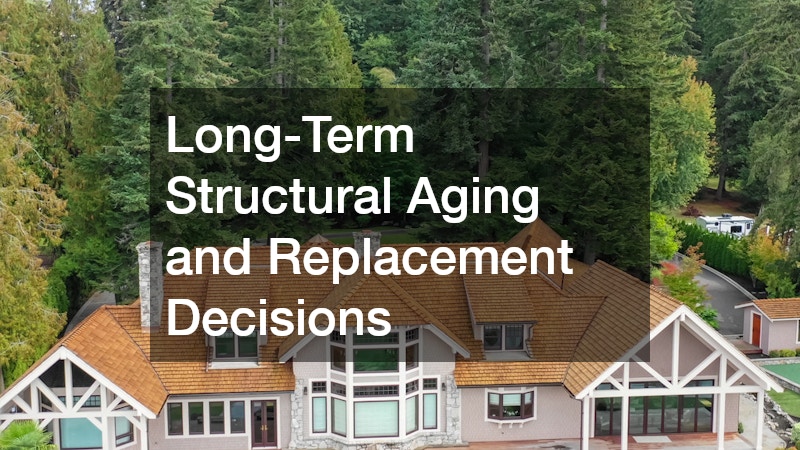
All roofing systems have a limited lifespan. Over time, exposure to weather, temperature fluctuations, and general wear leads to gradual deterioration. When damage becomes widespread, repairs may no longer be sufficient.
Common signs that indicate aging include:
- Persistent leaks in multiple areas
- Sagging or uneven roof structure
- Frequent need for patch repairs
- Granule loss across large sections
At this stage, roof replacement becomes the most practical solution. Continuing to repair an aging roof can lead to ongoing expenses without resolving the underlying issue.
Homeowners should work with a trusted residential roofer to evaluate the condition of the structure and determine the most cost-effective long-term solution. A full replacement can also improve energy efficiency and increase property value.
Metal Roofing Wear and Upgrade Considerations
Metal roofs are known for their durability, but they are not immune to wear and tear. Over time, exposure to moisture and temperature changes can lead to corrosion, fastener loosening, and seam separation.
Common concerns include:
- Rust formation on older panels
- Loose or missing fasteners
- Sealant breakdown at joints
- Noise issues during extreme weather
When damage becomes widespread, metal roof replacement may be necessary to restore protection and performance. Upgrading to modern materials can also improve insulation and reduce maintenance requirements.
Roofers often recommend periodic inspections to catch small issues before they escalate into larger structural problems. Early detection can help extend the lifespan of the system and delay full replacement.
Commercial Roof Stress and Maintenance Challenges
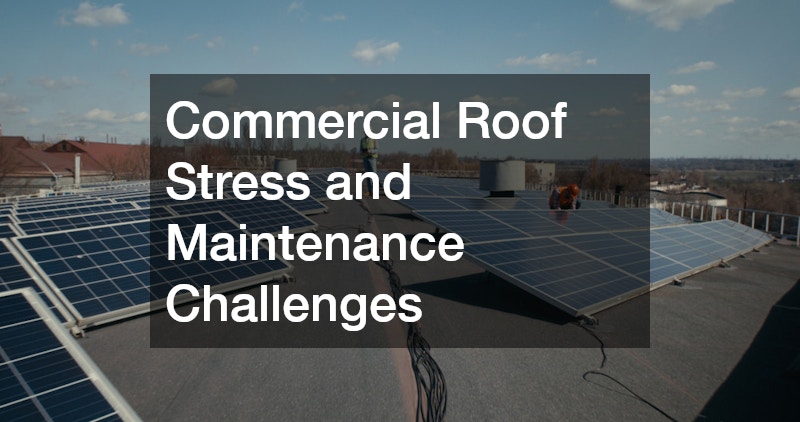
Commercial roofing systems face different challenges compared to residential structures. Larger surface areas, mechanical equipment installations, and foot traffic all contribute to faster wear and more complex maintenance needs.
Common issues include:
- Ponding water near HVAC units
- Membrane punctures from maintenance activity
- Drainage system blockages
- Thermal expansion stress
Professional commercial roofing services are essential for managing these systems effectively. Regular inspections and maintenance plans help identify problems before they disrupt business operations or lead to expensive repairs.
Preventative strategies include:
- Scheduled bi-annual inspections
- Routine drainage clearing
- Protective walk pads for high-traffic areas
- Monitoring around rooftop equipment
Choosing the Right Professional for Roofing Work
Selecting the right professional plays a major role in the quality and longevity of roofing work. Not all contractors have the same level of expertise or specialization.
A qualified residential roofer should offer:
- Verified licensing and insurance
- Experience with multiple roofing systems
- Clear written estimates and warranties
- Strong local reputation and references
Roofers with specialized training can accurately diagnose issues and recommend appropriate solutions, whether the problem involves minor leaks or full structural failure.
Homeowners should:
- Request detailed inspections before hiring
- Compare multiple service providers
- Avoid choosing based solely on price
- Ask about long-term maintenance options
Working with experienced professionals ensures that repairs are done correctly the first time, reducing the likelihood of recurring issues.
Preventative Maintenance for Long-Term Roof Health
Routine maintenance is one of the most effective ways to prevent major roofing problems. Many costly repairs can be avoided with simple seasonal inspections and upkeep.
Key maintenance practices include:
- Cleaning gutters and downspouts regularly
- Inspecting shingles after storms
- Checking attic spaces for moisture
- Monitoring flashing around roof penetrations
Scheduling regular roof repair services helps ensure small issues are addressed before they escalate. Preventative maintenance also extends the lifespan of roofing materials and improves overall home efficiency.
Additional best practices:
- Documenting roof condition annually
- Scheduling professional inspections twice a year
- Addressing minor damage immediately
- Keeping trees trimmed away from the roof
The Financial Impact of Ignoring Roofing Issues
Delaying roof maintenance or repairs can significantly increase long-term costs. What begins as a minor issue often develops into structural damage requiring extensive restoration.
Potential financial consequences include:
- Interior water damage repairs
- Mold remediation costs
- Insulation replacement
- Increased energy bills due to inefficiency
In many cases, small repairs could have prevented these larger expenses entirely. Insurance coverage may also be limited if damage results from neglect rather than sudden events.
Taking a proactive approach to roof care is not only more cost-effective but also helps preserve property value over time.
Protecting Your Home Through Timely Action
Roofing problems rarely resolve themselves. In most cases, they worsen gradually until they reach a point where repairs become more complex and expensive. Recognizing early warning signs, scheduling regular inspections, and responding quickly to damage are essential steps in maintaining a safe and durable home.
A well-maintained roof protects everything beneath it, from structural components to interior comfort. By staying proactive and addressing issues early, homeowners can avoid unnecessary costs and ensure long-term peace of mind.