Owning a home comes with ongoing responsibilities that go far beyond day-to-day cleaning or occasional decorating. Every property requires consistent care, timely repairs, and thoughtful improvements to maintain its safety, comfort, and long-term value. Many homeowners think about service professionals only when something breaks, but the most effective approach is to understand which experts to rely on before problems arise.
From structural integrity to indoor comfort and outdoor upkeep, different systems within a home require specialized knowledge. Knowing who to call—and when—can prevent small issues from turning into expensive emergencies. It also helps homeowners plan improvements more strategically, budget more effectively, and protect their investment over time.
This guide breaks down the essential home service professionals every homeowner should be familiar with, along with practical tips for evaluating, hiring, and working with them effectively.
Electrical Safety and Smart Home Efficiency
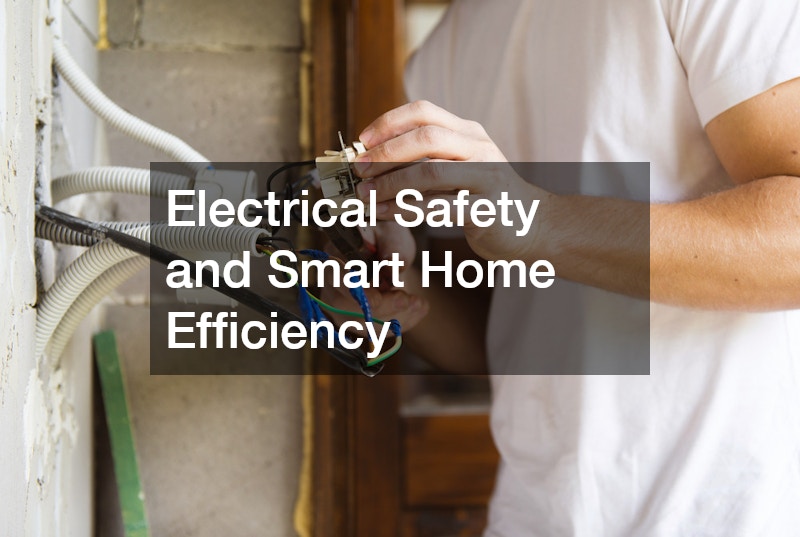
When it comes to home safety, electrical systems are one of the most critical areas to monitor. Issues often develop quietly over time, making regular inspections and upgrades essential. Unlike more visible home maintenance concerns, electrical problems can remain hidden behind walls, in panels, or within aging wiring until they become serious safety hazards. This is why proactive attention is so important for every homeowner.
Working with local electricians ensures that wiring, panels, and outlets are functioning safely and in compliance with code. Many homeowners underestimate how quickly electrical demands increase due to modern appliances, smart devices, and home entertainment systems. Homes built even 10–15 years ago may not be designed to handle today’s energy load, especially with multiple computers, charging stations, kitchen appliances, and HVAC systems operating simultaneously. A professional can assess whether your current system is properly balanced and recommend upgrades that improve both safety and efficiency.
Key situations where professional help is needed:
- Frequent circuit breaker trips
- Flickering or dimming lights
- Outdated electrical panels
- Burning smells near outlets or switches
- Lack of GFCI outlets in kitchens or bathrooms
Additional warning signs homeowners often overlook include warm outlet covers, buzzing sounds in walls, and lights that brighten or dim when appliances turn on. These subtle indicators often point to overloaded circuits or aging wiring that need attention before failure.
Actionable tips for homeowners:
- Schedule electrical inspections every 3–5 years
- Avoid overloading outlets with power strips
- Upgrade to energy-efficient LED lighting
- Install surge protection for sensitive electronics
- Ask about smart home integration options during upgrades
- Label your breaker panel clearly for easier troubleshooting
- Consider adding dedicated circuits for high-demand appliances
Taking a proactive approach to electrical maintenance improves safety and can also reduce energy costs over time. It also lays a strong foundation for smart home upgrades, enabling homeowners to integrate automation systems, security features, and energy-monitoring tools without overloading their electrical infrastructure.
Roof Protection and Long-Term Weather Resistance
Your roof is your home’s first line of defense against weather damage, making it one of the most important structures to maintain. Small roofing issues can quickly escalate into major interior damage if ignored, especially when water infiltration begins affecting insulation, drywall, and structural framing. Even minor gaps or lifted shingles can allow moisture to spread in ways that are not immediately visible inside the home.
Consulting local roofers for inspections and maintenance helps identify problems early, especially after storms or seasonal weather changes. Roof damage is not always visible from the ground, which is why professional assessments are valuable. In many cases, homeowners only notice issues after secondary damage appears indoors, which significantly increases repair costs. A trained inspection can identify weak points around flashing, vents, skylights, and valleys before they become active leaks.
Common warning signs include:
- Missing or curling shingles
- Water stains on ceilings or walls
- Granules are collecting in gutters
- Sagging roof sections
- Visible daylight through attic boards
Additional indicators that often go unnoticed include musty attic odors, uneven roof lines, and ice dam formation in colder months. These issues often signal ventilation problems or hidden moisture buildup, both of which should be addressed promptly.
Practical homeowner guidance:
- Inspect your roof visually after severe weather
- Keep gutters clean to prevent water backup
- Address minor leaks immediately
- Compare repair options versus full replacement when needed
- Document the roof condition for insurance purposes
- Check attic insulation for dampness or mold growth
- Ensure proper roof ventilation to prevent heat and moisture buildup
Regular roof maintenance extends lifespan and helps avoid costly structural repairs inside the home. A well-maintained roof also improves energy efficiency by reducing winter heat loss and minimizing summer heat gain, which can lead to lower overall utility costs and a more comfortable living environment year-round.
Managing Large Renovation Projects Efficiently

Home renovations often involve multiple moving parts, from permits and design planning to scheduling different trades. Without proper coordination, projects can become delayed, over budget, or disorganized. Even well-planned renovations can run into complications if timelines shift or materials arrive late, which is why structure and oversight are essential from the beginning.
A general contractor plays a central role in managing these complexities. They oversee subcontractors, timelines, materials, and overall project execution, ensuring everything runs smoothly. This includes coordinating inspections, managing site safety, and making sure each phase of construction is completed in the correct order. Without this level of oversight, homeowners often end up juggling multiple vendors and responsibilities themselves, which increases the risk of miscommunication and costly delays.
Before hiring, homeowners should:
- Verify licensing and insurance
- Review past project portfolios
- Check references from previous clients
- Confirm communication expectations
- Request detailed written estimates
It is also helpful to ask how they handle unexpected issues, such as supply delays or structural surprises, once walls are opened.
Helpful planning strategies:
- Establish a clear renovation scope before work begins
- Set aside a contingency budget (typically 10–20%)
- Maintain regular progress check-ins
- Document all change orders in writing
- Avoid making major design changes mid-project
- Confirm material selections early to prevent ordering delays
- Establish a realistic timeline with built-in flexibility
Working with a qualified professional helps reduce stress and ensures renovations are completed efficiently and correctly. It also improves accountability across all trades involved, leading to higher-quality results and fewer costly corrections after the project is complete.
Exterior Wall Performance and Home Efficiency
Siding plays a major role in protecting a home from the elements, pests, and moisture while also enhancing energy efficiency and curb appeal. Damaged or aging siding can lead to insulation problems and structural deterioration if left unaddressed.
Hiring siding contractors ensures proper installation and material selection tailored to your climate and home style. Different siding materials offer varying levels of durability, maintenance, and insulation performance.
Common siding materials include:
- Vinyl: low maintenance and cost-effective
- Fiber cement: durable and fire-resistant
- Wood: natural appearance but higher maintenance
- Engineered wood: balanced durability and aesthetics
Maintenance recommendations:
- Wash siding annually to remove dirt and mildew
- Inspect for cracks, warping, or gaps
- Repaint or reseal wood siding regularly
- Ensure proper caulking around windows and doors
- Address moisture issues immediately
Well-maintained siding improves both structural protection and long-term energy savings.
Outdoor Design and Property Functionality

A well-designed outdoor space enhances both the beauty and usability of a property. Landscaping is not just about appearance—it also impacts drainage, soil health, and long-term maintenance needs.
A professional landscaping company can help design functional outdoor spaces that align with the homeowner’s lifestyle while enhancing property value.
Key planning considerations:
- Sunlight exposure and shade patterns
- Soil type and drainage conditions
- Low-maintenance plant selections
- Seasonal changes and climate suitability
- Functional use of outdoor areas (relaxation, entertainment, gardening)
Actionable landscaping tips:
- Install mulch to retain moisture and reduce weeds
- Choose native plants for lower maintenance
- Incorporate drip irrigation systems for efficiency
- Design pathways to prevent soil erosion
- Plan seasonal maintenance schedules in advance
Thoughtful landscaping creates a balanced outdoor environment that is both practical and visually appealing.
Privacy, Security, and Property Boundaries
Fencing is an important feature that provides privacy, defines property lines, and enhances security. Choosing the right fence depends on both functional needs and aesthetic preferences.
Working with fence installers ensures proper placement, durable construction, and compliance with local property regulations.
Important considerations before installation:
- Confirm property boundaries with a survey
- Understand neighborhood or HOA restrictions
- Select materials based on durability and maintenance needs
- Consider height and visibility requirements
- Plan for gates and access points
Common fencing options:
- Wood: classic look with moderate maintenance
- Vinyl: durable and low maintenance
- Chain link: functional and cost-effective
- Metal: strong and long-lasting
Maintenance tips:
- Inspect posts for stability annually
- Re-stain or seal wood fences regularly
- Repair loose panels or hinges promptly
- Keep vegetation from growing into the fencing
A properly installed fence improves both safety and property value.
Tree Health and Outdoor Risk Management

Trees contribute significantly to a property’s appearance and environmental quality, but they can also pose safety risks when damaged, diseased, or overgrown.
Professional tree removal services help safely remove hazardous trees while minimizing damage to surrounding structures and landscaping.
Signs a tree may need attention:
- Dead or falling branches
- Leaning trunk or unstable roots
- Hollow or decaying interior
- Damage after storms
- Interference with power lines or structures
Best practices for homeowners:
- Schedule regular tree inspections
- Remove dead branches before storm season
- Avoid DIY removal of large trees
- Monitor trees near roofs and driveways
- Replant appropriately after removal when possible
Proper tree management enhances safety and protects surrounding property features.
Plumbing System Maintenance and Water Efficiency
Plumbing issues can escalate quickly if left unaddressed, often leading to water damage, mold growth, and costly repairs. Staying proactive helps maintain system efficiency and prevents emergencies.
Hiring plumbers ensures accurate diagnosis and repair of leaks, clogs, and pressure issues that may not be visible to homeowners.
Common warning signs:
- Slow or clogged drains
- Low water pressure
- Unusual noises in pipes
- Water stains or damp areas
- Unexpected increases in water bills
Preventative steps:
- Avoid pouring grease or debris down drains
- Install drain strainers in sinks and tubs
- Insulate pipes in colder climates
- Schedule routine plumbing inspections
- Fix minor leaks immediately
Water-efficient upgrades:
- Low-flow toilets and showerheads
- Tankless water heaters
- Smart leak detection systems
- Efficient irrigation controls
Maintaining plumbing systems protects both the home structure and water efficiency.
Interior Renovation and Space Transformation
Home remodeling projects allow homeowners to improve functionality, aesthetics, and property value. However, successful renovations require careful planning and professional execution.
A home remodeling contractor helps coordinate design, materials, scheduling, and construction to ensure projects meet expectations.
Key planning steps:
- Define renovation goals clearly
- Set realistic budget expectations
- Prioritize high-impact areas (kitchens, bathrooms, living spaces)
- Choose durable and timeless materials
- Establish a clear project timeline
During the renovation process:
- Communicate regularly with the contractor
- Track progress milestones
- Approve material selections early
- Prepare for temporary disruptions
- Document all project changes
Avoid common mistakes:
- Underestimating costs
- Changing plans mid-project
- Ignoring permit requirements
- Choosing materials based only on aesthetics
Careful planning leads to smoother renovations and better long-term results.
Heating and Cooling System Reliability
Comfort inside the home depends heavily on a properly functioning heating and cooling system. Without regular maintenance, HVAC systems can become inefficient, costly, and prone to breakdowns.
An HVAC contractor ensures systems are properly installed, maintained, and repaired for year-round performance.
Warning signs of system issues:
- Uneven heating or cooling
- Strange noises or odors
- Rising energy bills
- Weak airflow
- Frequent cycling on and off
Maintenance recommendations:
- Replace air filters every 1–3 months
- Schedule seasonal tune-ups (spring and fall)
- Clean vents and ducts regularly
- Check thermostat calibration
- Seal air leaks around doors and windows
Energy efficiency improvements:
- Upgrade to programmable thermostats
- Install energy-efficient systems
- Improve home insulation
- Use zoning systems for better control
Proper HVAC maintenance improves comfort while reducing long-term energy costs.
Maintaining a home requires more than occasional repairs—it demands consistent attention, planning, and the right professional support. By understanding which service experts to rely on, homeowners can prevent costly damage, improve efficiency, and extend the lifespan of key home systems.
Whether it’s structural integrity, indoor comfort, or outdoor maintenance, each area of the home benefits from specialized expertise. Building relationships with trusted professionals ensures that issues are handled the first time correctly and that long-term property value is protected.
A proactive approach not only reduces stress but also helps homeowners feel more confident in managing one of their most important investments.