
A small water stain, a faint electrical buzz, or a slow-closing garage door might seem like minor annoyances, but they are often the first warning signs of a much bigger problem brewing behind your walls, under your foundation, or above your ceiling. Homeowners who wait until a system fails completely usually pay two to five times more than those who catch issues early. Learning to recognize these subtle clues can save thousands of dollars and prevent the stress of a true emergency.
This guide walks through the most common hidden problems in a home and how to spot them before they force your hand.
Warning Signs Beneath Your Foundation
Water damage that originates underground is some of the most expensive to fix precisely because it stays hidden for so long. A slowly rising water bill, warm spots on the flooring, or the sound of running water when every faucet is off can all point to a pipe leaking beneath the concrete slab of your home. Left unaddressed, this moisture can undermine your foundation and lead to mold growth that spreads far beyond the original source.
Catching this early often means the difference between a contained repair and a full foundation overhaul. Many homeowners do not realize they need slab leak repair until they notice cracks forming in the flooring or walls directly above the leak. Acting quickly on early signs typically limits the damage to a small section of slab rather than the entire footprint of the house.
- Unexplained spike in your monthly water bill
- Warm or damp patches on flooring, especially carpet or tile
- A persistent musty smell in a specific room
- Sound of water flow with all fixtures turned off
- Cracks appearing in walls or flooring near ground level
Spotting Trouble on Your Roof Before It Spreads
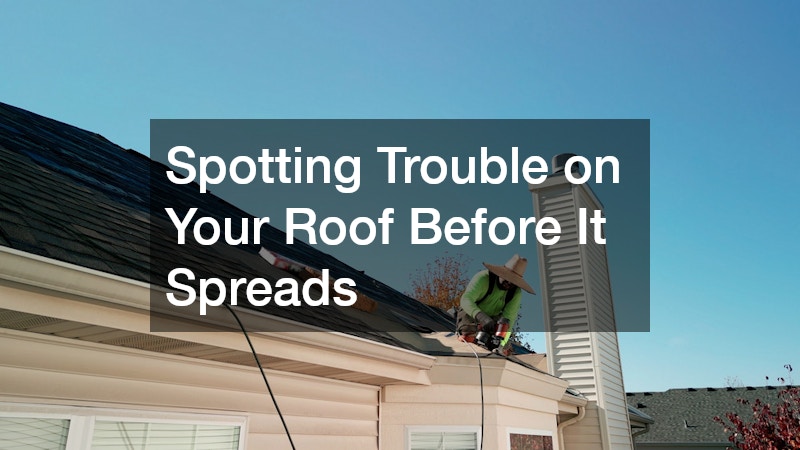
Your roof takes the brunt of sun, wind, hail, and rain year-round, yet most homeowners only look up when there is already a visible leak inside. Missing shingles, granules collecting in gutters, and soft spots on the roof deck are early indicators that the protective barrier is failing. Waiting until water is dripping into your living room means the damage has likely already spread to insulation, drywall, and framing.
A seasonal inspection by experienced roofing contractors can identify weak flashing, aging underlayment, or minor storm damage long before it becomes a structural issue. Many companies that specialize in local roof repair offer free or low-cost inspections, which makes this one of the easiest hidden problems to check on regularly. Scheduling a look-over after major storms is especially important since hail and wind damage is not always visible from the ground.
- Granules collecting in gutters or downspouts
- Curling, cracking, or missing shingles
- Daylight visible through the attic roof boards
- Sagging areas on the roofline
- Water stains on ceilings near exterior walls
When Your Yard Starts Telling a Story
The ground around your home is constantly shifting due to moisture, temperature changes, and soil composition, and these movements can quietly threaten your home’s stability. Bulging or leaning retaining walls are a clear sign that soil pressure or drainage problems are building behind them, and ignoring this can eventually lead to a partial or full collapse. Pooling water near your foundation after every rainstorm is another red flag that grading or drainage has been compromised.
In more serious cases, correcting the slope of a yard or repairing failed drainage systems requires bringing in excavating contractors who can properly regrade the soil and install effective water diversion. This kind of work is far less invasive and costly when it is done proactively rather than after a wall has already failed or water has infiltrated a basement. A quick walk around your property after heavy rain can reveal a lot about how well your land is managing water.
- Visible bulging, leaning, or cracking in retaining walls
- Water pooling near the foundation after rain
- Soil pulling away from the house in a visible gap
- Soggy patches in the yard that never fully dry
- Erosion channels forming on slopes near the home
Electrical Red Flags You Shouldn’t Ignore
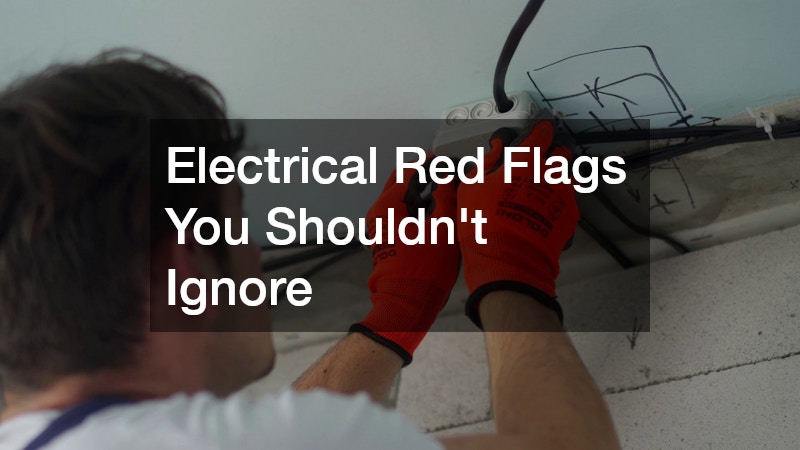
Electrical problems are uniquely dangerous because they can remain hidden inside walls until a fire starts. Flickering lights, warm outlet covers, or breakers that trip repeatedly are all signs that wiring somewhere in the system is under stress. Older homes are especially prone to this since wiring standards and materials have changed significantly over the decades.
A licensed electrician service can perform a whole-home inspection that checks panel capacity, outlet grounding, and wiring condition in areas you cannot easily see yourself. This is particularly important before adding major appliances, a home addition, or an electric vehicle charger, since these all increase demand on a system that may already be near its limit. Addressing small electrical issues now is dramatically cheaper than dealing with fire damage or a full rewiring project later.
- Lights that flicker or dim without an obvious cause
- Warm or discolored outlet and switch covers
- A persistent burning smell with no visible source
- Breakers that trip frequently under normal use
- Buzzing sounds coming from outlets or the electrical panel
Keeping Your Cooling System From Failing at the Worst Time
Nothing turns into an emergency faster than a cooling system that fails during a summer heatwave. Reduced airflow, strange odors, or a unit that runs constantly without reaching the set temperature are early signs that something inside the system is struggling. Ignoring these symptoms often leads to a complete compressor failure, which is one of the most expensive components to replace.
Routine maintenance on your air conditioning system, including filter changes and coil cleaning, can add years to its lifespan and catch small issues before they become total breakdowns. Scheduling a professional tune-up each spring gives technicians a chance to spot refrigerant leaks or worn parts while they are still minor and inexpensive to fix. Homeowners who stay ahead of this maintenance schedule rarely experience a true no-cool emergency.
- Weak or uneven airflow from vents
- Unusual odors when the system first turns on
- Ice forming on the outdoor unit or refrigerant lines
- Rising energy bills without increased usage
- Frequent cycling on and off in short intervals
Garage Door Troubles That Signal Bigger Issues

The garage door is one of the largest moving parts in a home, and small issues often escalate quickly because of the tension and weight involved. A door that reverses unexpectedly, makes grinding noises, or closes unevenly is usually pointing to worn springs, misaligned tracks, or a failing opener motor. These are not just inconvenience issues, since a malfunctioning door can also become a safety hazard for anyone standing nearby.
Scheduling garage door repair at the first sign of trouble is far safer and cheaper than waiting for a spring to snap or a cable to fail completely. Many homeowners do not realize that a garage door is also a major point of entry for pests and weather if the seals or panels are damaged. Regular lubrication and a visual inspection of springs and cables every few months can catch wear before it becomes a full breakdown.
- Door reverses or stalls before fully closing
- Loud grinding, popping, or scraping noises
- Visible rust or fraying on the lift cables
- Uneven movement or one side moving faster than the other
- Increased effort needed to open the door manually
Appliances That Are Trying to Warn You
Major appliances rarely fail without warning, even though it often feels sudden when a refrigerator or washing machine stops working. Strange noises, inconsistent temperatures, or small leaks are common early symptoms that something inside is wearing down. Continuing to run an appliance in this condition can lead to water damage, electrical issues, or even a complete unit failure that could have been avoided.
A refrigerator that cycles on and off more frequently than usual, or one that leaves food slightly warmer than it should be, may be signaling a failing compressor or a worn door seal. Washing machines that shake violently, drain slowly, or leave behind a musty smell often have bearing issues or clogged hoses that will only get worse with time. Water heaters making popping or rumbling sounds are usually dealing with sediment buildup, which reduces efficiency and can eventually crack the tank.
Catching these signals early typically means the difference between a $150 repair and a $1,500 replacement, plus the cost of repairing any water or electrical damage the failure causes along the way.
Scheduling appliance repairs as soon as you notice these symptoms is almost always cheaper than replacing the unit entirely, especially for high-end refrigerators, washers, and dryers. A refrigerator repair might run $200 to $400, while a new comparable unit can easily cost $1,500 or more, making early intervention an easy financial decision. A technician can often identify a failing part, such as a compressor, belt, or heating element, and replace it before it causes secondary damage to your home, like water leaking into subfloors or overheating wires near flammable lint buildup.
Timing matters too: a washer that’s merely off-balance is a quick fix, but one left unaddressed can eventually crack its drum or damage the bearings, turning a $150 repair into a $600 one. Dryers that take multiple cycles to dry clothes are often signaling a clogged vent or failing heating element, both of which are inexpensive to address now but can become fire hazards if ignored for months.
Keeping a simple log of unusual sounds or behaviors can also help a repair technician diagnose the issue faster. Note the date, what you heard or saw (a burning smell, a grinding noise, an error code on the display), and how often it happens. This record not only speeds up the diagnostic process but can also reveal patterns you might otherwise miss, helping you catch the next warning sign before it becomes an expensive emergency.
- Unusual grinding, clicking, or humming noises — often a sign of worn bearings, loose motor mounts, or a failing compressor
- Inconsistent temperatures in refrigerators or ovens, such as food spoiling early or baked goods cooking unevenly
- Small puddles of water near washers or dishwashers, which can point to a cracked hose, failing pump seal, or clogged drain line
- Longer cycle times than usual, like a dishwasher taking an extra 20-30 minutes or a dryer needing two runs to fully dry clothes
- Burning smells during operation, especially a sharp electrical odor versus a faint dusty smell from a rarely-used vent
- Frequent tripped breakers or blown fuses when an appliance starts up
- Visible rust, corrosion, or discoloration around connections and vents
Trees and Landscaping Risks Around Your Home

Mature trees add tremendous value and shade to a property, but they can also become a serious liability if their health declines unnoticed. Dead branches, leaning trunks, or roots visibly lifting nearby pavement are signs that a tree may be structurally unstable. Roots can also grow into underground pipes over time, contributing to the same kind of plumbing issues that lead to costly leaks elsewhere in the home.
Hiring a professional tree service for an annual health assessment is one of the most overlooked forms of preventive home maintenance. Arborists can identify disease, pest infestation, or root damage long before a storm turns a weak tree into a falling hazard. Trimming back branches that hang over the roofline also reduces the risk of debris damage during high winds.
- Large dead or hanging branches
- Trunk leaning more than it used to
- Roots visibly lifting sidewalks, driveways, or foundations
- Fungus growth at the base of the trunk
- Thinning canopy compared to previous seasons
Building a Simple Home Inspection Habit
Most hidden problems are not truly invisible; they are simply overlooked because homeowners do not have a routine for checking on them. Setting aside time each season to walk through the attic, basement, yard, and mechanical rooms can reveal small issues while they are still inexpensive to fix. This does not require any special tools, just a flashlight, a notepad, and a willingness to look closely at areas that are easy to ignore.
Keeping a simple maintenance calendar with reminders for seasonal checks helps ensure nothing slips through the cracks for months at a time. Many of the warning signs covered in this guide take only a few minutes to check but can prevent thousands of dollars in emergency repairs down the road. Building this habit turns home maintenance from a source of stress into a manageable, predictable part of homeownership.
- Walk the attic and basement each season with a flashlight
- Check water bills monthly for unexplained spikes
- Inspect the yard after major storms for drainage issues
- Test smoke detectors and electrical outlets twice a year
- Keep a written log of any unusual sounds, smells, or changes
Conclusion
Hidden problems rarely stay hidden forever, but the cost of discovering them depends entirely on how early you look. By paying attention to the small signs outlined above and building a habit of routine inspection, you can address issues while they are still minor and affordable. The next step is simple: pick one area of your home you have not checked in a while and take fifteen minutes this weekend to look closely. That small investment of time is often all it takes to avoid a major emergency down the road.