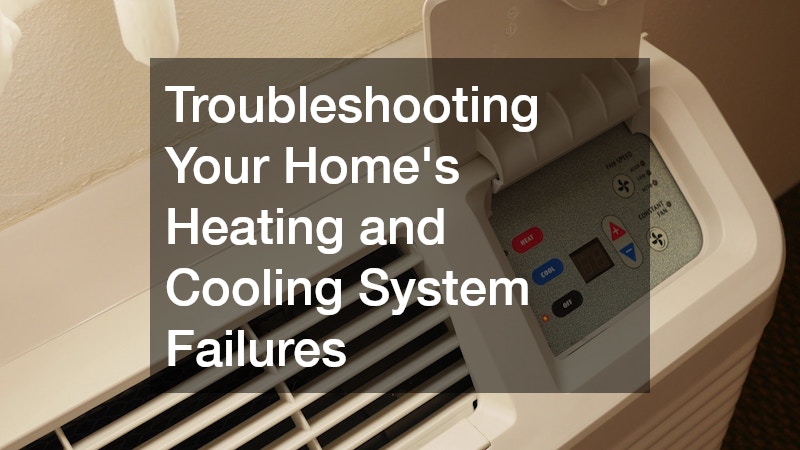
When your furnace stops blowing warm air or your air conditioner starts making strange noises, the discomfort can feel urgent and confusing all at once. Most heating and cooling problems give off warning signs long before a full breakdown occurs, and knowing how to read those signals can save you money and stress. This guide walks through the most common system failures, what they usually mean, and when it makes sense to handle something yourself versus calling in a professional. By the end, you will have a clearer sense of how to diagnose issues and take the right next step for your home.
Recognizing the Warning Signs of a Failing Thermostat
Your thermostat is the command center for your entire heating and cooling system, so when it malfunctions, everything downstream gets affected. A common symptom is a system that cycles on and off too frequently, sometimes called short cycling, which wastes energy and puts extra wear on your equipment. Other times the thermostat display goes blank entirely, or the temperature reading seems wildly inaccurate compared to how the room actually feels.
Before assuming the worst, check the basics like batteries, circuit breakers, and whether the thermostat is level and away from direct sunlight or drafts, since these factors can throw off readings. If you have recently upgraded to a smart thermostat, compatibility issues with older wiring can also cause erratic behavior.
- Replace batteries even if the display seems to be working
- Confirm the thermostat is set to the correct mode, such as heat, cool, or auto
- Check that the circuit breaker for your HVAC system has not tripped
- Clean dust out of the thermostat casing, which can interfere with sensors
Diagnosing Strange Noises Coming From Your Furnace
A furnace that bangs, rattles, or squeals is trying to tell you something, and ignoring these sounds often leads to bigger repair bills down the road. Banging noises frequently point to a delayed ignition, where gas builds up before igniting, which can be a safety concern that warrants prompt attention. Squealing sounds are often linked to a worn blower belt or motor bearing that needs lubrication or replacement.
If your furnace is more than fifteen years old and these noises are becoming frequent, it may be more cost effective to look into furnace installation rather than continuing to patch an aging unit. Older systems also tend to lose efficiency over time, meaning you could be paying more to run a furnace that no longer heats your home as effectively as it once did.
- Banging or popping suggests delayed ignition or dirty burners
- Squealing points to belt or motor bearing issues
- Rattling can mean loose panels or ductwork
- Humming that grows louder over time may indicate motor strain
Understanding Why Your Air Conditioner Blows Warm Air
There are few things more frustrating on a hot day than an air conditioner that runs constantly but only pushes out warm air. This issue is often caused by low refrigerant levels, a dirty air filter restricting airflow, or a malfunctioning compressor. Refrigerant doesn’t get “used up” like fuel—if levels are low, it almost always points to a leak somewhere in the coils or line set that needs professional attention.
A clogged air filter is one of the simplest culprits to check yourself. Filters should typically be replaced every 1-3 months, and a filter caked with dust and pet hair can choke off airflow enough that the evaporator coil freezes over, ultimately causing warm air to blow instead of cold.
The compressor is the heart of your system, responsible for pressurizing refrigerant so it can absorb and release heat properly. When it fails or struggles due to electrical issues, worn bearings, or age, your AC loses its ability to cool effectively, and repairs often require a licensed HVAC technician.
In some cases, the outdoor condenser unit is simply blocked by debris, leaves, or overgrown landscaping, preventing proper heat exchange. Aim to keep at least two feet of clearance around the unit and gently hose off the fins periodically to remove dirt buildup. Ignoring this issue not only reduces cooling performance but can also strain the compressor and shorten your system’s overall lifespan.
If you have checked the filter and cleared the area around the outdoor unit but still notice warm air, the problem is likely mechanical and beyond the scope of DIY fixes. Common culprits include a refrigerant leak, a failing compressor, a faulty thermostat sensor, or a blocked expansion valve—all of which require specialized tools and training to diagnose accurately.
Reaching out to an AC company or one of the many AC repair companies in your area for a diagnostic visit can help pinpoint whether the issue is a simple fix or something more involved. A technician will typically check refrigerant pressure, inspect electrical connections, and test the compressor’s performance, usually within a single visit lasting one to two hours.
If low refrigerant is the issue, expect the technician to search for the source of the leak before sealing it and recharging the system, since simply adding refrigerant without addressing the leak will only lead to a repeat problem within months. Costs can vary widely depending on the complexity of the repair, so it’s worth asking for an upfront estimate and confirming whether the company offers a warranty on parts and labor before work begins.
- Replace or clean the air filter every one to three months; a clogged filter restricts airflow over the evaporator coil, causing it to freeze and blow warm air
- Clear leaves, grass clippings, and debris from around the outdoor condenser unit, keeping at least two feet of clearance on all sides for proper airflow
- Check that the thermostat is set to cool, not fan only, and confirm the set temperature is at least a few degrees below room temperature
- Inspect refrigerant lines for ice buildup or visible leaks, since low refrigerant is a common cause of warm airflow and requires a licensed technician to recharge
- Listen for unusual sounds from the compressor, such as grinding, clicking, or humming, which may signal failure
- Check circuit breakers and disconnect switches near the outdoor unit, as a tripped breaker can leave the fan running while the compressor stays off
Identifying Uneven Heating and Cooling Between Rooms
If some rooms in your home feel like a sauna while others feel like a walk-in cooler, the problem often lies in your ductwork or airflow balance rather than the main unit itself. Leaky or poorly insulated ducts can lose a significant amount of conditioned air before it ever reaches the room, especially in attics, basements, or crawl spaces. Closed or blocked vents, furniture placed over registers, and dirty filters can also contribute to uneven distribution.
Homes with additions or multiple stories are especially prone to this problem, since a single system may struggle to serve spaces that were not part of the original design. In these cases, homeowners sometimes explore zoning systems or supplemental units to even things out, which is a conversation worth having with a qualified technician during your next service visit.
- Inspect visible ductwork for gaps, disconnections, or crushed sections
- Make sure furniture and rugs are not blocking vents or return air grilles
- Check that all vents are open, even in unused rooms, to maintain airflow balance
- Consider a professional duct inspection if the problem persists after basic checks
Troubleshooting a Heat Pump That Struggles in Cold Weather
Heat pumps are efficient and popular, but they can struggle to keep up when outdoor temperatures drop into the single digits or below, especially older or improperly sized units. If your heat pump seems to run constantly without adequately warming your home, it may be undersized for your square footage or losing efficiency due to age. Ice buildup on the outdoor unit is normal to a degree, but excessive frost that does not clear during the defrost cycle can indicate a mechanical problem.
For homeowners in colder climates who are frustrated with performance, it may be worth researching heat pump installation options that are specifically rated for low ambient temperatures, since not all models perform the same in harsh winters. A properly sized and rated unit can make a noticeable difference in comfort and energy bills during the coldest months of the year.
- Check for excessive ice buildup that does not clear during defrost cycles
- Confirm the unit is rated for your regional climate zone
- Have refrigerant levels checked if heating output feels weak
- Ask about backup heat strips or auxiliary heat settings for extreme cold
Evaluating Fuel Delivery Problems in Oil and Propane Systems
Homes that rely on tank-based fuel systems face a unique set of troubleshooting challenges compared to those on natural gas or electric systems. If your furnace or boiler suddenly stops producing heat, one of the first things to check is your fuel level, since running out of heating oil is a surprisingly common and avoidable cause of no-heat emergencies. Sludge buildup in oil tanks over time can also clog filters and lines, reducing flow to the burner.
Homes using propane face similar concerns, including the possibility of a tripped regulator or a tank that has run low without the homeowner noticing, especially during a particularly cold stretch of weather. Both fuel types benefit from routine tank monitoring and scheduling deliveries before supply runs critically low, since emergency same-day fills are not always guaranteed depending on your provider and the weather.
- Check fuel gauges regularly during high-usage winter months
- Schedule deliveries proactively rather than waiting for a low-level alert
- Have tanks and lines inspected annually for leaks or corrosion
- Know the location of your shutoff valve in case of an emergency
Assessing Airflow Restrictions From Dirty Filters and Coils
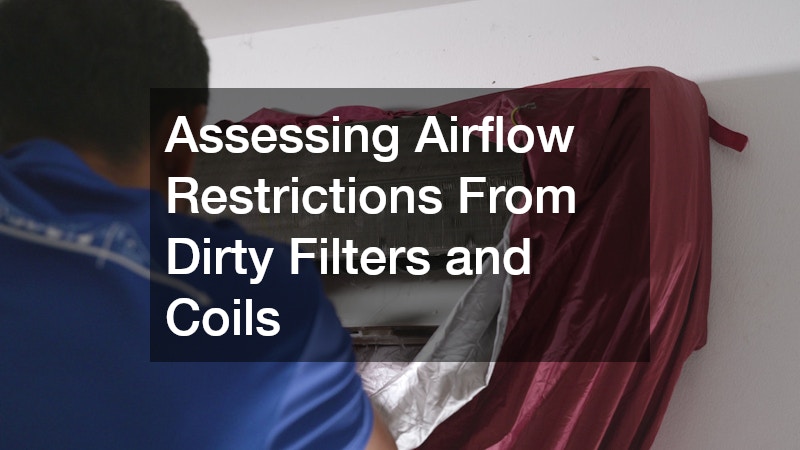
One of the most overlooked causes of system failure is something entirely within a homeowner’s control: dirty filters and coils. A clogged air filter restricts airflow, forcing your system to work harder and often leading to frozen evaporator coils or an overheated furnace limit switch. Dirty condenser coils outside can also reduce your air conditioner’s ability to release heat, making the whole system less efficient and more prone to breakdowns.
Regular cleaning and filter changes are inexpensive habits that prevent a large percentage of common heating and cooling complaints. Many of the AC companies technicians encounter on service calls report that a simple filter change would have prevented the issue that prompted the visit in the first place.
- Change filters every one to three months depending on household factors like pets
- Gently rinse outdoor condenser coils with a garden hose when visibly dirty
- Keep at least two feet of clearance around outdoor units for airflow
- Schedule a coil cleaning as part of annual maintenance visits
Deciding When to Call a Professional Versus DIY Fixes
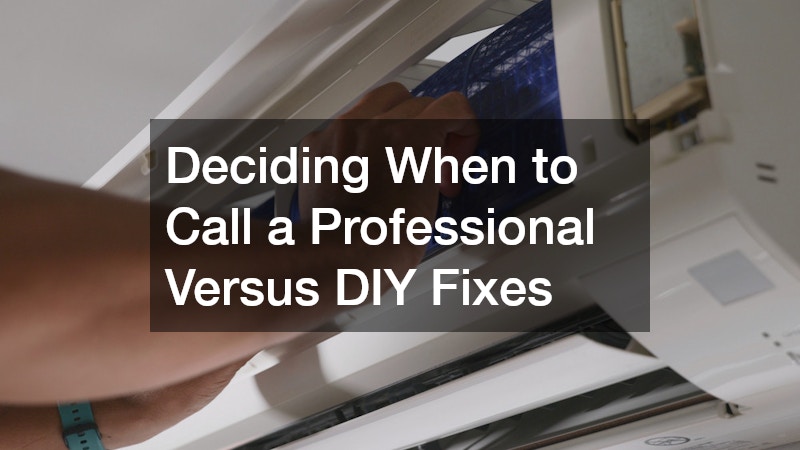
Some heating and cooling issues are simple enough for homeowners to handle, like changing a filter or resetting a breaker, but others involve electrical components, refrigerant, or gas lines that require specialized training and equipment. Attempting to fix these yourself can void warranties, create safety hazards, or make the underlying problem worse. Knowing where that line falls is one of the most valuable things a homeowner can learn.
When in doubt, scheduling professional HVAC repair is almost always the safer and more cost-effective choice in the long run, particularly for anything involving refrigerant, electrical wiring, or combustion systems. A trained technician can also spot secondary issues you might miss, catching small problems before they turn into expensive emergencies.
- DIY-friendly tasks include filter changes, clearing debris, and battery replacement
- Leave refrigerant handling, electrical repairs, and gas line work to professionals
- Unusual smells, especially burning or rotten egg odors, warrant immediate professional attention
- A system under warranty may require professional service to remain valid
Choosing the Right Provider for Ongoing System Maintenance
 Not all service providers offer the same level of expertise, availability, or pricing transparency, so it pays to do some research before you are stuck in an emergency situation. Reading reviews, asking about licensing and insurance, and getting written estimates can help you avoid unpleasant surprises. Many reputable AC services also offer maintenance plans that include seasonal tune-ups, which can catch small issues before they become costly failures.
It is also worth asking providers directly about their experience with heating repair for your specific system type, whether that is a furnace, boiler, or heat pump, since not every technician has equal experience across all equipment. A provider who is upfront about pricing, warranties, and response times is generally a good sign of a trustworthy long-term partner for your home.
- Ask for proof of licensing, insurance, and manufacturer certifications
- Request references or read recent customer reviews
- Compare maintenance plan offerings, including seasonal inspections
- Get a written estimate before agreeing to any major repair or replacement
Heating and cooling problems rarely appear out of nowhere, and learning to recognize the early warning signs puts you in a much stronger position to act quickly and confidently. Simple maintenance tasks like changing filters and monitoring fuel levels go a long way, but knowing when to bring in a professional is just as important for your comfort and safety. Take a walk through your home today, check your system for any of the symptoms discussed here, and schedule a maintenance visit if it has been a while since your last one. A little attention now can prevent a much bigger headache when the weather turns extreme.