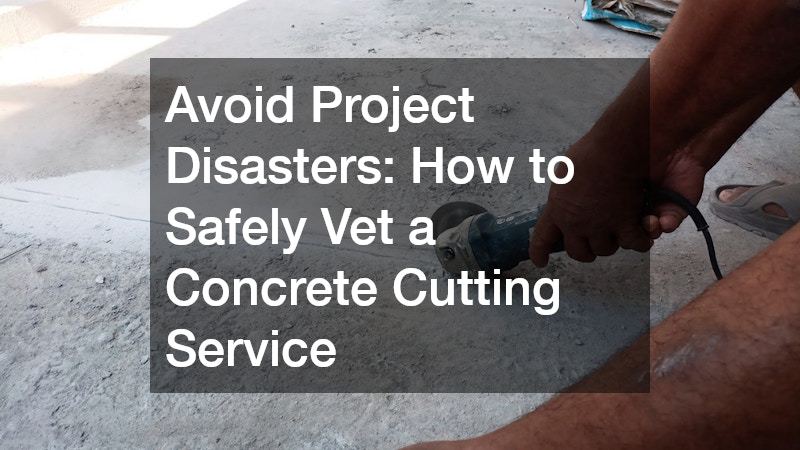
In modern construction and structural renovation, concrete cutting is a precision trade that leaves zero room for error. Whether you are creating utility penetrations, removing slab sections, or executing structural modifications, improper techniques can undermine structural integrity, damage underlying utilities, cause severe jobsite injuries, or result in catastrophic project overruns.
Safely vetting a concrete cutting contractor before signing agreements is an essential risk-management step. A rigorous evaluation process verifies that a service provider possesses the legal standing, technical expertise, safety culture, and financial capacity required to execute complex cutting tasks safely and efficiently.
Key Qualifications of a Professional Concrete Cutting Service
-
Licensing and Regulatory Compliance: Confirm that the contractor holds an active specialty trade license for concrete cutting and coring. Legitimate licensing verifies compliance with municipal building codes, state trade regulations, and environmental disposal standards.
-
OSHA Recognition and Safety Certifications: Inspect credentials indicating that field technicians have completed formal Occupational Safety and Health Administration (OSHA) 10-Hour or 30-Hour training. Specialty certifications from organizations like the Concrete Sawing and Drilling Association (CSDA) demonstrate mastery of advanced cutting methodologies.
-
Industry Experience and Specialized Training: Concrete cutting involves diverse techniques—including slab sawing, wall sawing, wire sawing, and core drilling. Verify that technicians receive continuous, hands-on training for high-performance diamond tooling, hydraulic equipment, and heavy machinery operation.
How to Evaluate On-Site Safety Protocols and Risk Management
-
Comprehensive Jobsite Safety Plans: Review the contractor’s written safety manual, including Lockout/Tagout (LOTO) procedures, respiratory protection programs, and emergency response protocols tailored to high-hazard work environments.
-
Mandatory Personal Protective Equipment (PPE): Ensure field crews are fully equipped with job-specific PPE, including OSHA-compliant respiratory protection (such as HEPA-filtered respirators or wet-cutting dust-suppression systems for crystalline silica), hearing protection, impact-resistant eye gear, and high-visibility clothing.
-
Pre-Work Risk Assessment and Utility Locating: A reliable cutting service must perform thorough pre-cut site inspections. This includes verifying that Ground-Penetrating Radar (GPR) concrete scanning is utilized to map embedded rebar, post-tension cables, conduit, and utility lines prior to executing any cuts.
What to Expect in a Realistic Project Timeline
-
Detailed Initial Consultations: Early discussions should establish explicit project parameters—including slab thickness, concrete compressive strength (PSI), site access restrictions, power availability (e.g., 480V 3-phase vs. gas/diesel power), and slurry containment expectations.
-
Accurate Service Timeframes: Simple core drilling may require only a few hours, whereas heavy structural wire sawing or deep slab trenching can span several days. The contractor should provide itemized labor-hour estimates based on physical job parameters rather than vague generalities.
-
Contingency and Continuity Planning: Unforeseen site conditions—such as encountering unexpectedly dense rebar, high-PSI concrete, or water supply interruptions—can disrupt schedules. A seasoned contractor builds realistic buffer time into their proposal and maintains contingency equipment to handle unexpected site friction without halting progress.
How to Verify Credibility and Past Performance
-
Direct Client References and Testimonials: Request a list of recently completed projects of similar scope and technical complexity. Contact past general contractors or facility managers directly to inquire about the service’s punctuality, site cleanliness, equipment reliability, and problem-solving abilities.
-
Third-Party Reviews and Reputation: Analyze feedback on independent review platforms and industry trade groups. Look for consistent operational patterns regarding communication transparency, contract compliance, and crew professionalism.
-
Case Studies and Project Portfolios: Examine documented case studies detailing past complex projects. High-quality documentation illustrates how the contractor solved difficult engineering challenges, managed slurry disposal cleanly, and safely met tight deadlines.
Essential Contractual Elements and Financial Protections
-
Comprehensive Insurance Coverage: Demand a formal Certificate of Insurance (COI) issued directly from the contractor’s insurance provider. Verify active Commercial General Liability, Commercial Auto, and Workers’ Compensation coverage with appropriate policy limits.
-
Itemized Pricing and Scope Breakdown: Ensure the contract clearly delineates the complete scope of work—including linear footage of cutting, core diameter and depth, equipment power requirements, and explicit responsibilities for concrete debris removal and slurry containment/disposal.
-
Lien Waivers and Payment Schedules: Structure payments based on verified project milestones rather than large upfront cash demands. Require partial and final lien waivers from the contractor and any sub-tier suppliers upon payment to protect your property against future financial mechanics’ liens.
Vetting a concrete cutting service is a vital pre-construction step that prevents jobsite accidents, structural failures, and costly project delays. By systematically verifying professional licenses, inspecting safety protocols, evaluating equipment capabilities, checking client references, and securing comprehensive contractual terms, project owners and general contractors can select a reliable trade partner with complete confidence. Prioritizing thorough pre-qualification over low-bid selection guarantees that your concrete cutting tasks are executed safely, precisely, and within budget.
Related Posts
How to Fix a Main Line Clog at Home
One major source of frustration when it comes to plumbing is main line clogs. These clogs occur when materials such…

How to Find Reliable Plumbers
When facing plumbing issues, finding trustworthy plumbers is crucial. Hiring the best means you’ll face fewer problems in the future.…

How Heating and Air Conditioning Systems Work
Heating and air conditioning systems are essential for maintaining comfortable indoor environments year-round. These systems regulate temperature, humidity, and air…