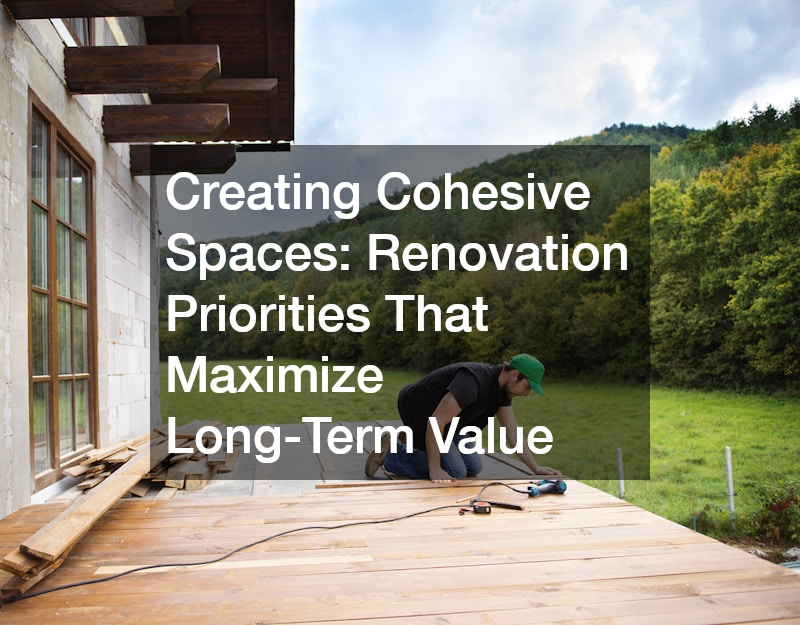
Renovating a home is exciting, but without a clear strategy, it is easy to spend money on updates that look great individually yet feel disconnected from the rest of the property. Homeowners often ask which projects actually pay off, and the answer usually comes down to cohesion rather than isolated upgrades. This guide walks through the renovation priorities that protect your investment, improve everyday livability, and create a home that feels intentional from the curb to the backyard.
Whether you are planning a single project or a multi-year renovation timeline, understanding how these pieces fit together will help you make smarter, longer-lasting decisions.
Start With a Whole Home Vision Before Picking Projects
Before hiring anyone or picking out finishes, take time to map out how your home should function and feel five or ten years from now. Consider how your family’s needs might shift—kids growing into teenagers, aging parents moving in, or a home office becoming permanent—and let that vision guide which spaces deserve investment first. Many homeowners jump straight into a kitchen remodel or new flooring without considering how those choices interact with the roof, exterior, and outdoor spaces surrounding them.
A cohesive plan does not mean doing everything at once; it means sequencing projects so each one supports the next instead of creating mismatched styles or wasted labor. For example, replacing windows before repainting the exterior prevents having to redo trim work twice, and finalizing a flooring material before remodeling the kitchen ensures consistent transitions between rooms. Skipping this sequencing is one of the most common reasons homeowners end up paying contractors twice for work that could have been coordinated the first time.
Think of your home as a system where structural priorities come first, followed by comfort and aesthetic layers. Roofing, foundation, electrical, and plumbing should be addressed before insulation or HVAC upgrades, since those systems depend on a sound structure to perform efficiently. Only after these fundamentals are secure should you move into comfort-driven projects like kitchen layouts, bathroom updates, or built-in storage.
Finally, aesthetic choices—paint colors, hardware finishes, lighting fixtures—should tie the whole home together rather than being decided room by room in isolation. A simple way to test cohesion is to ask whether a material or color choice in one room would look intentional if viewed from an adjoining space. Homes that follow this layered approach tend to hold their value better, since future buyers notice when upgrades feel deliberate rather than piecemeal.
Creating a simple priority list based on age, condition, and impact helps prevent decision fatigue later. Start by walking the property with a checklist: roof age and flashing condition, foundation cracks or settling, window seals, and insulation levels in the attic and crawlspace. Most asphalt shingle roofs last 20-25 years, while foundations and structural framing can last a century if moisture is properly managed, so knowing where each system falls in that lifecycle tells you what deserves attention first.
Structural elements like the roof, foundation, and exterior envelope should almost always come before cosmetic upgrades, since water damage or drafts can undo the benefits of interior renovations. A $30,000 kitchen remodel means little if a slow roof leak is rotting the framing above it, and new hardwood floors won’t survive a foundation that’s still shifting. Grading and drainage issues are especially easy to overlook, yet they’re often the root cause of basement moisture that later shows up as mold or cracked drywall.
Once the bones of the house are solid, you can layer in kitchens, outdoor living areas, and finishing touches with confidence that they will last. This is also the point where sequencing pays off financially: tackling plumbing and electrical upgrades before a kitchen remodel, for instance, avoids the cost of tearing out new finishes later. Treating structure and systems as phase one, and lifestyle and aesthetic upgrades as phase two, keeps the renovation budget working toward value that actually holds up over time.
Protecting the Structure With Roof Priorities

The roof is arguably the single most important system protecting everything you invest in afterward, which is why it deserves top priority in any renovation plan. Even a beautifully renovated interior can be compromised by a slow leak that goes unnoticed for months, leading to mold, rotted framing, and ruined insulation. Experienced roofing contractors can assess the current condition of your roof, identify weak points around flashing and vents, and recommend whether a full replacement or targeted roof repair makes more financial sense. Getting a professional inspection before starting other renovations can save you from tearing into freshly finished ceilings or walls later.
- Schedule a roof inspection every one to two years, especially after severe storms
- Address minor roof repair issues quickly before they turn into structural damage
- Compare quotes from multiple roofing contractors to understand material and labor costs
- Ask about warranty coverage on both materials and workmanship
- Consider roof age when planning the timeline for other major renovations
Sealing the Building Envelope With Windows and Siding
Once the roof is addressed, attention typically shifts to the exterior walls and windows, which together form the building envelope that keeps conditioned air inside and moisture outside. Older single-pane windows are notorious for energy loss, and a well-planned window replacement project can noticeably reduce heating and cooling bills while improving comfort near exterior walls. Beyond energy savings, updated windows also enhance curb appeal and can be selected in styles that match your home’s architecture rather than looking like an obvious retrofit.
Siding plays a similar dual role of protection and appearance, and many homeowners choose to tackle it around the same time as window upgrades since both involve exterior work. Reputable vinyl siding companies can offer a range of colors, textures, and insulation-backed panels that improve both efficiency and resale appeal. Coordinating window and siding projects together often reduces disruption to landscaping and driveways, since scaffolding and material staging can be shared across both jobs.
- Look for double or triple pane windows with low-E coatings for better efficiency
- Ask vinyl siding companies about insulated panel options for added R-value
- Match trim and window color schemes to maintain a cohesive exterior look
- Confirm proper flashing and moisture barriers are installed during siding work
Reimagining the Kitchen as the Home’s Central Hub
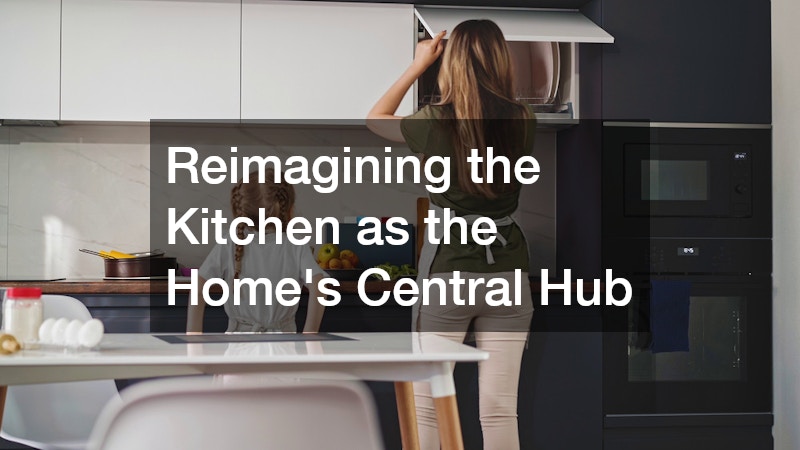
The kitchen consistently ranks among the most valuable renovation targets because it is used daily and heavily influences how buyers perceive a home’s overall condition. Installing new kitchen cabinets is one of the most impactful changes you can make, since cabinetry affects both storage function and the overall visual tone of the space. Rather than chasing short-lived trends, choosing timeless cabinet styles and durable finishes ensures the kitchen continues to feel current well beyond the renovation date.
Layout matters just as much as materials when planning kitchen updates. A well-designed kitchen should support natural movement between the sink, stove, and refrigerator while offering enough counter space for daily tasks. Pairing new kitchen cabinets with updated lighting and hardware can transform the room without requiring a full structural overhaul, making it a flexible project for varying budgets.
- Choose cabinet materials rated for kitchen humidity and daily wear
- Prioritize functional storage like pull-out shelves and deep drawers
- Keep a consistent color palette between cabinets, counters, and flooring
- Consider soft-close hinges and drawers for long-term durability
Extending Living Space Into the Yard
Homeowners increasingly recognize that renovation value does not stop at the exterior walls, which is why outdoor living spaces have become a major renovation priority in recent years. A well-planned patio, covered porch, or outdoor kitchen effectively adds usable square footage without the cost of a full home addition. These spaces work best when they feel like a natural extension of the interior, using similar color tones, materials, and flow so the transition between indoors and outdoors feels seamless.
Good outdoor living design also considers practical details like shade, privacy, and weather protection so the space gets used throughout most of the year rather than only a few months. Combining hardscaping with thoughtful landscape design creates layers of interest, from defined seating areas to pathways that guide movement through the yard. Even modest additions like a fire pit or pergola can significantly increase how often a family gathers outside.
- Choose durable, weather-resistant materials for outdoor furniture and flooring
- Incorporate shade structures to extend usable hours during hot months
- Use landscape design to create privacy screening between neighboring properties
- Add lighting to make outdoor living spaces functional after sunset
Designing a Landscape That Complements the Architecture

Landscaping is often treated as an afterthought, but thoughtful planning here can dramatically increase how cohesive a property feels overall. Rather than randomly placing plants, effective landscape design considers sightlines from inside the home, seasonal color changes, and how greenery frames architectural features like windows or entryways. Native plants are frequently recommended because they require less water and maintenance while still providing strong visual impact throughout the year.
Beyond plant selection, grading and drainage are critical technical details that many homeowners overlook. Poor drainage can lead to water pooling near the foundation, undoing the benefits of roof and siding upgrades discussed earlier. Working with a professional to plan slopes, French drains, or dry creek beds ensures water moves away from the home rather than causing long-term structural issues.
- Group plants by water needs to simplify irrigation and maintenance
- Use layered planting heights to add depth and visual interest
- Plan pathways that connect naturally to entryways and outdoor living areas
- Address drainage issues before installing new plant beds or hardscaping
Upgrading the Driveway for Function and Curb Appeal
The driveway is one of the first things visitors and potential buyers notice, yet it is often neglected until cracks and potholes become impossible to ignore. Professional driveway paving can dramatically improve both the functional lifespan and visual appeal of this high-traffic area, especially when paired with proper base preparation. Choosing the right material, whether asphalt, concrete, or pavers, depends on climate, budget, and how much maintenance you are willing to commit to over time.
A newly paved driveway also complements other exterior updates like siding and landscaping, tying the entire front-facing appearance of the home together. Cracked or uneven surfaces can undermine even the most beautifully renovated exterior, making driveway condition an important piece of the cohesive design puzzle. Scheduling driveway paving work during drier months typically produces the most durable, long-lasting results.
- Compare asphalt, concrete, and paver options based on local climate conditions
- Ensure proper base compaction before any surface material is applied
- Plan for periodic sealing to extend the lifespan of a paved driveway
- Coordinate driveway timing with landscaping to avoid damaging new plantings
Keeping Indoor Comfort Systems Reliable Year-Round

While visible renovations tend to get the most attention, mechanical systems quietly determine whether a home is actually comfortable to live in. A malfunctioning furnace or inconsistent heating can make even the most beautifully renovated space feel unpleasant during colder months. Establishing a relationship with a trusted heater repair company before problems arise means faster response times and fewer emergency situations when temperatures drop unexpectedly.
Routine maintenance is far less expensive than emergency repairs or full system replacement, making annual checkups a smart long-term investment. A qualified heater repair company can identify worn parts, inefficient components, or ventilation issues before they escalate into costly breakdowns. Keeping these systems in good working order also protects the value of other renovations, since consistent temperature and humidity control prevents damage to new cabinetry, flooring, and finishes.
- Schedule annual furnace inspections before the start of each heating season
- Replace air filters regularly to maintain efficiency and air quality
- Address unusual noises or uneven heating promptly rather than waiting
- Ask about maintenance plans that include priority scheduling during peak season
Ensuring Safe and Reliable Water for Daily Living
Water quality is an often-overlooked factor in overall home value and daily comfort, yet it directly affects health, taste, and even the lifespan of plumbing fixtures. For homes relying on well water or dealing with inconsistent municipal supply, portable water purification systems offer a flexible way to ensure clean drinking water without major plumbing overhauls. These systems range from simple countertop units to more comprehensive whole-home filtration setups, depending on household needs and budget.
Considering water quality alongside other renovations makes sense because clean water protects newly installed appliances, fixtures, and plumbing from mineral buildup and corrosion. Investing in portable water purification systems can be particularly valuable for households in areas with hard water or occasional supply disruptions, since they provide a reliable backup without requiring permanent installation. This kind of practical upgrade may not be as visible as a kitchen remodel, but it contributes meaningfully to long-term comfort and property value.
- Test your water quality to determine which type of purification system is appropriate
- Consider portable water purification systems for backup during outages or travel
- Replace filters on schedule to maintain effective purification performance
- Factor water hardness into decisions about new appliances and fixtures
Building a truly cohesive home comes down to sequencing decisions wisely, starting with structural protection and working outward toward comfort and aesthetics. When roofing, exteriors, kitchens, outdoor spaces, and mechanical systems are all considered together rather than in isolation, the result is a property that feels unified and holds its value over time. Start by identifying which systems in your home are aging or underperforming, then build a realistic timeline that addresses those priorities first. Taking this structured approach will help you avoid costly missteps and create a home you can enjoy fully for years to come.